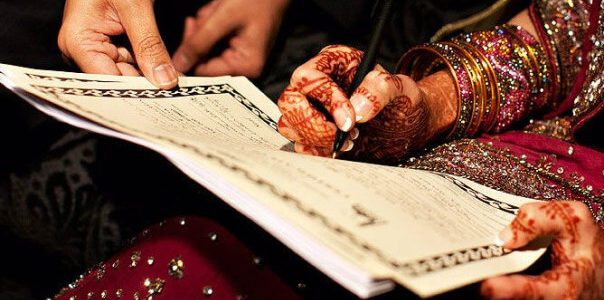
Does transferring the Deeds of property onto someone else’s name make them the property owner?

18th December 2017


السلام عليكم و رحمة الله و بركاته

Question: Many people nowadays when purchasing a property, they put their next of kin’s name onto that property. This is done usually for specific reasons but the original buyer still maintains all financial responsibilities towards the property.  For instance, my father purchased a land with a property back home and transferred them both onto his wife’s (my mother’s) name for tax evasion purposes. My mother only bears her name on the land and property but my father is the one who still maintains the property and deals will all financial expenditure and income such as rent.  My question is Islamically, who is considered the owner of the land and property and if one dies before the other then in whose estate will the land and property fall under?


الجواب حامداً و مصلياً

In the name of Allāh, the Most Gracious, the Most Merciful


Answer

As a general rule, proprietorship (full-ownership) is established through transferal of a property [or asset] onto someone else with the intention of ownership. This is known as Hiba (gift) in Islām. This is usually indicated through the donor’s words such as, I’ve gifted this to you, I’ve made you the owner of this, this belongs to you now etc.[1] Such statements or similar to them indicate to relinquishing his rights over that asset for someone else.[2] This simply means the recipient now has full control over the asset and the donor no longer has anything to do with it.

In reference to your particular case, merely transferring name of land & property to next of kin is insufficient and doesn’t make them the proprietor Islamically unless the intention of transferring complete ownership or gift is present as explained above.[3] Your father transferring them both onto your mother’s name solely for tax evasion is an indication that he has not made her the sole owner. Therefore, your father still reserves all rights over the property and land and both will be included in his estate after his death regardless of whoever dies first from your parents.


[Allãh Knows Best]


Written by (Mufti) Abdul Waheed

Answer Attested by Shaykh Mufti Saiful Islam

JKN Fatawa Department


[1] Badai Sanai Kitābul Hiba, Ruknul Hiba, vol 8, p. 86-7

فَالْإِيجَابُ هُوَ أَنْ يَقُولَ الْوَاهِبُ وَهَبْتُ هَذَا الشَّيْءَ لَكَ أَوْ مَلَّكْتُهُ مِنْكَ أَوْ جَعَلْتُهُ لَكَ أَوْ هُوَ لَكَ أَوْ أَعْطَيْتُهُ أَوْ نَحَلْتُهُ أَوْ أَهْدَيْتُهُ إلَيْكَ أَوْ أَطْعَمْتُكَ هَذَا الطَّعَامَ أَوْ حَمَلْتُكَ عَلَى هَذِهِ الدَّابَّةِ وَنَوَى بِهِ الْهِبَةَ.


[2] Fatawa Hindiyyah, Kitābul Hiba, Bābul Awwal Tafseerul Hiba wa ruknuha., vol 4, p. 418

وَهِيَ نَوْعَانِ: تَمْلِيكٌ وَإِسْقَاطٌ وَعَلَيْهِمَا الْإِجْمَاعُ، كَذَا فِي خِزَانَةِ الْمُفْتِينَ.

[3] Durr wa Ibn Ābideen Shami p. 689 vol 5 – Shamila

(وَتَصِحُّ بِإِيجَابٍ كَ وَهَبْت وَنَحَلْت وَأَطْعَمْتُك هَذَا الطَّعَامَ وَلَوْ) ذَلِكَ (عَلَى وَجْهِ الْمِزَاحِ) بِخِلَافِ أَطْعَمْتُك أَرْضِي فَإِنَّهُ عَارِيَّةٌ لِرَقَبَتِهَا وَإِطْعَامٌ لِغَلَّتِهَا بَحْرٌ (أَوْ الْإِضَافَةِ إلَى مَا) أَيْ إلَى جُزْءٍ (يُعَبَّرُ بِهِ عَنْ الْكُلِّ كَ وَهَبْت لَك فَرْجَهَا وَجَعَلْته لَك) لِأَنَّ اللَّامَ لِلتَّمْلِيكِ بِخِلَافِ جَعَلْته بِاسْمِك فَإِنَّهُ لَيْسَ بِهِبَةٍ

(وَقَوْلُهُ: بِخِلَافِ جَعَلْته بِاسْمِك) قَالَ فِي الْبَحْرِ: قُيِّدَ بِقَوْلِهِ: لَكَ؛ لِأَنَّهُ لَوْ قَالَ: جَعَلْته بِاسْمِك، لَا يَكُونُ هِبَةً؛ وَلِهَذَا قَالَ فِي الْخُلَاصَةِ: لَوْ غَرَسَ لِابْنِهِ كَرْمًا إنْ قَالَ: جَعَلْته لِابْنِي، يَكُونُ هِبَةً، وَإِنْ قَالَ: بِاسْمِ ابْنِي، لَا يَكُونُ هِبَةً، وَلَوْ قَالَ: أَغْرِسُ بِاسْمِ ابْنِي، فَالْأَمْرُ مُتَرَدِّدٌ، وَهُوَ إلَى الصِّحَّةِ أَقْرَبُ اهـ.

وَفِي الْمَتْنِ مِنْ الْخَانِيَّةِ بَعْدَ هَذَا قَالَ: جَعَلْته لِابْنِي فُلَانٍ، يَكُونُ هِبَةً؛ لِأَنَّ الْجَعْلَ عِبَارَةٌ عَنْ التَّمْلِيكِ، وَإِنْ قَالَ: أَغْرِسُ بِاسْمِ ابْنِي، لَا يَكُونُ هِبَةً، وَإِنْ قَالَ: جَعَلْته بِاسْمِ ابْنِي، يَكُونُ هِبَةً؛ لِأَنَّ النَّاسَ يُرِيدُونَ بِهِ التَّمْلِيكَ وَالْهِبَةَ اهـ.


Eyebrow Pencil

Question. Are we allowed to use eyebrow pencil and fill in our eyebrows ie. Colour them in to make them stand out and be darker?

الجواب حامداً و مصلياً

In the name of Allāh, the Most Gracious, the Most Merciful

Answer

To make them stand out in order to attract one’s husband is permissible. However, where there is likelihood of it drawing the attention of non-mahrams would then render it as impermissible.

 [Allãh Knows Best]

Written by (Mufti) Abdul Waheed

Answer Attested by Shaykh Mufti Saiful Islam

JKN Fatawa Department

Islamic Ruling on Games

25th November 2017

السلام عليكم و رحمة الله و بركاته

Question: In the Hanafi madhab is permissible to engage in sports to pass time, or for leisure? Providing the satr is covered, deeni responsibilities are fulfilled, and it’s not paid for money?  “Every game a person plays is futile except for archery, training one’s horse and playing with one’s wife.” (Sunan Tirmidhi, Musnad Ahmad, Sunan Ibn Majah)


الجواب حامداً و مصلياً

In the name of Allāh, the Most Gracious, the Most Merciful


Answer

In reference to your query, there are various types of games with each one having specific rulings. There are permitted forms of games as well as prohibited forms. Prohibited games are those that either Islam clearly forbidden e.g. modern-day gambling machines, chess (according to the Hanafi Madhab only) or those games that intrinsically corrupt the spiritual heart. Those games that Islam does not clearly forbid nor intrinsically corrupt the spiritual heart are all permitted provided that they do not cause one neglectful of Allāh’s remembrance and obligations towards Him such as Salāh, do not involve imitation of other nations in those practices which the Shari’ah clearly forbids, doesn’t involve nor display what the Shari’ah prohibits to look at and nor are they generally detrimental to one’s physical and mental well being. Such games must be of those that procure physical and mental benefit for the individual. As for the Hadeeth you mentioned, it is not to rule out other games besides them as Harām (if the above conditions are complied with) but to guarantee that these activities outlined in the Hadeeth are beneficial, productive and rewarding with the right intention.


[Allãh Knows Best]


Written by (Mufti) Abdul Waheed

Answer Attested by Shaykh Mufti Saiful Islam

JKN Fatawa Department

Estate Distribution Between a Wife, Four Sons and Four Daughters

2nd November 2017

السلام عليكم و رحمة الله و بركاته

Question: My father passed away leaving behind his wife (my mother), 4 sons and 4 daughters (siblings). He has left behind £18,170 as his estate. Kindly inform us of the Shari’ee method of estate distribution between his beneficiaries.

الجواب حامداً و مصلياً

In the name of Allāh, the Most Gracious, the Most Merciful


Answer

In reference to your case scenario, if the above amount remained after fulfilling all funeral expenses, clearing all outstanding debts and executing one-third of your father’s Will (that is only if he made one) then the above estate will be distributed as below.


Calculation

Total estate to be divided by 96 parts;

£18,170 / 96 =189.270

Wife: 12 (1/8th)

Remainder 84 parts to be shared out by 12 dividends between his children, each son inheriting double the share of a daughter.

See Table Below:


Beneficiaries Share Total Amount in Cash
Wife 1/8th 12 parts of 96 12 x 189.270 = £2,271.25
  Remainder 84 to be divided by 12 parts between children – son inheriting double the share of a daughter.
Son 1 14 14 x 189.270 = £2649.79
Son 2 14 14 x 189.270 = £2649.79
Son 3 14 14 x 189.270 = £2649.79
Son 4 14 14 x 189.270 = £2649.79
Daughter 1 7 7 x 189.270 = £1324.90
Daughter 2 7 7 x 189.270 = £1324.90
Daughter 3 7 7 x 189.270 = £1324.90
Daughter 4 7 7 x 189.270 = £1324.90
Total 84 £18,170:00


[Allãh Knows Best]


Written by (Mufti) Abdul Waheed

Answer Attested by Shaykh Mufti Saiful Islam

JKN Fatawa Department

Divorce in the state of Epileptic Fit

Divorce in the state of Epileptic Fit

11th October 2017

السلام عليكم و رحمة الله و بركاته

Question: What is the ruling if a man divorces his wife due to the effect of black magic or epilepsy?

الجواب حامداً و مصلياً

In the name of Allāh, the Most Gracious, the Most Merciful


Answer

In the Shari’ah, Talāq takes into effect if the husband pronounced it while he was mentally stable. This means that he was fully conscious of his surroundings and knew exactly what he was uttering at the time irrespective of whether he was angry or not. In order to determine the effectiveness of divorce, we must resort to the rules of junoon (mentally insane). The Fuqaha describe junoon as the seizure of the faculty of aql (rationale) whereby one is unable to distinguish between right from wrong and starts to behave abnormally. Junoon occurs either due to a natural calamity that struck him removing his mind from its stability state or the overpowering of a Jinn inciting him to utter corrupt words (including divorce).[1] Such a person becomes totally unaware of what he did or said during that moment.

In your particular case, whether doctors describe it as epileptic fit or the Āmils consider it to be the effect of black magic, Talāq will not take into effect if he was in the state of junoon as described above. This is determined when upon questioning him, he genuinely cannot recall his past actions and what he said at the time.


[Allãh Knows Best]


Written by (Mufti) Abdul Waheed

Answer Attested by Shaykh Mufti Saiful Islam

JKN Fatawa Department

[1] Bahr Raiq Nawaqizul Wudhu, p. 76 vol 1

وَأَمَّا الْجُنُونُ فَهُوَ زَوَالُ الْعَقْلِ وَنَقْضُهُ ظَاهِرٌ بِاعْتِبَارِ عَدَمِ مُبَالَاتِهِ وَتَمْيِيزِ الْحَدَثِ مِنْ غَيْرِهِ وَعَلَّلَهُ بَعْضُ الْمَشَايِخِ بِغَلَبَةِ الِاسْتِرْخَاءِ وَرُدَّ بِأَنَّ الْمَجْنُونَ قَدْ يَكُونُ أَقْوَى مِنْ الصَّحِيحِ فَالْأَوْلَى مَا قُلْنَاهُ كَذَا فِي الْعِنَايَةِ

Ibn Ābideen Shāmi, Bāb Salatul Mareedh, p. 573 vol 2

(قَوْلُهُ وَمَنْ جُنَّ أَوْ أُغْمِيَ عَلَيْهِ) الْجُنُونُ آفَةٌ تَسْلُبُ الْعَقْلَ وَالْإِغْمَاءُ آفَةٌ تَسْتُرُهُ

Ibn Ābideen Shāmi, Kitāb Talāq, p. 450 vol 4

(لَا يَقَعُ طَلَاقُ الْمَوْلَى عَلَى امْرَأَةِ عَبْدِهِ) (وَالْمَجْنُونُ) إلَّا إذَا عَلَّقَ عَاقِلًا ثُمَّ جُنَّ فَوُجِدَ الشَّرْطُ

(قَوْلُهُ وَالْمَجْنُونُ) قَالَ فِي التَّلْوِيحِ: الْجُنُونُ اخْتِلَالُ الْقُوَّةِ الْمُمَيِّزَةِ بَيْنَ الْأُمُورِ الْحَسَنَةِ وَالْقَبِيحَةِ الْمُدْرِكَةِ لِلْعَوَاقِبِ، بِأَنْ لَا تَظْهَرَ آثَارُهُ وَتَتَعَطَّلُ أَفْعَالُهَا، إمَّا لِنُقْصَانِ جَبَلٍ عَلَيْهِ دِمَاغُهُ فِي أَصْلِ الْخِلْقَةِ، وَإِمَّا لِخُرُوجِ مِزَاجِ الدِّمَاغِ عَنْ الِاعْتِدَالِ بِسَبَبِ خَلْطٍ أَوْ آفَةٍ، وَإِمَّا لِاسْتِيلَاءِ الشَّيْطَانِ عَلَيْهِ وَإِلْقَاءِ الْخَيَالَاتِ الْفَاسِدَةِ إلَيْهِ بِحَيْثُ يَفْرَحُ وَيَفْزَعُ مِنْ غَيْرِ مَا يَصْلُحُ سَبَبًا. اهـ. وَفِي الْبَحْرِ عَنْ الْخَانِيَّةِ: رَجُلٌ عَرَفَ أَنَّهُ كَانَ مَجْنُونًا فَقَالَتْ لَهُ امْرَأَتُهُ: طَلَّقْتَنِي الْبَارِحَةَ فَقَالَ: أَصَابَنِي الْجُنُونُ وَلَا يَعْرِفُ ذَلِكَ إلَّا بِقَوْلِهِ كَانَ الْقَوْلُ قَوْلَهُ. اهـ.

Fasting On Behalf of Someone Else

4th September 2017


السلام عليكم و رحمة الله و بركاته

Question: If someone is severely ill the extent of which makes him unable to fast, is it permissible for him to pay someone to fast on his behalf?

الجواب حامداً و مصلياً

In the name of Allāh, the Most Gracious, the Most Merciful

Answer

Generally, every individual is responsible for their own actions and must discharge their obligations to their ability. It is not allowed to pay someone to perform an act of worship on his/ her behalf. In the case of extreme difficulty, then with the exception of Fardh Hajj – Hajj badl – it is still not permissible to pay someone to perform an act of worship e.g. fasting, on one’s behalf.

The Fuqaha (legal jurists) of the Hanafi School disallow a person to fast on behalf of someone else even in the case of genuine necessity.[1] If the extent of illness is such that one is unable to fast at any time during the year and there is no hope of recovery in the future, then the rulings of a Shaykhul Fani (an old frail person) apply to the person i.e. to pay fidyah (legal compensation to the similar amount of sadaqatul Fitr) to the poor and needy people for each fardh fast.[2]


[Allāh Knows Best]


Written by (Mufti) Abdul Waheed

Answer Attested by Shaykh Mufti Saiful Islam

JKN Fatawa Department


[1] Fatawa Hindiyyah Book of Fasting, chapter those reasons that permit breaching the fast, vol 1 p. 228

وَلَا يَصُومُ عَنْهُ الْوَلِيُّ كَذَا فِي التَّبْيِينِ


[2] Fatawa Hindiyyah Book of Fasting, chapter those reasons that permit breaching the fast, vol 1 p. 228

فَالشَّيْخُ الْفَانِي الَّذِي لَا يَقْدِرُ عَلَى الصِّيَامِ يُفْطِرُ وَيُطْعِمُ لِكُلِّ يَوْمٍ مِسْكِينًا كَمَا يُطْعِمُ فِي الْكَفَّارَةِ كَذَا فِي الْهِدَايَةِ


Tying the Ihrām from Tan’eem (Masjid A’isha)

5th August 2017

السلام عليكم و رحمة الله و بركاته

Question: A particular individual told me that those people whilst in Makkah intend to perform second Umrah make a mistake by going to the Masjid A’isha to adorn their Ihram as this is not a designated Meeqat. The Messenger of Allāh sallallahu alayhi wasallam sending Sayyidah A’isha radhiyallahu anha with her brother Abdur Rahman ibn Abu Bakr radhiyallahu anhu was an exception for her only. Her brother returning to Makkah without Ihram is evident of this. Please clarify this point.


الجواب حامداً و مصلياً

In the name of Allāh, the Most Gracious, the Most Merciful


Answer

In reference to your query, it is an error for someone to assume that Tan’eem – known as Masjid Ā’isha today, is not the meeqāt (designated boundary) for the people in Makkah who wish to perform Umrah. Tan’eem is approximately five miles away from Makkah Mukarramah. Historically, it has always been understood that Tan’eem falls within the boundaries of hill, outside of the Haram vicinity. This fact was never disputed among the mainstream classical jurists.

Imām Bukhāri rahimahullah relates an incident that during the farewell pilgrimage, when Sayyidah Ā’isha radhiyallahu anha started menstruating, the Messenger of Allāh sallallahu alayhi wasallam instructed her to perform all the acts of Hajj except for Tawāf (due to the prohibition of entering the Masjid in that state and the necessity of performing Tawāf in the state of purity). When she finished her menses and performed her Tawāf (most probably this was the Tawāf Ziyarat which is fardh) she requested the Messenger of Allāh sallallahu alayhi wasallam to allow her to perform Umrah. The Messenger of Allāh sallallahu alayhi wasallam sent her with her brother, Sayyidunā Abdur Rahman ibn Abi Bakr radhiyallahu anhu, to Tan’eem and there she adorned her Ihrām.[1] Ibn Hajar rahimahullah (as well as other scholars) in his commentary affirms that Tan’eem is the closest meeqāt for the people of Makkah and makes no reference of it being specific for her only.

“It is narrated from Tareeq Ibn Abi Mulayka who narrates from (Sayyidah) Ā’isha radhiyallahu anha in her incident mentioning that Tan’eem is the closest to us from the Haram from where I performed Umrah. He (Imām Tahāwi) states that it is established that the boundary for the people of Makkah is the ‘hill’ and that Tan’eem and others are all the same (within the vicinity of the ‘hill’).”[2]

Imām Nawāwi rahimahullah commenting under the above Hadeeth also confirms the above position,

“As for the meeqāt for a makki for Umrah then the closest of the ‘hill’ is the incident of (Sayyidah) Ā’isha radhiyallahu anha that the Prophet sallallahu alayhi wasallam instructed her during Umrah to travel to Tan’eem and adorn her Ihrām from there and Tan’eem is on the edge of the ‘hill’.[3]  

Whilst scholars only differed with respect to the specific place of the hill vicinity in which tying one’s Ihram is superior, all agree that tying it in Tan’eem is permissible.[4] To conclude, it is permissible for a Makkah resident to tie his Ihram of Umrah from Tan’eem. In regards to her brother, not returning to Makkah in Ihram like her since he reached outside the boundaries of Haram, it could be argued that the exception was for him only as he acted as a facilitator for her.


[Allãh Knows Best]


Written by (Mufti) Abdul Waheed

Answer Attested by Shaykh Mufti Saiful Islam

JKN Fatawa Department


[1] Bukhāri No 1785

(قَوْلُهُ بَابُ عُمْرَةِ التَّنْعِيمِ)

جابِرِ بنِ عَبْدِ الله رَضِي الله تَعَالَى عَنْهُمَا قَالَ أهلَّ النبيُّ صلى الله عَلَيْهِ وَسلم هُوَ وأصْحَابُهُ بالحَجِّ ولَيْسَ مَعَ أحَدٍ مِنْهُمْ هَدْيٌ غَيرَ النبيِّ صلى الله عَلَيْهِ وَسلم وطَلْحَةَ وقَدِمَ عَلِيٌّ مِنَ اليَمَنِ ومَعَهُ هَدْيٌ فَقَالَ أهْلَلْتُ بِمَا أهَلَّ بِهِ النبيُّ صلى الله عَلَيْهِ وَسلم فأمَرَ النبيُّ صلى الله عَلَيْهِ وَسلم أصْحَابَهُ أنْ يَجْعَلوهَا عُمْرَةً ويَطُوفوا ثُمَّ يُقَصِّرُوا ويَحِلُّوا إلاَّ مَنْ كانَ مَعَهُ الهَدُيُ فقالُوا ننْطَلِقُ إلَى مِنىً وذَكَرُ أحَدِنَا يَقْطُرُ مَنيُّا فبَلَغَ النبيَّ صلى الله عَلَيْهِ وَسلم فَقَالَ لَوِ اسْتَقْبَلْتُ مِنْ أمْرِي مَا اسْتَدْبَرْتُ مَا أهْدَيْتُ ولَوْلا أنَّ مَعِي الْهَدْي لأَحْلَلْتُ وحاضَتْ عائِشَةُ رَضِي الله تَعَالَى عَنْهَا فنَسَكَتِ المَنَاسِكَ كُلَّهَا غَيْرَ أنَّهَا لَمْ تَطُف بِالبَيْتِ فلَمَّا طَهُرَتْ طافَتْ بِالْبَيْتِ قالتْ يَا رسولَ الله تَنْطَلِقُونَ بِحَجَّةٍ وعُمْرَةٍ وأنْطَلِقُ بِحَجٍّ فأمرَ عَبْدَ الرَّحْمانِ بنَ أبِي بَكْرٍ أنْ يَخْرُجَ مَعَهَا إِلَى التَّنْعِيمَ فاعْتَمَرَتْ بَعْدَ الحَجِّ.


[2] Ibn Hajar Asqalāni, Fathul Bhari, Kitāb Umrah, Bāb Umrah Tan’eem, p. 765 vol 3

[3] Imām Nawāwi, Sharhu Nawāwi Bāb Mawaqeet Hajj pp. 84-8

[4] According to the Shafi’ee, tying Ihram from Ji’ranah is superior whilst the Hanafi and Hambali scholars view that Tan’eem is more virtuous. The Maliki scholars consider all the same assigning no specific virtuous to any one place. (See Dr Wahbah Zuhayli, Fiqhul Islami Wa adillatuhu p. 130 vol 3)

Purchasing a Restaurant from Unlawful Money

Purchasing a Restaurant from Unlawful Money

17th July 2017

السلام عليكم و رحمة الله و بركاته

Question: A Muslim individual used to deal with drugs many years ago. He has now repented and used the drugs money to open an alcohol free restaurant. My question is, is the income generated from the restaurant be lawful even if it was purchased from unlawful income?


الجواب حامداً و مصلياً

In the name of Allāh, the Most Gracious, the Most Merciful


Answer

In reference to the above scenario, there are two issues here; the first being the ruling of selling drugs and the second, utilising the money received from selling drugs. A transaction where there is a direct connection with sin renders it an impermissible transaction.[1] Selling drug powder for intoxication purpose is not permissible and as a result, the income received will be unlawful. However, transacting in drugs is not the same as selling alcohol due to their dissimilarity in nature as in, alcohol is najis (impure) in itself whereas drugs powder is pure. The prohibition of drugs lies only in consuming it for unlawful purposes. Because of their subtle differences, the implications of both rulings are different so selling alcohol renders the transaction as Bātil (invalid) giving no ownership of the wealth whereas drugs is Makrooh Tahreemi allowing ownership of the wealth albeit through sinful means.[2] What he should have done was to give it away into charity without the intention of reward. Nevertheless, when ownership over that income is established and he decides to purchase a building to open up an alcohol-free restaurant, then the income generated from the restaurant will be considered Halāl. The former transaction (trading in drugs) has no legal effect on the subsequent transaction of serving food.[3]


 [Allãh Knows Best]


Written by (Mufti) Abdul Waheed

Answer Attested by Shaykh Mufti Saiful Islam

JKN Fatawa Department


[1] Ibn Ābideen Shāmi Kitāb al-Hadhr wal Ibāhat, 391/6 – shamila

وَقَدَّمْنَا ثَمَّةَ مَعْزِيًّا لِلنَّهْرِ أَنَّ مَا قَامَتْ الْمَعْصِيَةُ بِعَيْنِهِ يُكْرَهُ بَيْعُهُ تَحْرِيمًا وَإِلَّا فَتَنْزِيهًا. فَلْيُحْفَظْ تَوْفِيقًا.

[2] Ibn Nujaym, Bahr Raiq wa Hashiyah, Kitāb al-Buyoo, p.429-30, vol 5

وَالْمَالِيَّةُ إنَّمَا ثَبَتَ بِتَمَوُّلِ النَّاسِ كَافَّةً أَوْ بِتَقَوُّمِ الْبَعْضِ وَالتَّقَوُّمُ يَثْبُتُ بِهَا وَبِإِبَاحَةِ الِانْتِفَاعِ لَهُ شَرْعًا فَمَا يَكُونُ مُبَاحَ الِانْتِفَاعِ بِدُونِ تَمَوُّلِ النَّاسِ لَا يَكُونُ مَالًا كَحَبَّةِ حِنْطَةٍ وَمَا يَكُونُ مَالًا بَيْنَ النَّاسِ وَلَا يَكُونُ مُبَاحَ الِانْتِفَاعِ لَا يَكُونُ مُتَقَوِّمًا كَالْخَمْرِ، وَإِذَا عُدِمَ الْأَمْرُ إنْ لَمْ يَثْبُتْ وَاحِدٌ مِنْهُمَا كَالدَّمِ. اهـ.وَصَرَّحَ فِي الْمُحِيطِ بِأَنَّ الْخَمْرَ لَيْسَ بِمَالٍ وَأَنَّ الْعَقْدَ عَلَيْهِ لَمْ يَنْعَقِدْ بِخِلَافِ مَا لَوْ بَاعَ شَيْئًا بِخَمْرٍ، فَإِنَّهُ يَنْعَقِدُ فِي ذَلِكَ الشَّيْءِ بِالْقِيمَةِ وَسَيَأْتِي بَيَانُهُ إنْ شَاءَ اللَّهُ

(قَوْلُهُ لَا يَكُونُ مُتَقَوِّمًا كَالْخَمْرِ) قَالَ الرَّمْلِيُّ رُبَّمَا يُفِيدُ عَدَمَ جَوَازِ بَيْعِ الْحَشِيشَةِ؛ لِأَنَّهَا، وَإِنْ كَانَتْ مَالًا لَكِنْ لَا يُبَاحُ فِي الشَّرْعِ الِانْتِفَاعُ بِهَا وَبِهِ أَفْتَى مَوْلَانَا صَاحِبُ الْبَحْرِ اهـ.غَزِّيٌّ وَأَقُولُ: لَا نُسَلِّمُ عَدَمَ جَوَازِ الِانْتِفَاعِ بِهَا لِغَيْرِ الْأَكْلِ لِكَوْنِهَا طَاهِرَةً بِخِلَافِ الْخَمْرِ لِكَوْنِهَا نَجِسَةً فَتَأَمَّلْ اهـ.


Kasāni, Badai Sanai, Fasl Fi Ma Yarji’u il Ma’qood Alayhi, p. 560 vol 6

وَيَجُوزُ بَيْعُ مَا سِوَى الْخَمْرِ مِنْ الْأَشْرِبَةِ الْمُحَرَّمَةِ كَالسُّكَّرِ، وَنَقِيعِ الزَّبِيبِ، وَالْمُنَصَّفِ، وَنَحْوِهَا عِنْدَ أَبِي حَنِيفَةَ، وَعِنْدَ أَبِي يُوسُفَ، وَمُحَمَّدٍ: لَا يَجُوزُ؛ لِأَنَّهُ إذَا حَرُمَ شُرْبُهَا لَمْ تَكُنْ مَالًا فَلَا تَكُونُ مَحَلًّا لِلْبَيْعِ كَالْخَمْرِ، وَلِأَنَّ مَا حَرُمَ شُرْبُهُ لَا يَجُوزُ بَيْعُهُ لِمَا رُوِيَ عَنْ النَّبِيِّ – عَلَيْهِ الصَّلَاةُ وَالسَّلَامُ – أَنَّهُ قَالَ: «لَعَنَ اللَّهُ الْيَهُودَ حُرِّمَتْ عَلَيْهِمْ الشُّحُومُ فَجَمَّلُوهَا، وَبَاعُوهَا، وَإِنَّ اللَّهَ إذَا حَرَّمَ شَيْئًا حَرَّمَ بَيْعَهُ، وَأَكْلَ ثَمَنِهِ» وَلِأَبِي حَنِيفَةَ – رَحِمَهُ اللَّهُ – أَنَّ حُرْمَةَ هَذِهِ الْأَشْرِبَةِ مَا ثَبَتَتْ بِدَلِيلٍ مُتَيَقَّنٍ مَقْطُوعٍ بِهِ لِكَوْنِهَا مَحَلَّ الِاجْتِهَادِ وَالْمَالِيَّةُ قَبْلَ حُدُوثِ الشِّدَّةِ كَانَتْ ثَابِتَةً بِيَقِينٍ فَلَا تَبْطُلُ بِحُرْمَةٍ ثَابِتَةٍ بِالِاجْتِهَادِ فَبَقِيَتْ أَمْوَالًا، وَبِهِ تَبَيَّنَ أَنَّ الْمُرَادَ مِنْ الْحَدِيثِ مُحَرَّمٌ، ثَبَتَتْ حُرْمَتُهُ بِدَلِيلٍ مَقْطُوعٍ بِهِ، وَلَمْ يُوجَدْ هَهُنَا بِخِلَافِ الْخَمْرِ؛ لِأَنَّ حُرْمَتَهَا ثَبَتَتْ بِدَلِيلٍ مَقْطُوعٍ بِهِ فَبَطَلَتْ مَالِيَّتُهَا، وَاَللَّهُ – سُبْحَانَهُ، وَتَعَالَى – أَعْلَمُ

Ibn Ābideen Shāmi Kitāb al-Hadhr wal Ibāhat 454/6 – Shamila

(وَصَحَّ بَيْعُ غَيْرِ الْخَمْرِ) مِمَّا مَرَّ، وَمُفَادُهُ صِحَّةُ بَيْعِ الْحَشِيشَةِ وَالْأَفْيُونِ.قُلْت: وَقَدْ سُئِلَ ابْنُ نُجَيْمٍ عَنْ بَيْعِ الْحَشِيشَةِ هَلْ يَجُوزُ؟ فَكَتَبَ لَا يَجُوزُ، فَيُحْمَلُ عَلَى أَنَّ مُرَادَهُ بِعَدَمِ الْجَوَازِ عَدَمُ الْحِلِّ. قَالَ الْمُصَنِّفُ

(قَوْلُهُ وَصَحَّ بَيْعُ غَيْرِ الْخَمْرِ) أَيْ عِنْدَهُ خِلَافًا لَهُمَا فِي الْبَيْعِ وَالضَّمَانِ، لَكِنَّ الْفَتْوَى عَلَى قَوْلِهِ فِي الْبَيْعِ، وَعَلَى قَوْلِهِمَا فِي الضَّمَانِ إنْ قَصَدَ الْمُتْلِفُ الْحِسْبَةَ وَذَلِكَ يُعْرَفُ بِالْقَرَائِنِ، وَإِلَّا فَعَلَى قَوْلِهِ كَمَا فِي التَّتَارْخَانِيَّة وَغَيْرِهَا.ثُمَّ إنَّ الْبَيْعَ وَإِنْ صَحَّ لَكِنَّهُ يُكْرَهُ كَمَا فِي الْغَايَةِ وَكَانَ يَنْبَغِي لِلْمُصَنِّفِ ذِكْرُ ذَلِكَ قُبَيْلَ الْأَشْرِبَةِ الْمُبَاحَةِ، فَيَقُولُ بَعْدَ قَوْلِهِ وَلَا يَكْفُرُ مُسْتَحِلُّهَا: وَصَحَّ بَيْعُهَا إلَخْ كَمَا فَعَلَهُ فِي الْهِدَايَةِ وَغَيْرِهَا، لِأَنَّ الْخِلَافَ فِيهَا لَا فِي الْمُبَاحَةِ أَيْضًا إلَّا عِنْدَ مُحَمَّدٍ فِيمَا يَظْهَرُ مِمَّا يَأْتِي مِنْ قَوْلِهِ بِحُرْمَةِ كُلِّ الْأَشْرِبَةِ وَنَجَاسَتِهَا تَأَمَّلْ.


Ibn Ābideen Shāmi Kitāb al-Buyoo. Bāb Bai al-Fāsid, p.233 vol 7

(قَوْلُهُ الْمُرَادُ بِالْفَاسِدِ الْمَمْنُوعُ إلَخْ) قَدْ عَلِمْت أَنَّ الْفَاسِدَ مُبَايِنٌ لِلْبَاطِلِ؛؛ لِأَنَّ مَا كَانَ مَشْرُوعًا بِأَصْلِهِ فَقَطْ يُبَايِنُ مَا لَيْسَ بِمَشْرُوعٍ أَصْلًا. وَأَيْضًا حُكْمُ الْفَاسِدِ أَنَّهُ يُفِيدُ الْمِلْكَ بِالْقَبْضِ وَالْبَاطِلُ لَا يُفِيدُهُ أَصْلًا


[3] Ibn Ābideen Shāmi Kitāb al-Buyoo. Bāb Bai al-Fāsid, p.298 vol 7

(فَيَأْخُذُ) الْمُشْتَرِي (دَرَاهِمَ الثَّمَنِ بِعَيْنِهَا لَوْ قَائِمَةً، وَمِثْلَهَا لَوْ هَالِكَةً) بِنَاءً عَلَى تَعَيُّنِ الدَّرَاهِمِ فِي الْبَيْعِ الْفَاسِدِ وَهُوَ الْأَصَحُّ (وَ) إنَّمَا (طَابَ لِلْبَائِعِ مَا رَبِحَ) فِي الثَّمَنِ لَا عَلَى الرِّوَايَةِ الصَّحِيحَةِ الْمُقَابِلَةِ لِلْأَصَحِّ، بَلْ عَلَى الْأَصَحِّ أَيْضًا لِأَنَّ الثَّمَنَ فِي الْعَقْدِ الثَّانِي غَيْرُ مُتَعَيِّنٌ، وَلَا يَضُرُّ تَعْيِينُهُ فِي الْأَوَّلِ كَمَا أَفَادَهُ سَعْدِيٌّ (لَا) يَطِيبُ (لِلْمُشْتَرِي) مَا رَبِحَ فِي بَيْعٍ يَتَعَيَّنُ بِالتَّعْيِينِ بِأَنْ بَاعَهُ بِأَزْيَدَ لِتَعَلُّقِ الْعَقْدِ بِعَيْنِهِ فَتَمَكَّنَ الْخُبْثُ فِي الرِّبْحِ فَيَتَصَدَّقُ بِهِ

(قَوْلُ الْمُصَنِّفِ وَطَابَ لِلْبَائِعِ مَا رَبِحَ لَا لِلْمُشْتَرِي) صُورَةُ الْمَسْأَلَةِ مَا ذَكَرَهُ مُحَمَّدٌ فِي الْجَامِعِ الصَّغِيرِ: اشْتَرَى مِنْ رَجُلٍ جَارِيَةً بَيْعًا فَاسِدًا بِأَلْفِ دِرْهَمٍ وَتَقَابَضَا وَرَبِحَ كُلٌّ مِنْهُمَا فِيمَا قَبَضَ يَتَصَدَّقُ الَّذِي قَبَضَ الْجَارِيَةَ بِالرِّبْحِ وَيَطِيبُ الرِّبْحُ لِلَّذِي قَبَضَ الدَّرَاهِمَ اهـ. وَقَوْلُ الشَّارِحِ وَإِنَّمَا طَابَ إلَخْ أَوْرَدَهُ فِي صُورَةِ جَوَابٍ عَمَّا اسْتَشْكَلَهُ صَدْرُ الشَّرِيعَةِ وَصَاحِبُ الْعِنَايَةِ وَالْفَتْحِ وَالدُّرَرِ وَالْبَحْرِ وَالْمِنَحِ وَغَيْرُهُمْ، مِنْ أَنَّ الْمَذْكُورَ فِي الْمُتُونِ مِنْ أَنَّ الرِّبْحَ يَطِيبُ لِلْبَائِعِ فِي الثَّمَنِ النَّقْدِ هُوَ الْمُوَافِقُ لِلرِّوَايَةِ الْمَنْصُوصَةِ فِي الْجَامِعِ الصَّغِيرِ، وَهُوَ صَرِيحٌ فِي أَنَّ الدَّرَاهِمَ لَا تَتَعَيَّنُ فِي الْبَيْعِ الْفَاسِدِ فَيُنَاقِضُ قَوْلَهُمْ إنَّ تَعَيُّنَهَا فِيهِ هُوَ الْأَصَحُّ فَإِنَّهُ يَقْتَضِي أَنَّ الْأَصَحَّ أَنَّهُ لَا يَطِيبُ الرِّبْحُ لِلْبَائِعِ فِيمَا قَبَضَ.

وَقَدْ أَجَابَ الْعَلَّامَةُ سَعْدِي جَلَبِي فِي حَاشِيَةِ الْعِنَايَةِ بِمَا أَشَارَ إلَيْهِ الشَّارِحُ وَهُوَ أَنَّهُ يَطِيبُ عَلَى كُلٍّ مِنْ الْقَوْلَيْنِ؛ لِأَنَّ عَدَمَ التَّعْيِينِ إنَّمَا هُوَ فِي الْعَقْدِ الثَّانِي الصَّحِيحِ لَا فِي الْعَقْدِ الْأَوَّلِ الْفَاسِدِ اهـ. وَبَيَانُهُ أَنَّهُ إذَا بَاعَ فَاسِدًا وَقَبَضَ دَرَاهِمَ الثَّمَنِ ثُمَّ فَسَخَ الْعَقْدَ يَجِبُ رَدُّ تِلْكَ الدَّرَاهِمِ بِعَيْنِهَا عَلَى الْمُشْتَرِي؛ لِأَنَّ الْأَصَحَّ تَعَيُّنُهَا فِي الْبَيْعِ الْفَاسِدِ؛ فَلَوْ اشْتَرَى بِهَا عَبْدًا مَثَلًا شِرَاءً صَحِيحًا طَابَ لَهُ مَا رَبِحَ؛ لِأَنَّهَا لَا تَتَعَيَّنُ فِي هَذَا الْعَقْدِ الثَّانِي لِكَوْنِهِ عَقْدًا صَحِيحًا، حَتَّى لَوْ أَشَارَ إلَيْهَا وَقْتَ الْعَقْدِ لَهُ دَفْعُ غَيْرِهَا فَعَدَمُ تَعَيُّنِهَا فِي هَذَا الْعَقْدِ الصَّحِيحِ لَا يُنَافِي كَوْنَ الْأَصَحِّ تَعَيُّنَهَا فِي الْعَقْدِ الْفَاسِدِ. وَقَدْ أَجَابَ الْعَلَّامَةُ الْخَيْرُ الرَّمْلِيُّ بِمِثْلِ مَا أَجَابَ الْعَلَّامَةُ سَعْدِي قَبْلَ اطِّلَاعِهِ عَلَيْهِ وَقَالَ إنِّي فِي عَجَبٍ عَجِيبٍ مِنْ فَهْمِ هَؤُلَاءِ الْأَجِلَّاءِ التَّنَاقُضَ مِنْ مِثْلِ هَذَا مَعَ ظُهُورِهِ.


Zakāt on Child’s Trust Fund

21st June 2017


السلام عليكم و رحمة الله و بركاته

Question: Please can you help me in the following matter. A few years ago the government was giving vouchers which they used to open a child trust fund account for the child. Since then I have been putting in money to save each month. The account was with children mutual Shari’ah account and now as it has closed down and now been transferred to foresters financial Shari’ah account.  Is this allowed in Islam being in a Shari’ah account? If so then how do I calculate Zakāt on it?  Do I pay on the amount I put in over the years, or what its value is worth after they invest some funds keeping in mind that the value fluctuates all the time?


الجواب حامداً و مصلياً

In the name of Allāh, the Most Gracious, the Most Merciful


Answer

Just to be clear here that the government has now replaced Child Trust Fund (CTF) with Junior Individual Savings Accounts (ISA), so the term CTF no longer exists. The Islamic ruling on Zakāt does not differ, however. This is more or less the same as forester’s financial Shari’ah account, in that it isn’t much different from the government scheme of trust funds or savings account. It is an investment scheme on the child’s savings starting with the initial voucher paid by the government towards the child. The service provider uses the child’s savings to invest in various other stocks and shares so to accrue profit on the original savings. Family and relatives have the option to contribute funds towards the child’s savings. By law, the child can only access his or her account at the age of 18 but until then, it is the parents or legal guardian who manages their account.[1]

From the Shar’ee point of view, the initial voucher paid by the government is considered an atiyyah (gift). The child who is the account holder is considered the mālik (owner) whilst the parents or guardian act as a mutawalli (guardians who merely manage the account) until the child reaches 18 years of age, after which the child now takes full control over the savings, presumably because he/she is now mature and intelligent enough to manage their own account.[2]

What is important is the stocks and shares in which the savings are invested must be Halāl. The information obtained from the Shari’ah savings accounts website suggests that the investment is Shari’ah compliant, therefore permissible.[3] In regards to calculating Zakāt then since the child is considered the mālik over the savings account, he or she is not obliged to pay Zakāt until they reach buloogh otherwise before that, Zakāt won’t be necessary.[4]

Another condition for the necessity of Zakāt is having possession over the Zakātable assets upon the elapsing of a complete lunar year. In your case however, as the savings belong to the child, they gain access to the savings at the age of 18 which by then they have already attained buloogh. They become responsible for paying Zakāt from the year they are given access to the funds provided it reaches to the nisab level. The ruling on paying Zakāt over the previous years however depends on the accessibility over the savings before the age of 18.  The fact that the child is choosing to invest his funds, it could be argued that there is some element of control although the child accesses the funds at a certain age. Hence, the child will be responsible to pay Zakāt over the previous years from the age of buloogh.


[Allāh Knows Best]


Written by (Mufti) Abdul Waheed

Answer Attested by Shaykh Mufti Saiful Islam

JKN Fatawa Department


[1] https://www.gov.uk/junior-individual-savings-accounts

https://www.moneyadviceservice.org.uk/en/articles/junior-isas


[2] Ahkāmul Qur’ān Jassas p. 359 vol 2

أنه لا يجوز له إمساك ماله بعد ما يَصِيرُ فِي حَدِّ الْكِبَرِ وَلَوْلَا ذَلِكَ لَمَا كان لذكر الكبر هاهنا مَعْنًى إذْ كَانَ الْوَالِي عَلَيْهِ هُوَ الْمُسْتَحِقُّ لِمَالِهِ قَبْلَ الْكِبَرِ وَبَعْدَهُ فَهَذَا يَدُلُّ عَلَى أَنَّهُ إذَا صَارَ فِي حَدِّ الْكِبَرِ اسْتَحَقَّ دَفْعَ الْمَالِ إلَيْهِ

Tafseer Qurtubi p. 37 vol 5

وَقَالَ أَبُو حَنِيفَةَ: لَا يُحْجَرُ عَلَى الْحُرِّ الْبَالِغِ إِذَا بَلَغَ مَبْلَغَ الرِّجَالِ، وَلَوْ كَانَ أَفْسَقَ النَّاسِ وَأَشَدَّهُمْ تَبْذِيرًا إِذَا كَانَ عَاقِلًا.

السَّادِسَةُ إِذَا ثَبَتَ هَذَا فَاعْلَمْ أَنَّ دَفْعَ الْمَالِ يَكُونُ بِشَرْطَيْنِ: إِينَاسُ الرُّشْدِ وَالْبُلُوغُ، فَإِنْ وُجِدَ أَحَدُهُمَا دُونَ الْآخَرِ لَمْ يَجُزْ تَسْلِيمُ الْمَالِ، كَذَلِكَ نَصُّ الْآيَةِ. وَهُوَ رِوَايَةُ ابْنِ الْقَاسِمِ وَأَشْهَبَ وَابْنِ وَهْبٍ عَنْ مَالِكٍ فِي الْآيَةِ.

[3] http://www.islamicmortgages.co.uk/index.php?id=218

[4] Ibn Ābideen Shami, Kitāb Zakāt, vol 3, p. 173

(وَشَرْطُ افْتِرَاضِهَا عَقْلٌ وَبُلُوغٌ )

(قَوْلُهُ عَقْلٌ وَبُلُوغٌ) فَلَا تَجِبُ عَلَى مَجْنُونٍ وَصَبِيٍّ لِأَنَّهَا عِبَادَةٌ مَحْضَةٌ وَلَيْسَا مُخَاطَبَيْنِ بِهَا، وَإِيجَابُ النَّفَقَاتِ وَالْغَرَامَاتِ لِكَوْنِهَا مِنْ حُقُوقِ الْعِبَادِ وَالْعُشْرِ، وَصَدَقَةِ الْفِطْرِ لِأَنَّ فِيهِمَا مَعْنَى الْمُؤْنَةِ

Attaining Precision When Facing the Qiblah

15th May 2017

السلام عليكم و رحمة الله و بركاته

Question: At the University we were granted the purpose-built prayer room. At the time the Qiblah was measured by the union and Islamic societies and was decided it would be straight just like the rest of the masjids in that area. Recently a group of students have used a phone compass which suggests the Qiblah is slightly off the mark and is not hundred percent accurate. As we all know nothing can be 100% accurate so is there any leniency in this matter and what is the ruling of the other schools of thought? 

الجواب حامداً و مصلياً

In the name of Allāh, the Most Gracious, the Most Merciful

Answer

With the exception of the Shāfi’ee school, the other three schools; Hanafi, Māliki and Hanbali, unanimously agree that it is not obligatory for those absent from the sight of the Ka’bah [e.g. living in another city or country like the people of UK] to attain accuracy in facing the Qibla direction. They adduce the report in which the Messenger of Allāh sallallahu alayhi wasallam said, “The Qiblah is in between the East and the West”.[1] This fact is further confirmed indirectly in the Noble Qur’ān where Allāh Almighty states, “Wherever you go then turn your face to the direction of Masjidul Harām.”[2]

The scholars of Tafseer comment that by Allāh Almighty mentioning Shatrahal Masjidto face in the direction of the Masjid, is to indicate that facing towards Masjid al-Harām and its surrounding place during Salāh is sufficient for anyone distant from the sight of the Ka’bah. This is because attaining precision is virtually impossible and difficult. Only those standing in front of the Ka’bah are obliged to face it directly because attaining precession for them is possible.

Imām Abū Bakr Jassās rahimahullah comments under the verse;

“All of the Muslims agree that it is sufficient if he (the Musalli) prays towards any corner of it (the Masjid). In it there is an indication that if he attains any corner of the house (Ka’bah) whilst facing it during Salāh then it is allowed because he is facing in its direction (shatrahu). Allāh Almighty mentions facing to the corner of the Masjidul Harām referring to the house itself otherwise there is no differences of opinion that if the one who is in Makkah faces towards the Masjid in his Salāh (with the possibility of facing the Ka’bah itself) that it will not be sufficient if he is not (facing) directly towards the house ……and the intention is for the one who is present in front of it (the Ka’bah) to attain the actual Ka’bah (when facing it directly) but as for the one absent from its sight (it is to face) the (actual) Ka’bah or its mere direction to his predominant assumption (is sufficient) because it is known that he is not legally commissioned to attain precision because there is no way (possibility) for him to do so”.[3]    

Allāmah Alūsi rahimahullah states;

“By mentioning of Masjidul Harām which encompasses the Ka’bah entirely whilst it (the Masjid) is the Qiblah as indicated in authentic reports suggests that it is sufficient for the servant to face in its direction even if he does not attain precision. This is understood from the meaning of Shatrahu (in the verse).”[4]

Therefore, a slight deviation from the actual Qiblah direction for the Muslims in the UK is allowed but not to the extent of complete divergence. Some contemporary scholars stipulate 45 degrees on either side as the maximum mark to be the general concession for the validity of Salāh for the sake of ease for people. Beyond the 45 degree mark invalidates the Salāh.[5]


[Allãh Knows Best]

Written by (Mufti) Abdul Waheed

Answer Attested by Shaykh Mufti Saiful Islam

JKN Fatawa Department

[1] Az-Zuhaili, Fiqul Islami wa Adillatuhu, Conditions of Salāh, p. 649-50, vol 1

واتفق العلماء على أن من كان مشاهداً معايناً الكعبة: ففرضه التوجه إلى عين الكعبة يقيناً. ومثله عند الحنابلة: أهل مكة أوالناشئ بها وإن كان هناك حائل محدث كالحيطان بينه وبين الكعبة. وأما غير المعاين للكعبة ففرضه عند الجمهور (غير الشافعية) إصابة جهة الكعبة، لقوله صلّى الله عليه وسلم: «ما بين المشرق والمغرب قبلة» وظاهره أن جميع ما بينهما قبلة، ولأنه لو كان الفرض إصابة عين الكعبة، لما صحت صلاة أهل الصف الطويل على خط مستو، ولا صلاة اثنين متباعدين يستقبلان قبلة واحدة، فإنه لا يجوز أن يتوجه إلى الكعبة مع طول الصف إلا بقدرها. وهذا هو الأرجح لدي.وقال الشافعي في الأم: فرضه ـ أي الغائب عن مكة ـ إصابة العين أي عين الكعبة؛ لأن من لزمه فرض القبلة، لزمه إصابة العين، كالمكي، ولقوله تعالى: {وحيثما كنتم فولوا وجوهكم شطره} [البقرة:150/ 2]، أي أنه يجب عليه التوجه إلى الكعبة، فلزمه التوجه إلى عينها كالمعاين

[2] 2:150

[3] Ahkāmul Qur’ān Jassās p. 112 vol 1

قوله [فَوَلِّ وَجْهَكَ شَطْرَ الْمَسْجِدِ الْحَرامِ] فَإِنَّ أَهْلُ اللُّغَةِ قَدْ قَالُوا إنَّ الشَّطْرَ اسْمٌ مُشْتَرَكٌ يَقَعُ عَلَى مَعْنَيَيْنِ أَحَدُهُمَا النِّصْفُ يُقَالُ شَطَرْتُ الشَّيْءَ أَيْ جَعَلْته نِصْفَيْنِ وَيَقُولُونَ فِي مَثَلٍ لَهُمْ احْلِبْ حَلْبًا لَك شَطْرُهُ أَيْ نِصْفُهُ وَالثَّانِي نَحْوُهُ وَتِلْقَاؤُهُ وَلَا خِلَافَ أَنَّ مُرَادَ الْآيَةِ هُوَ الْمَعْنَى الثَّانِي قَالَهُ ابْنُ عَبَّاسٍ وَأَبُو الْعَالِيَةِ وَمُجَاهِدٌ وَالرَّبِيعُ بْنُ أَنَسٍ وَلَا يَجُوزُ أَنْ يَكُونَ الْمُرَادُ الْمَعْنَى الْأَوَّلَ إذْ لَيْسَ مِنْ قَوْلِ أَحَدٍ أَنَّ عليه استقبال نصف المسجد الحرام واتفق المسلمون لو أنه صَلَّى إلَى جَانِبٍ مِنْهُ أَجْزَأَهُ وَفِيهِ دَلَالَةٌ عَلَى أَنَّهُ لَوْ أَتَى نَاحِيَةً مِنْ الْبَيْتِ فَتَوَجَّهَ إلَيْهَا فِي صَلَاتِهِ أَجْزَأَهُ لِأَنَّهُ مُتَوَجِّهٌ شَطْرَهُ وَنَحْوَهُ وَإِنَّمَا ذَكَرَ اللَّهُ تَعَالَى التَّوَجُّهُ إلَى نَاحِيَةِ الْمَسْجِدِ الْحَرَامِ وَمُرَادُهُ الْبَيْتُ نَفْسُهُ لِأَنَّهُ لَا خِلَافَ أَنَّهُ مَنْ كَانَ بِمَكَّةَ فَتَوَجَّهَ فِي صَلَاتِهِ نَحْوَ الْمَسْجِدِ أَنَّهُ لَا يَجْزِيهِ إذَا لَمْ يَكُنْ مُحَاذِيًا لِلْبَيْتِ وقَوْله تَعَالَى [وَحَيْثُ مَا كُنْتُمْ فَوَلُّوا وُجُوهَكُمْ شَطْرَهُ] خِطَابٌ لِمَنْ كَانَ مُعَايِنًا لِلْكَعْبَةِ وَلِمَنْ كَانَ غَائِبًا عَنْهَا وَالْمُرَادُ لِمَنْ كَانَ حَاضِرَهَا إصَابَةُ عَيْنِهَا وَلِمَنْ كَانَ غَائِبًا عَنْهَا النَّحْوَ الَّذِي هُوَ عِنْدَهُ أَنَّهُ نَحْوَ الْكَعْبَةِ وَجِهَتُهَا فِي غَالِبِ ظَنِّهِ لِأَنَّهُ مَعْلُومٌ أَنَّهُ لَمْ يُكَلَّفْ إصَابَةَ الْعَيْنِ إذْ لَا سَبِيلَ لَهُ إلَيْهَا وَقَالَ تَعَالَى [لا يُكَلِّفُ اللَّهُ نَفْساً إِلَّا وُسْعَها] فَمَنْ لَمْ يَجِدْ سَبِيلًا إلَى إصَابَة عَيْنِ الْكَعْبَةِ لَمْ يُكَلَّفْهَا فَعَلِمْنَا أَنَّهُ إنَّمَا هُوَ مُكَلَّفٌ مَا هُوَ فِي غَالِبِ ظَنِّهِ أَنَّهُ جِهَتَهَا وَنَحْوِهَا دُونَ الْمَغِيبِ عِنْدَ اللَّه تَعَالَى وَهَذَا أَحَدُ الْأُصُولِ الدَّالَّةِ عَلَى تَجْوِيزِ الِاجْتِهَادِ فِي أَحْكَامِ الْحَوَادِثِ وَأَنَّ كُلَّ وَاحِدٍ مِنْ الْمُجْتَهِدِينَ فَإِنَّمَا كُلِّفَ مَا يُؤَدِّيهِ إلَيْهِ اجْتِهَادُهُ وَيَسْتَوْلِي عَلَى ظَنِّهِ

[4] Aloosi, Roohul Ma’āni p. 408 vol 1

وفي ذكر المسجد الحرام الذي هو محيط بالكعبة دون الكعبة مع أنها القبلة التي دلت عليها الأحاديث الصحاح إشارة إلى أنه يكفي للبعيد محاذاة جهة القبلة وإن لم يصب عينها وهذه الفائدة لا تحصل من لفظ الشطر– كما قاله جمع- لأنه لو قيل: فولّ وجهك شطر الكعبة لكان المعنى اجعل صرف الوجه في مكان يكون مسامتا ومحاذيا للكعبة- وهذا هو مذهب أبي حنيفة رضي الله تعالى عنه.وأحمد وقول أكثر الخراسانيين من الشافعية- ورجحه حجة الإسلام في الاحياء إلا أنهم قالوا: يجب أن يكون قصد المتوجه إلى الجهة العين التي في تلك الجهة لتكون القبلة عين الكعبة، وقال العراقيون والقفال منهم: يجب إصابة العين، وقال الإمام مالك: إن الكعبة قبلة أهل المسجد، والمسجد قبلة مكة، وهي قبلة الحرم، وهو قبلة الدنيا، وفي حديث ابن عباس رضي الله تعالى عنهما مرفوعا ما يدل عليه، وهذا الخلاف في غير من يكون شاهدا أما هو فيجب عليه إصابة العين بالإجماع

[5] Ahsanul Fatawa, Book of Salāh, Ch. Facing the Qiblah, p. 313 vol 2 (Urdu)