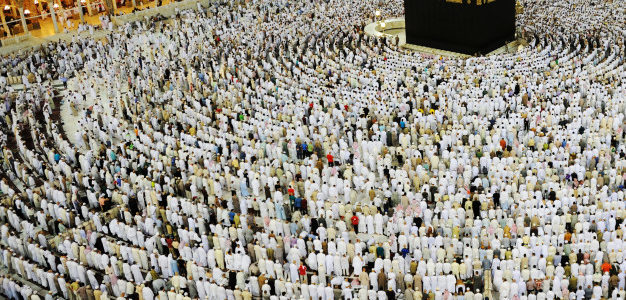
Women attending the Masjid For Salāh

10th August 2018


Question: Should women attend Masjid to participate in the Congregation of Salāh? If women are very much outgoing today then does this justify the necessity in allowing women to come to the Masjid?


الجواب حامداً ومصلياً

In the name of Allah, the Most Gracious, the Most Merciful


Answer:

The legal status of women attending the Masjid for the congregational Salāh is an old debate that has continued until this day. Much has been written on this subject so I will present a summary of the discussion below with some recommendations towards the end.

The Practice at the time of the Noble Prophet sallallahu alayhi wasallam

The female companions during the time of the Noble Messenger sallallahu alayhi wasallam frequented the masjid so to join the congregational Salāh behind the Noble Messenger sallallahu alayhi wasallam . There was a general concession for them during those days. Imām Abū Dāwood reports in his Sunnan from Sayyiduna Abdullah ibn Umar radhiyallahu anhu narrates that the Messenger of Allāh sallallahu alayhi wasallam said: “Do not prevent your womenfolk from attending the Masjid, even though their houses are better for them.” The women in the earlier times observed the laws of Hijab properly and the laws of segregation were strictly applied under the Prophet’s e direct instructions. The chances of fitna emerging from the Masjid was extremely rare considering that the Noble Messenger sallallahu alayhi wasallam   was present and alive at the time to prevent any potential fitna emerging in the masjid. The Messenger of Allāh sallallahu alayhi wasallam was also aware of the female companion’s zeal of wanting to pray Salāh behind him, hence he did not prevent them altogether out of compassion.

The Reason for the Subsequent Ban

After the demise of the Noble Prophet sallallahu alayhi wasallam, the social circumstances changed. Both Sayyidunā Umar radhiyallahu anhu and Sayyidah A’isha radhiyallahu anha perceived a gradual change in people’s behaviour and conduct, as in, the level of modesty that existed during the time of the Noble Messenger sallallahu alayhi wasallam was now gradually lessening. So in order to safeguard the modesty level of the community, both disapproved of women attending the Masjid and instructed them to perform their Salāh in their homes.

Imām Bukhāri rahimahullah reports from Sayyidah Aisha radhiyallahu anha who said, “If the Messenger of Allah (Allah bless him & give him peace) was alive to see what women are doing now (in A’isha’s time), he would surely have prevented them from attending the prayers in the Masjid just as the women of Bani Isra’il were prevented.”

Ibn Maza writes in his Al Muhit al Burhani reports that Sayyidunā Umar radhiyallahu anhu forbade women from attending the masjid so they (women) complained to Sayyidah A’isha radhiyallahu anha and she said to them, “If the prophet had known what Umar knew, he would not have given them permission to go out.”

What is interesting to note here is that both exercised their Ijtihād to change the rulings based on their circumstances. Both were fully aware of people’s conduct in their society. Sayyidah A’isha radhiyallahu anha, observed the change in women’s behaviour in her time. Such behaviour included, women frequently adorning themselves, frequent emergence from their homes and the increase temptation of men towards women. Being the wife of the Noble Messenger sallallahu alayhi wasallam, she knew exactly what he would do in such circumstances as she was cognisant of women’s conduct in her time. So, it is no surprise that she concurred with Sayyidunā Umar’s radhiyallahu anhu decision of disapproving women for frequenting the Masjid.

The Classical Hanafi jurists Approach to this issue

Imām Abū Haneefah rahimahullah was of the opinion that young women were not permitted to attend the congregation under any circumstances because of the illah (reason) of fitnah. He, however, permitted an old woman to attend the Fajr, Maghrib, Isha and Eid prayers. He viewed that the darkness of the night protects her from men’s glances, unlike the daytime and Friday prayers. This was the similar position of his two esteemed students; Imām Abū Yusuf rahimahullah and Muhammad rahimahullah in the distinction between old and young except that they allowed an old woman to attend all the Salāhs whilst Imām Abū Haneefah rahimahullah only allowed them to attend during specific Salāhs only. Later Hanafi scholars banned old women also from attending the Masjid altogether due to the general application of the Hadeeth of A’ishah radhiyallahu anha. Some jurists such as Ibn Nujaym rahimahullah objected to this and preferred Imām Abū Haneefah’s rahimahullah original opinion.

Ibn Humām rahimahullah responds to an objection raised against Imām Abū Haneefah rahimahullah as to the reason of banning (young women) altogether if the Hadeeth of the Prophet suggests to grant them permission. He responds that the Prophet’s permission is not unrestricted, but rather subjected to specific conditions such as the Prophet’s statement that any woman who applies bukhoor should not attend the Isha congregation with us. The permission should thus not be treated as unconditional. If women were to emerge then there are strict conditions that must be followed otherwise they should perform their Salāh in their homes at all times.

The Stance on Women attending Masjid for the Congregational Salāhs in Today’s time

It must be remembered that the underlying reasons in preventing young women from attending Masjid and allowing old women emerging in specific or all Salāh times reflected the circumstances of the time. What is important is to safeguard oneself from fitna and temptations and for women to uphold the laws of hijabs properly. Moreover, the environment make-up should comprise of proper segregated facilities, preventing any potential free-mixing between both genders. None of these crucial factors should be overlooked or ignored.

In today’s time, women are very outgoing and present everywhere as in, in today’s society, women go shopping, go to work and much often, in mixed environments. Due to this, the modesty level has reduced quite drastically and the temptation is prevalent everywhere. This being the case, it has been generally observed that many outside bad habits are brought into the Masjid setting which engenders further problems.

Henceforth, as a recommendation, women should not frequent the Masjid for the purpose of Salāh only. Women praying Salāh in their homes is more virtuous than praying in the Masjid. Although the Messenger of Allāh sallallahu alayhi wasallam allowed women to attend, he didn’t emphasise on them attending the Masjid, but encouraged them to pray Salāh at home. For them to attend the Masjid to pray Salāh is not necessary as the case with men. At the same time, every Masjid should at least provide basic wudhu and Salāh facilities for women outing with their families who need to stop by to pray their Salāh. This is better than them waiting until they reach home especially if there is the fear of them missing their prayers. In addition, Masjids should also provide separate facilities to cater for their Islamic educational needs. They should not be barred from attending Islamic talks and conventions in the same Masjid using those separate facilities. In all these circumstances the following conditions must be met;

  1. They must not immerse themselves in strong perfumes.
  2. No free-mixing between both genders.
  3. Both genders should be in segregated facilities
  4. To cover the body with Hijab properly and not to dress in a manner that attracts the opposite gender either through glamorous clothing or applying make-up.
  5. Not to frequent the Masjid so much that the home responsibilities are neglected. Rather a balance needs to be maintained.


[Allāh Knows Best]


Written by:  Apa Sajeda        Reviewed by: Mufti Abdul Waheed

Attested by: Shaykh Mufti Saiful Islam

JKN Fatawa Department


See references below

Abu Dawood shareef, kitab al salaah, baab altashdeed fi thalika, v 1, pg 426, hadeeth 570

 صلاة المرأة في بيتها أفضل من صلاتها في حجرتها وصلاتها في مخدعها أفضل من صلاتها في بيتها ” . رواه أبو داود )


Al ashbah wa al nazair , pg 312

لا ينكر تغير الاحكام الاجتهادية بتغير الازمان.


Rad al Mukhtar ala Duril al Mukhtar. V.1 pg 566

)وَيُكْرَهُ حُضُورُهُنَّ الْجَمَاعَةَ) وَلَوْ لِجُمُعَةٍ وَعِيدٍ وَوَعْظٍ (مُطْلَقًا) وَلَوْ عَجُوزًا لَيْلًا (عَلَى الْمَذْهَبِ) الْمُفْتَى بِهِ لِفَسَادِ الزَّمَانِ، وَاسْتَثْنَى الْكَمَالُ بَحْثًا الْعَجَائِزَ وَالْمُتَفَانِيَةَ     (قَوْلُهُ وَلَوْ عَجُوزًا لَيْلًا) بَيَانٌ لِلْإِطْلَاقِ: أَيْ شَابَّةً أَوْ عَجُوزًا نَهَارًا أَوْ لَيْلًا (قَوْلُهُ عَلَى الْمَذْهَبِ الْمُفْتَى بِهِ) أَيْ مَذْهَبِ الْمُتَأَخِّرِينَ. قَالَ فِي الْبَحْرِ: وَقَدْ يُقَالُ هَذِهِ الْفَتْوَى الَّتِي اعْتَمَدَهَا الْمُتَأَخِّرُونَ مُخَالِفَةٌ لِمَذْهَبِ الْإِمَامِ وَصَاحِبَيْهِ، فَإِنَّهُمْ نَقَلُوا أَنَّ الشَّابَّةَ تُمْنَعُ مُطْلَقًا اتِّفَاقًا. وَأَمَّا الْعَجُوزُ فَلَهَا حُضُورُ الْجَمَاعَةِ عِنْدَ الْإِمَامِ إلَّا فِي الظُّهْرِ وَالْعَصْرِ وَالْجُمُعَةِ أَيْ وَعِنْدَهُمَا مُطْلَقًا، فَالْإِفْتَاءُ بِمَنْعِ الْعَجَائِزِ فِي الْكُلِّ مُخَالِفٌ لِلْكُلِّ، فَالِاعْتِمَادُ عَلَى مَذْهَبِ الْإِمَامِ. اهـ.
قَالَ فِي النَّهْرِ: وَفِيهِ نَظَرٌ، بَلْ هُوَ مَأْخُوذٌ مِنْ قَوْلِ الْإِمَامِ وَذَلِكَ أَنَّهُ إنَّمَا مَنَعَهَا لِقِيَامِ الْحَامِلِ وَهُوَ فَرْطُ الشَّهْوَةِ بِنَاءً عَلَى أَنَّ الْفَسَقَةَ لَا يَنْتَشِرُونَ فِي الْمَغْرِبِ لِأَنَّهُمْ بِالطَّعَامِ مَشْغُولُونَ وَفِي الْفَجْرِ وَالْعِشَاءِ نَائِمُونَ؛ فَإِذَا فُرِضَ انْتِشَارُهُمْ فِي هَذِهِ الْأَوْقَاتِ لِغَلَبَةِ فِسْقِهِمْ كَمَا فِي زَمَانِنَا بَلْ تَحَرِّيهِمْ إيَّاهَا كَانَ الْمَنْعُ فِيهَا أَظْهَرَ مِنْ الظُّهْرِ. اهـ. قُلْت: وَلَا يَخْفَى مَا فِيهِ مِنْ التَّوْرِيَةِ اللَّطِيفَةِ. وَقَالَ الشَّيْخُ إسْمَاعِيلُ: وَهُوَ كَلَامٌ حَسَنٌ إلَى الْغَايَةِ (قَوْلُهُ وَاسْتَثْنَى الْكَمَالُ إلَخْ) أَيْ مِمَّا أَفْتَى بِهِ الْمُتَأَخِّرُونَ لِعَدَمِ الْعِلَّةِ السَّابِقَةِ فَيَبْقَى الْحُكْمُ فِيهِ عَلَى قَوْلِ الْإِمَامِ فَافْهَمْ (قَوْلُهُ لَيْسَ مَعَهُنَّ رَجُلٌ غَيْرَهُ) ظَاهِرُهُ أَنَّ الْخَلْوَةَ بِالْأَجْنَبِيَّةِ لَا تَنْتَفِي بِوُجُودِ امْرَأَةٍ أَجْنَبِيَّةٍ أُخْرَى وَتَنْتَفِي بِوُجُودِ رَجُلٍ آخَرَ تَأَمَّلْ (قَوْلُهُ كَأُخْتِهِ) مِنْ كَلَامِ الشَّارِحِ كَمَا رَأَيْته فِي عِدَّةِ نُسَخٍ،


Al Bahr al Raiq, Kitab al Salaat ,v.1 ,pg 380

)قَوْلُهُ وَلَا يَحْضُرْنَ الْجَمَاعَاتِ) لِقَوْلِهِ تَعَالَى {وَقَرْنَ فِي بُيُوتِكُنَّ} [الأحزاب: 33] وَقَالَ – صَلَّى اللَّهُ عَلَيْهِ وَسَلَّمَ – «صَلَاتُهَا فِي قَعْرِ بَيْتِهَا أَفْضَلُ مِنْ صَلَاتِهَا فِي صَحْنِ دَارِهَا وَصَلَاتُهَا فِي صَحْنِ دَارِهَا أَفْضَلُ مِنْ صَلَاتِهَا فِي مَسْجِدِهَا وَبُيُوتُهُنَّ خَيْرٌ لَهُنَّ» وَلِأَنَّهُ لَا يُؤْمَنُ الْفِتْنَةُ مِنْ خُرُوجِهِنَّ أَطْلَقَهُ فَشَمِلَ الشَّابَّةَ وَالْعَجُوزَ وَالصَّلَاةَ النَّهَارِيَّةَ وَاللَّيْلِيَّةَ قَالَ الْمُصَنِّفُ فِي الْكَافِي وَالْفَتْوَى الْيَوْمُ عَلَى الْكَرَاهَةِ فِي الصَّلَاةِ كُلِّهَا لِظُهُورِ الْفَسَادِ وَمَتَى كُرِهَ حُضُورُ الْمَسْجِدِ لِلصَّلَاةِ فَلَأَنْ يُكْرَهَ حُضُورُ مَجَالِسِ الْوَعْظِ خُصُوصًا عِنْدَ هَؤُلَاءِ الْجُهَّالِ الَّذِينَ تَحَلَّوْا بِحِلْيَةِ الْعُلَمَاءِ أَوْلَى. ذَكَرَهُ فَخْرُ الْإِسْلَامِ اهـ.
وَفِي فَتْحِ الْقَدِيرِ الْمُعْتَمَدُ مَنْعُ الْكُلِّ فِي الْكُلِّ إلَّا الْعَجَائِزَ الْمُتَفَانِيَةَ فِيمَا يَظْهَرُ لِي دُونَ الْعَجَائِزِ الْمُتَبَرِّجَاتِ وَذَوَاتِ الرَّمَقِ. اهـ.
وَقَدْ يُقَالُ هَذِهِ الْفَتْوَى الَّتِي اعْتَمَدَهَا الْمُتَأَخِّرُونَ مُخَالِفَةٌ لِمَذْهَبِ الْإِمَامِ وَصَاحِبَيْهِ فَإِنَّهُمَا نَقَلُوا أَنَّ الشَّابَّةَ تُمْنَعُ مُطْلَقًا اتِّفَاقًا، وَأَمَّا الْعَجُوزُ فَلَهَا حُضُورُ الْجَمَاعَةِ عِنْدَ أَبِي حَنِيفَةَ فِي الصَّلَاةِ إلَّا فِي الظُّهْرِ وَالْعَصْرِ وَالْجُمُعَةِ، وَقَالَا يَخْرُجُ الْعَجَائِزُ فِي الصَّلَاةِ كُلِّهَا كَمَا فِي الْهِدَايَةِ وَالْمَجْمَعِ وَغَيْرِهِمَا فَالْإِفْتَاءُ بِمَنْعِ الْعَجُوزِ فِي الْكُلِّ مُخَالِفٌ لِلْكُلِّ فَالِاعْتِمَادُ عَلَى مَذْهَبِ الْإِمَامِ،


Fath al Qadeer, kitab al salaat, v1,pg 365-366

و يكره لهن حضور الجماعات يعنى الشواب منهن لما فيه من خوف الفتنه و لا بأس للعجوز ان تخرج فى الفجر والمغرب والعشاء و هذا عند ابى حنيفة و قالا يخرجن فى الصلوات كلها لانه لا فتنة لقلة الرغبة اليها فلا يكره كما فى العيد.
و له ان فرط الشبق حامل فتقع الفتنة غير ان الفساق انتشارهم فى الظهر والعصر والجمعة
اما فى الفجر و العشاء فهم نائمون
و فى المغرب بالطعام مشغولون و الجبانة متسعة فيمكنها الاعتزال عن الرجال فلا يكره
قوله يعنى الشواب منهن تقييد فى حق عدم الخلاف فى اطلاق الحكم لا فى اصل الحكم فان العجوز ممنوعة عنده فى البعض و اعلم انه صح  انه قال لا تمنعوا اماء الله مساجد الله و قوله اذا استأذنت احدكم امراته الى المسجد فلا يمنعها و العلماء خصوه بامور منصوص عليها و مقيسة . فمن الاول ما صح انه صلى الله عليه و سلم قال ايما امراة اصابت بخورا فلا تشهد معنا العشاء . و كونه ليلا فى بعض الطرق زفى مسلم لا تمنعوا النساء من الخروج الى المساجد الا باليل . و الثانى حسن الملابس و مزاحمة الرجال لان اخراج الطيب لتحريكه الداعية فلما فقد الآن منهن هذا لأنهن يتكلفن للخروج ما لم يكن عليه فى المنزل منعن مطلقا لا يقال. هذا حينءذ نسخ بالتعليل لانا نقول المنع يثبت حينئذ بالعمومات المانعة من التفتين او هو من باب اطلاق بشرط فيزول بزواله كانتهاء الحكم باهتهاء علته و قد قالت عائشة فى الصحيح لو ان رسول صلى الله عليه و سلم راى ما احدث النساء بعده لمنعهن كما منعت نساء بنى اسرائيل

Al-Muheet al burhani, kitab al salaat, v.2, pg 102

واعلم بأن النساء أمرن بالقران في البيوت قال الله تعالى: {وَقَرْنَ فِى بُيُوتِكُنَّ وَلاَ تَبَرَّجْنَ تَبَرُّجَ الْجَهِلِيَّةِ الاْولَى وَأَقِمْنَ الصَّلَوةَ وَءاتِينَ الزَّكَوةَ وَأَطِعْنَ اللَّهَ وَرَسُولَهُ إِنَّمَا يُرِيدُ اللَّهُ لِيُذْهِبَ عَنكُمُ الرّجْسَ أَهْلَ الْبَيْتِ وَيُطَهّرَكُمْ تَطْهِيراً} (الأحزاب: 33) ونهين عن الخروج قال الله تعالى: {وَقَرْنَ فِى بُيُوتِكُنَّ وَلاَ تَبَرَّجْنَ تَبَرُّجَ الْجَهِلِيَّةِ الاْولَى وَأَقِمْنَ الصَّلَوةَ وَءاتِينَ الزَّكَوةَ وَأَطِعْنَ اللَّهَ وَرَسُولَهُ إِنَّمَا يُرِيدُ اللَّهُ لِيُذْهِبَ عَنكُمُ الرّجْسَ أَهْلَ الْبَيْتِ وَيُطَهّرَكُمْ تَطْهِيراً} (الأحزاب: 33) الآية. أبيح لهن الخروج في الابتداء إلى الجماعات لقوله عليه السلام: «لا تمنعوا إماء الله مساجد الله وليخرجن إذا خرجن تفلات» أي غير متطيبات، ثم منعهن بعد ذلك لما في خروجهن من الفتنة قال الله تعالى: {وَلَقَدْ عَلِمْنَا الْمُسْتَقْدِمِينَ مِنكُمْ وَلَقَدْ عَلِمْنَا الْمُسْتَخِرِينَ} (الحجر: 24) المتأخرين قيل في التفسير: الآية نزلت في شأن النسوة كان المنافقون يتأخرون حتى يطلعون على عورات النساء فمنعن بعد ذلك، وقال عليه السلام: «صلاة المرأة في دارها أفضل من صلاتها في مسجدها وصلاتها في بيتها أفضل من صلاتها في دارها» ، وعن عمر رضي الله عنه: أنه نهى النساء عن الخروج إلى المساجد فشكون إلى عائشة رضي الله عنها فقالت عائشة رضي الله عنها: لو علم النبي عليه السلام ما علم عمر ما أذن لكم في الخروج.

ثم تكلموا أن في زماننا هل يرخص لهن في الخروج أم لا؟ أما الصواب فلا يرخص لهن في الخروج في شيء من الصلوات عندنا، وقال الشافعي رحمه الله: يباح لهن الخروج واحتج بقوله عليه السلام: «لا تمنعوا إماء الله مساجد الله» . واحتج أصحابنا رحمه الله بنهي عمر رضي الله عنه عن الخروج لما رأى من الفتنة.
وأما العجائز من النساء يرخص لهن الخروج إلى صلاة الفجر، والمغرب، والعشاء والعيدين، ولا يرخص لهن الخروج إلى صلاة الظهر، والعصر، والجمعة في قول أبي حنيفة رحمه الله، وقال أبو يوسف ومحمد رحمهما الله: يرخص لهن في الصلوات كلها، وفي الكسوف والاستسقاء، هما احتجا وقالا: ليس في خروج العجائز فتنة فالناس قل ما يرغبون فيهن وقد كن خرجن إلى الجهاد مع رسول الله عليه السلام يداوين المرضى ويسقين الماء ويطبخن، ولهذا جاز للرجال مصافحتهن، ولهذا يرخص لهن الخروج إلى صلاة الفجر والمغرب والعيدين.
واحتج أبو حنيفة رحمه الله وقال: وقت الظهر والعصر وقت يكثر فيهما الفساق فالحريص منهم يرغب في العجائز، فيصير خروجهن سبباً للوقوع في الفتنة بخلاف الفجر، والمغرب، والعشاء، فإنه لا يكثر فيها الفساق بل الصلحاء يحضرون في هذه الصلوات؛ ولأن في صلاة الفجر والمغرب، والعشاء ظلمة الليل تحول بينها وبين نظر الرجال إليهن

فلا يصير الخروج في هذه الحالة سبباً للوقوع في الفتنة.
بخلاف الظهر والعصر؛ لأنهما يؤديان في ضوء النهار فيقع بصر الرجال عليها، وبخلاف الجمعة فإنها تؤدى في المصر بجمع عظيم، ولكثرة ربما تصدم وتصتدم وفي ذلك فتنة؛ لأن العجوز إن كان لا يشتهيها شاب يشتهيها شيخ مثلها وربما تحمل فرط الشبق بالشاب على أن يشتهيها ويقصد أن يصدمها، فأما صلاة العيد تؤدى في الجبانة فيمكنها أن تعتزل ناحية عن الرجال كيلا تصدم. ثم إذا خرجن في العيد هل يصلين؟ روى الحسن عن أبي حنيفة رحمه الله أنه قال: يصلين؛ لأن المقصود من الخروج الصلاة، وروى المعلى عن أبي يوسف رحمه الله عن أبي حنيفة رحمه الله: أنه لا يصلين وإنما خروجهن لتكثير سواد المسلمين، جاء في حديث أم عطية: «كن النساء يخرجن مع رسول الله عليه السلام في العيدين حتى ذات الحيض» ومعلوم أن الحائض لا تصلي فعلمنا أن خروجهن لتكثير سواد المسلمين.


Suffering from Abscess and the Rules of Wudhu

6th August 2018

السلام عليكم ورحمة الله وبركاته 

Question:

I suffer from severe abscess. I punctured a hole that was quite a large one and as a result of the puss constantly comes out and doesn’t stop. The bandage gets stained with puss and blood every time I change it. I can sometimes feel the puss coming out whilst I read my Salāh. Can I apply the ruling of Ma’zoor or must I repeat my wudhu and Salāh every time it leaks?

الجواب حامداً ومصلياً

In the name of Allah, the Most Gracious, the Most Merciful


Answer:

In your particular case, if the blood and puss continuously flows from your abscess preventing you from praying a full Salāh in the state of purity then you will be classed as a Ma’zoor. A Ma’zoor is basically a person who suffers from continuous discharge of impurity from the body throughout the duration of the entire Salāh time, not giving a chance to perform the Salāh. As a Ma’zoor person, you are required to make wudhu before every Fardh Salāh and this wudhu will remain intact despite the continuous bleeding until the end of the Fardh Salāh time, after which you must renew your wudhu. During the Salāh time, you may perform as much Salāh as you wish and need not to repeat the wudhu until the Fardh Salāh time expires or any factor breaching the wudhu other than the abscess occurs.

If the bandage also stains constantly more than a dirham (£2 coin) quantity before completing your Salāh and not possible to change it every time then you are not obliged to change it before every Fardh Salāh. Once you have been relieved from the abscess illness completely then the exceptional rulings (as explained above) would no longer apply to you.[1]


[Allãh Knows Best]


Written by:  Apa Sajeda       Reviewed by: Mufti Abdul Waheed

Attested by: Shaykh Mufti Saiful Islam  

JKN Fatawa Department


[1]  Al Fatawa al Hindiyya ,Kitab al-tahara, the chapter on blood specific to women,v1 pg 40

 )وَمِمَّا يَتَّصِلُ بِذَلِكَ أَحْكَامُ الْمَعْذُورِ) شَرْطُ ثُبُوتِ الْعُذْرِ ابْتِدَاءً أَنْ يَسْتَوْعِبَ اسْتِمْرَارُهُ وَقْتَ الصَّلَاةِ كَامِلًا وَهُوَ الْأَظْهَرُ كَالِانْقِطَاعِ لَا يَثْبُتُ مَا لَمْ يَسْتَوْعِبْ الْوَقْتَ كُلَّهُ حَتَّى لَوْ سَالَ دَمُهَا فِي بَعْضِ وَقْتِ صَلَاةٍ فَتَوَضَّأَتْ وَصَلَتْ ثُمَّ خَرَجَ الْوَقْتُ وَدَخَلَ وَقْتُ صَلَاةٍ أُخْرَى وَانْقَطَعَ دَمُهَا فِيهِ أَعَادَتْ تِلْكَ الصَّلَاةَ لِعَدَمِ الِاسْتِيعَابِ.
وَإِنْ لَمْ يَنْقَطِعْ فِي وَقْتِ الصَّلَاةِ الثَّانِيَةِ حَتَّى خَرَجَ لَا تُعِيدُهَا لِوُجُودِ اسْتِيعَابِ الْوَقْتِ. وَشَرْطُ بَقَائِهِ أَنْ لَا يَمْضِيَ عَلَيْهِ وَقْتُ فَرْضٍ إلَّا وَالْحَدَثُ الَّذِي اُبْتُلِيَ بِهِ يُوجَدُ فِيهِ هَكَذَا فِي التَّبْيِينِ الْمُسْتَحَاضَةُ وَمَنْ بِهِ سَلَسُ الْبَوْلِ أَوْ اسْتِطْلَاقِ الْبَطْنِ أَوْ انْفِلَاتِ الرِّيحِ أَوْ رُعَافٍ دَائِمٌ أَوْ جُرْحٍ لَا يُرْقَأُ يَتَوَضَّئُونَ لِوَقْتِ كُلِّ صَلَاةٍ وَيُصَلُّونَ بِذَلِكَ الْوُضُوءِ فِي الْوَقْتِ مَا شَاءُوا مِنْ الْفَرَائِضِ وَالنَّوَافِلِ هَكَذَا فِي الْبَحْرِ الرَّائِقِ.
وَإِنْ تَوَضَّأَ عَلَى السَّيَلَانِ وَصَلَّى عَلَى الِانْقِطَاعِ وَتَمَّ الِانْقِطَاعُ بِاسْتِيعَابِ الْوَقْتِ الثَّانِي أَعَادَ. كَذَا فِي شَرْحِ مُنْيَةِ الْمُصَلِّي لِإِبْرَاهِيمَ الْحَلَبِيِّ وَكَذَا إذَا انْقَطَعَ فِي خِلَالِ الصَّلَاةِ وَتَمَّ الِانْقِطَاعُ. هَكَذَا فِي الْمُضْمَرَاتِ. وَيَبْطُلُ الْوُضُوءُ عِنْدَ خُرُوجِ وَقْتِ الْمَفْرُوضَةِ بِالْحَدَثِ السَّابِقِ. هَكَذَا فِي الْهِدَايَةِ وَهُوَ الصَّحِيحُ.


  Durrul Mukhtar ,Kitab al-tahara, baab alhaidh pg 45

)وَصَاحِبُ عُذْرٍ مَنْ بِهِ سَلَسٌ) بَوْلٍ لَا يُمْكِنُهُ إمْسَاكُهُ (أَوْ اسْتِطْلَاقُ بَطْنٍ أَوْ انْفِلَاتُ رِيحٍ أَوْ اسْتِحَاضَةٌ) أَوْ بِعَيْنِهِ رَمَدٌ أَوْ عَمَشٌ أَوْ غَرَبٌ، وَكَذَا كُلُّ مَا يَخْرُجُ بِوَجَعٍ وَلَوْ مِنْ أُذُنٍ وَثَدْيٍ وَسُرَّةٍ (إنْ اسْتَوْعَبَ عُذْرُهُ تَمَامَ وَقْتِ صَلَاةٍ مَفْرُوضَةٍ)
بِأَنْ لَا يَجِدَ فِي جَمِيعِ وَقْتِهَا زَمَنًا يَتَوَضَّأُ وَيُصَلِّي فِيهِ خَالِيًا عَنْ الْحَدَثِ (وَلَوْ حُكْمًا) لِأَنَّ الِانْقِطَاعَ الْيَسِيرَ مُلْحَقٌ بِالْعَدَمِ (وَهَذَا شَرْطُ) الْعُذْرِ (فِي حَقِّ الِابْتِدَاءِ، وَفِي) حَقِّ (الْبَقَاءِ كَفَى وُجُودُهُ فِي جُزْءٍ مِنْ الْوَقْتِ) وَلَوْ مَرَّةً (وَفِي) حَقِّ الزَّوَالِ يُشْتَرَطُ (اسْتِيعَابُ الِانْقِطَاعِ) تَمَامَ الْوَقْتِ (حَقِيقَةً) لِأَنَّهُ الِانْقِطَاعُ الْكَامِلُ . (وَحُكْمُهُ الْوُضُوءُ) لَا غَسْلُ ثَوْبِهِ وَنَحْوِهِ (لِكُلِّ فَرْضٍ) اللَّامُ لِلْوَقْتِ كَمَا فِي – {لِدُلُوكِ الشَّمْسِ} [الإسراء: 78]- (ثُمَّ يُصَلِّي) بِهِ (فِيهِ فَرْضًا وَنَفْلًا) فَدَخَلَ الْوَاجِبُ بِالْأَوْلَى (فَإِذَا خَرَجَ الْوَقْتُ بَطَلَ) أَيْ: ظَهَرَ حَدَثُهُ السَّابِقُ، حَتَّى لَوْ تَوَضَّأَ عَلَى الِانْقِطَاعِ وَدَامَ إلَى خُرُوجِهِ لَمْ يَبْطُلْ بِالْخُرُوجِ مَا لَمْ يَطْرَأْ حَدَثٌ آخَرُ أَوْ يَسِيلُ كَمَسْأَلَةِ مَسْحِ خُفِّهِ.  


Al Bahr al-raiq ,Kitab al-tahara, baab alhaidh v.1, pg 226

وَمَنْ بِهِ سَلَسُ بَوْلٍ وَهُوَ مَنْ لَا يَقْدِرُ عَلَى إمْسَاكِهِ وَالرُّعَافُ الدَّمُ الْخَارِجُ مِنْ الْأَنْفِ وَالْجُرْحِ الَّذِي لَا يَرْقَأُ أَيْ الَّذِي لَا يَسْكُنُ دَمُهُ مِنْ رَقَأَ الدَّمُ سَكَنَ، وَإِنَّمَا كَانَ وُضُوءُهَا لِوَقْتِ كُلِّ فَرْضٍ لَا لِكُلِّ صَلَاةٍ لِقَوْلِهِ – عَلَيْهِ الصَّلَاةُ وَالسَّلَامُ – «الْمُسْتَحَاضَةُ تَتَوَضَّأُ لِوَقْتِ كُلِّ صَلَاةٍ» رَوَاهُ سِبْطُ بْنُ الْجَوْزِيِّ عَنْ أَبِي حَنِيفَةَ وَحَدِيثُ «تَوَضَّئِي لِكُلِّ صَلَاةٍ» مَحْمُولٌ عَلَيْهِ؛ لِأَنَّ اللَّامَ لِلْوَقْتِ وَفِي الْفَتَاوَى الظَّهِيرِيَّةِ رَجُلٌ رَعَفَ أَوْ سَالَ مِنْ جُرْحِهِ دَمٌ يَنْتَظِرُ آخِرَ الْوَقْتِ إنْ لَمْ يَنْقَطِعْ الدَّمُ تَوَضَّأَ وَصَلَّى قَبْلَ خُرُوجِ الْوَقْتِ، فَإِنْ تَوَضَّأَ وَصَلَّى ثُمَّ خَرَجَ الْوَقْتُ وَدَخَلَ وَقْتُ صَلَاةٍ أُخْرَى وَانْقَطَعَ الدَّمُ وَدَامَ الِانْقِطَاعُ إلَى وَقْتِ صَلَاةٍ أُخْرَى تَوَضَّأَ وَأَعَادَ الصَّلَاةَ، وَإِنْ لَمْ يَنْقَطِعْ فِي وَقْتِ الصَّلَاةِ الثَّانِيَةِ حَتَّى خَرَجَ الْوَقْتُ جَازَتْ الصَّلَاةُ. اهـ

Al fatawa hindiya. Kitab al Tahara. V1 pg 41

إذَا كَانَ بِهِ جُرْحٌ سَائِلٌ وَقَدْ شَدَّ عَلَيْهِ خِرْقَةً فَأَصَابَهَا الدَّمُ أَكْثَرَ مِنْ قَدْرِ الدَّرهمِ أَوْ أَصَابَ ثَوْبَهُ إنْ كَانَ بِحَالٍ لَوْ غَسَلَهُ يَتَنَجَّسُ ثَانِيًا قَبْلَ الْفَرَاغِ مِنْ الصَّلَاةِ جَازَ أَنْ لَا يَغْسِلَهُ وَصَلَّى قَبْلَ أَنْ يَغْسِلَهُ وَإِلَّا فَلَا هَذَا هُوَ الْمُخْتَارُ هَكَذَا فِي الْمُضْمَرَاتِ

Harām Times for Salāh

6th August 2018

السلام عليكم ورحمة الله وبركاته 

Question: We are told that we cannot perform any Salāh during the three Harām times; sunrise, zenith (zawal time), sunset. What is the duration time of each one of them?

الجواب حامداً ومصلياً

In the name of Allah, the Most Gracious, the Most Merciful

Answer

With reference to your particular case, there are multiple times during the day when Salāh cannot be performed. The first being from the time of sunrise up until the sun has risen to the length of a spear. The duration of this is normally 10 minutes. The second time: From midday until Zawāl (zenith). This time is approximately 10 minutes. It takes place just before Zuhr beginning time. The third time being: From the time the sun changes colour to red until sunset. The changing of the colour approximately takes place 10 minutes before sunset.[1]

[Allãh Knows Best]

Written by:  Apa Sajeda        Reviewed by: Mufti Abdul Waheed

Attested by: Shaykh Mufti Saiful Islam

JKN Fatawa Department

[1] Al Fatawa al Hindiyya ,Kitab alsalaat , Chapter on times in which salah is not allowed. V1 pg. 52

ثَلَاثُ سَاعَاتٍ لَا تَجُوزُ فِيهَا الْمَكْتُوبَةُ وَلَا صَلَاةُ الْجِنَازَةِ وَلَا سَجْدَةُ التِّلَاوَةِ إذَا طَلَعَتْ الشَّمْسُ حَتَّى تَرْتَفِعَ وَعِنْدَ الِانْتِصَافِ إلَى أَنْ تَزُولَ وَعِنْدَ احْمِرَارِهَا إلَى أَنْ يَغِيبَ إلَّا عَصْرَ يَوْمِهِ ذَلِكَ فَإِنَّهُ يَجُوزُ أَدَاؤُهُ عِنْدَ الْغُرُوبِ. هَكَذَا فِي فَتَاوَى قَاضِي خَانْ قَالَ الشَّيْخُ الْإِمَامُ أَبُو بَكْرٍ مُحَمَّدُ بْنُ الْفَضْلِ مَا دَامَ الْإِنْسَانُ يَقْدِرُ عَلَى النَّظَرِ إلَى قُرْصِ الشَّمْسِ فَهِيَ فِي الطُّلُوعِ.

Raddul Muhtar ala Durril Mukhtar ,Kitab alsalaat , V1 pg. 371-372

(قَوْلُهُ: مَعَ شُرُوقٍ) وَمَا دَامَتْ الْعَيْنُ لَا تَحَارُ فِيهَا فِي حُكْمِ الشُّرُوقِ كَمَا تَقَدَّمَ فِي الْغُرُوبِ أَنَّهُ لَا يَصِحُّ كَمَا فِي الْبَحْرِ ح. أَقُولُ: يَنْبَغِي تَصْحِيحُ مَا نَقَلُوهُ عَنْ الْأَصْلِ لِلْإِمَامِ مُحَمَّدٍ مِنْ أَنَّهُ مَا لَمْ تَرْتَفِعْ الشَّمْسُ قَدْرَ رُمْحٍ فَهِيَ فِي حُكْمِ الطُّلُوعِ؛ لِأَنَّ أَصْحَابَ

الْمُتُونِ مَشَوْا عَلَيْهِ فِي صَلَاةِ الْعِيدِ حَيْثُ جَعَلُوا أَوَّلَ أَوْقَاتِهَا مِنْ الِارْتِفَاعِ وَلِذَا جَزَمَ بِهِ هُنَا فِي الْفَيْضِ وَنُورِ الْإِيضَاحِ

(قَوْلُهُ: وَاسْتِوَاءٍ) التَّعْبِيرُ بِهِ أَوْلَى مِنْ التَّعْبِيرِ بِوَقْتِ الزَّوَالِ؛ لِأَنَّ وَقْتَ الزَّوَالِ لَا تُكْرَهُ فِيهِ الصَّلَاةُ إجْمَاعًا بَحْرٌ عَنْ الْحِلْيَةِ: أَيْ لِأَنَّهُ يَدْخُلُ بِهِ وَقْتُ الظُّهْرِ كَمَا مَرَّ. وَفِي شَرْحِ النُّقَايَةِ لِلْبُرْجُنْدِيِّ: وَقَدْ وَقَعَ فِي عِبَارَاتِ الْفُقَهَاءِ أَنَّ الْوَقْتَ الْمَكْرُوهَ هُوَ عِنْدَ انْتِصَافِ النَّهَارِ إلَى أَنْ تَزُولَ الشَّمْسُ وَلَا يَخْفَى أَنَّ زَوَالَ الشَّمْسِ إنَّمَا هُوَ عَقِيبَ انْتِصَافِ النَّهَارِ بِلَا فَصْلٍ، وَفِي هَذَا الْقَدْرِ مِنْ الزَّمَانِ لَا يُمْكِنُ أَدَاءُ صَلَاةٍ فِيهِ، فَلَعَلَّ أَنَّهُ لَا تَجُوزُ الصَّلَاةُ بِحَيْثُ يَقَعُ جُزْءٌ مِنْهَا فِي هَذَا الزَّمَانِ، أَوْ الْمُرَادُ بِالنَّهَارِ هُوَ النَّهَارُ الشَّرْعِيُّ وَهُوَ مِنْ أَوَّلِ طُلُوعِ الصُّبْحِ إلَى غُرُوبِ الشَّمْسِ، وَعَلَى هَذَا يَكُونُ نِصْفُ النَّهَارِ قَبْلَ الزَّوَالِ بِزَمَانٍ يُعْتَدُّ بِهِ. اهـ. إسْمَاعِيلُ وَنُوحٌ وَحَمَوِيٌّ……
وَفِي الْقُنْيَةِ: وَاخْتُلِفَ فِي وَقْتِ الْكَرَاهَةِ عِنْدَ الزَّوَالِ، فَقِيلَ مِنْ نِصْفِ النَّهَارِ إلَى الزَّوَالِ لِرِوَايَةِ أَبِي سَعِيدٍ عَنْ النَّبِيِّ – صَلَّى اللَّهُ عَلَيْهِ وَسَلَّمَ – «أَنَّهُ نَهَى عَنْ الصَّلَاةِ نِصْفَ النَّهَارِ حَتَّى تَزُولَ الشَّمْسُ» ) قَالَ رُكْنُ الدِّينِ الصَّبَّاغِيُّ: وَمَا أَحْسَنَ هَذَا؛ لِأَنَّ النَّهْيَ عَنْ الصَّلَاةِ فِيهِ يُعْتَمَدُ تَصَوُّرُهَا فِيهِ اهـ وَعَزَا فِي الْقُهُسْتَانِيِّ الْقَوْلَ بِأَنَّ الْمُرَادَ انْتِصَافُ النَّهَارِ الْعُرْفِيِّ إلَى أَئِمَّةِ مَا رَوَاهُ النَّهْرُ، وَبِأَنَّ الْمُرَادَ انْتِصَافُ النَّهَارِ الشَّرْعِيِّ وَهُوَ الضَّحْوَةُ الْكُبْرَى إلَى الزَّوَالِ إلَى أَئِمَّةِ جُوَارِزْمَ ……

قَوْلُهُ: وَغُرُوبٍ) أَرَادَ بِهِ التَّغَيُّرَ كَمَا صَرَّحَ بِهِ فِي الْخَانِيَّةِ حَيْثُ قَالَ عِنْدَ احْمِرَارِ الشَّمْسِ إلَى أَنْ تَغِيبَ بَحْرٌ وَقُهُسْتَانِيٌّ..

 Raddul Muhtar ala Durril Mukhtar ,Kitab alsalaat , V1 pg. 373

وَاعْلَمْ أَنَّ الْأَوْقَاتَ الْمَكْرُوهَةَ نَوْعَانِ:
الْأَوَّلُ الشُّرُوقُ وَالِاسْتِوَاءُ وَالْغُرُوبُ.
وَالثَّانِي مَا بَيْنَ الْفَجْرِ وَالشَّمْسِ، وَمَا بَيْنَ صَلَاةِ الْعَصْرِ إلَى الِاصْفِرَارِ،


Al-Bhar al Raiq ,Kitab alsalaat, v1,pg263

وَذُكِرَ فِي الْأَصْلِ مَا لَمْ تَرْتَفِعْ الشَّمْسُ قَدْرَ رُمْحٍ فَهِيَ فِي حُكْمِ الطُّلُوعِ وَاخْتَارَ الْفَضْلِيُّ أَنَّ الْإِنْسَانَ مَا دَامَ يَقْدِرُ عَلَى النَّظَرِ إلَى قُرْصِ الشَّمْسِ فِي الطُّلُوعِ فَلَا تَحِلُّ الصَّلَاةُ فَإِذَا عَجَزَ عَنْ النَّظَرِ حَلَّتْ وَهُوَ مُنَاسِبٌ لِتَفْسِيرِ التَّغَيُّرِ الْمُصَحَّحِ كَمَا قَدَّمْنَاهُ وَأَرَادَ بِالْغُرُوبِ التَّغَيُّرَ كَمَا صَرَّحَ بِهِ قَاضِي خان فِي فَتَاوِيهِ حَيْثُ قَالَ وَعِنْدَ احْمِرَارِ الشَّمْسِ إلَى أَنْ تَغِيبَ

Hanafi Witr in Haram

Hanafi Witr in Haram

5th August 2018

السلام عليكم ورحمة الله وبركاته 

Question: Is it permissible for a Hanafi adherent to pray Witr behind the Imāms in Haram  during Ramadhān?

الجواب حامداً ومصلياً

In the name of Allah, the Most Gracious, the Most Merciful

Answer:

Thank you for your above question. The issue related to a Hanafi praying witr Salāh behind the Imāms of Haram has been a matter of contention between jurists. Principally, witr in the Hanafi madhab is read in three rakāts without a break of salām in between like Maghrib Salāh, henceforth making salām in between breaks the Salāh. The Imāms in Haram usually pray three rak’āts with two salāms; the first one after the second rak’āt and the second one after the third. Going by this principle, a Hanafi cannot pray witr behind the Haram Imāms as his Salāh breaks when they make salām after the second reak’āt. If however an Imām of another madhab prays three rakā’ts with one salām at the end, as practiced by certain Shafi’ee scholars [even if they read with one sitting; qa’dah akheerah, at the end only and do Qunūt after the rukū’] then it is permissible.[1]

However many contemporary jurists have permitted reading witr behind the Haram Imāms on the basis that the Imām’s madhab is taken into consideration as opposed to the followers. In other words, if the Salāh is valid according to the Imām’s madhab then so will be the followers irrespective if they follow a madhab different to that of the Imām because primarily it is the Imām’s status of Salāh that is considered since he is the one leading them.[2] Many advocate this view so to maintain unity amongst the ummah.

As both positions are valid, one has the discretion to follow either of the two opinions; the original opinion of impressibility or the permissibility to pray behind them. Some even recommend to read witr behind them and thereafter repeat it due to the differences in the intention made as witr according to the other madhabs is sunnah whilst according to the Hanafies it is wājib.

Allah Knows Best


Written by:

Moulana Anas Mulla

JKN Fatawa Department 

Reviewed by:

Mufti Abdul Waheed       

JKN Fatawa Department 

Attested by:

Shaykh Mufti Saiful Islam

JKN Fatawa Department 


بِشَافِعِيٍّ) مَثَلًا (لَمْ يَفْصِلْهُ بِسَلَامٍ) لَا إنْ فَصَلَهُ (عَلَى الْأَصَحِّ) فِيهِمَا لِلِاتِّحَادِ وَإِنْ اخْتَلَفَ الِاعْتِقَادُ [1

قَوْلُهُ بِشَافِعِيٍّ مَثَلًا دَخَلَ فِيهِ مَنْ يَعْتَقِدُ قَوْلَ الصَّاحِبَيْنِ، وَكَذَا كُلُّ مَنْ يَقُولُ بِسُنِّيَّتِهِ. قَوْلُ عَلَى الْأَصَحِّ فِيهِمَا أَيْ فِي جَوَازِ أَصْلِ الِاقْتِدَاءِ فِيهِ بِشَافِعِيٍّ وَفِي اشْتِرَاطِ عَدَمِ فَصْلِهِ، خِلَافًا لِمَا فِي الْإِرْشَادِ مِنْ أَنَّهُ لَا يَجُوزُ أَصْلًا بِإِجْمَاعِ أَصْحَابِنَا لِأَنَّهُ اقْتِدَاءُ الْمُفْتَرِضِ بِالْمُتَنَفِّلِ، وَخِلَافًا لِمَا قَالَهُ الرَّازِيّ مِنْ أَنَّهُ يَصِحُّ وَإِنْ فَصَلَهُ وَيُصَلِّي مَعَهُ بَقِيَّةَ الْوِتْرِ لِأَنَّ إمَامَهُ لَمْ يَخْرُجُ بِسَلَامِهِ عِنْدَهُ وَهُوَ مُجْتَهِدٌ فِيهِ كَمَا لَوْ اقْتَدَى بِإِمَامٍ قَدْ رَعَفَ.
قُلْت: وَمَعْنَى كَوْنِهِ لَمْ يَخْرُجْ بِسَلَامِهِ أَنَّ سَلَامَهُ لَمْ يُفْسِدْ وِتْرَهُ لِأَنَّ مَا بَعْدَهُ يُحْسَبُ مِنْ الْوِتْرِ، فَكَأَنَّهُ لَمْ يَخْرُجْ مِنْهُ، وَهَذَا بِنَاءٌ عَلَى قَوْلِ الْهِنْدُوَانِيُّ بِقَرِينَةِ قَوْلِهِ كَمَا لَوْ اقْتَدَى إلَخْ، وَمُقْتَضَاهُ أَنَّ الْمُعْتَبَرَ رَأْيُ الْإِمَامِ فَقَطْ، وَهَذَا يُخَالِفُ مَا قَدَّمْنَاهُ آنِفًا عَنْ نُوحٍ أَفَنْدِي.

(رد المحتار علي الدر المختار، كتاب الصلاة، باب الوتر والنوافل، جلد ٢، ص٨)


 وَصَرَّحَ بَعْضُ الْمَشَايِخِ كَمَا فِي شَرْحِ مُنْيَةِ الْمُصَلِّي بِأَنَّهُ لَا يَنْوِي فِي الْوِتْرِ أَنَّهُ وَاجِبٌ لِلِاخْتِلَافِ فِي وُجُوبِهِ فَظَهَرَ بِهَذَا أَنَّ الْمَذْهَبَ الصَّحِيحَ صِحَّةُ الِاقْتِدَاءِ بِالشَّافِعِيِّ فِي الْوِتْرِ إنْ لَمْ يُسَلِّمْ عَلَى رَأْسِ الرَّكْعَتَيْنِ وَعَدَمُهَا إنْ سَلَّمَ

(البحر الرائق، كتاب الصلاة، باب الوتر والنوافل، جلد ٢، ص٤٣)


وَلَوْ صَلَّى الْوِتْرَ بِمَنْ يَقْنُتُ فِي الْوِتْرِ بَعْدَ الرُّكُوعِ فِي الْقَوْمَةِ وَالْمُقْتَدِي لَا يَرَى ذَلِكَ تَابَعَهُ فِيهِ. هَكَذَا فِي فَتَاوَى قَاضِي خَانْ.

(الفتاوي الهندية، كتاب الصلاة، الباب الثامن في صلاة الوتر، جلد١، ص١١١)

[2] See the link below

https://nawaader.files.wordpress.com/2016/03/darul-uloom-karachi-fatwa-regarding-witr-in-haramayn.pdf

Can we Observe Optional Fasts whilst Qadha Fasts still Outstanding?

Can we Observe Optional Fasts whilst Qadha Fasts still Outstanding?

5th August 2018

 السلام عليكم ورحمة الله وبركاته

Question: Can we fast nafil fasts eg shawwal, ashura ect even though we have our fardh fasts to make due to haidh, nifās etc?  Also after Ramadān. I want to observe the Shawwāl nafil fasts so do I have to make up for my Qadha fasts first or can I observe the six days of Shawwāl fasts and then keep my missed fardh fasts?


الجواب حامداً ومصلياً

In the name of Allah, the Most Gracious, the Most Merciful


Answer:

Generally, it would be permissible for a woman to observe the Sunnah and Nafil (optional) fasts even though she has previous Qadha fasts due upon her. However, it should be remembered that by keeping the Sunnah and Nafil fasts, the condition is that it should not cause physical weakness body nor make one lazy in making up the Qadha fasts. If this is the case then she must primarily make for her previous Qadha fasts then observe the Sunnah and Nafil fasts.


[Allāh Knows Best]


Written by:  Apa Sajeda        Reviewed by: Mufti Abdul Waheed

Attested by: Shaykh Mufti Saiful Islam    

JKN Fatawa Department

Breathing in Gas Whilst Fasting

5th August 2018


السلام عليكم ورحمة الله وبركاته 

Question: If someone breathes in gas whilst fasting, does the fast break?


الجواب حامداً ومصلياً

In the name of Allah, the Most Gracious, the Most Merciful


Answer: 

Thank you for your above question; with reference to your particular case if gas or smoke is inhaled unintentionally it will not invalidate the fast because at times it is very difficult to avoid. If it is inhaled deliberately or inhaled at a point where abstinence was possible then this invalidates the fast for example through smoking or deliberately standing next to someone smoking, or taking an asthma inhaler. As gas and smoke have a physical form which enters the body through a qualified passage, thus resulting in the breaking of the fast.

One will have to make up for the fast (Qadha) however kaffarah will not be necessary as it is not physical consumption along with benefit for one’s body (iftaar kamil ma’naan wa suratan).[1]


[Allāh Knows Best]


Written by:  Apa Sajeda        Reviewed by: Mufti Abdul Waheed

Attested by: Shaykh Mufti Saiful Islam      

JKN Fatawa Department


[1] Radul Muhtar ala Durril Mukhtar ,Kitab alsawm, Chapter on those things which break the fast V2, Pg 395

)أَوْ دَخَلَ حَلْقَهُ غُبَارٌ أَوْ ذُبَابٌ أَوْ دُخَانٌ) وَلَوْ ذَاكِرًا اسْتِحْسَانًا لِعَدَمِ إمْكَانِ التَّحَرُّزِ عَنْهُ، وَمُفَادُهُ أَنَّهُ لَوْ أَدْخَلَ حَلْقَهُ الدُّخَانَ أَفْطَرَ أَيَّ دُخَانٍ كَانَ وَلَوْ عُودًا أَوْ عَنْبَرًا لَهُ ذَاكِرًا لِإِمْكَانِ التَّحَرُّزِ عَنْهُ فَلْيُتَنَبَّهْ لَهُ كَمَا بَسَطَهُ الشُّرُنْبُلَالِيُّ…..

  (قَوْلُهُ: اسْتِحْسَانًا) وَفِي الْقِيَاسِ يَفْسُدُ أَيْ بِدُخُولِ الذُّبَابِ لِوُصُولِ الْمُفْطِرِ إلَى جَوْفِهِ وَإِنْ كَانَ لَا يَتَغَذَّى بِهِ كَالتُّرَابِ وَالْحَصَادِ هِدَايَةٌ (قَوْلُهُ: لِعَدَمِ إمْكَانِ التَّحَرُّزِ عَنْهُ) فَأَشْبَهَ الْغُبَارَ وَالدُّخَانَ لِدُخُولِهِمَا مِنْ الْأَنْفِ إذَا أَطْبَقَ الْفَمَ كَمَا فِي الْفَتْحِ، وَهَذَا يُفِيدُ أَنَّهُ إذَا وَجَدَ بُدًّا مِنْ تَعَاطِي مَا يُدْخِلُ غُبَارَهُ فِي حَلْقِهِ أَفْسَدَ لَوْ فَعَلَ شُرُنْبُلَالِيَّةٌ (قَوْلُهُ: وَمُفَادُهُ) أَيْ مُفَادُ قَوْلِهِ دَخَلَ أَيْ بِنَفْسِهِ بِلَا صُنْعٍ مِنْهُ (قَوْلُهُ: أَنَّهُ لَوْ أَدْخَلَ حَلْقَهُ الدُّخَانَ) أَيْ بِأَيِّ صُورَةٍ كَانَ الْإِدْخَالُ، حَتَّى لَوْ تَبَخَّرَ بِبَخُورٍ وَآوَاهُ إلَى نَفَسِهِ وَاشْتَمَّهُ ذَاكِرًا لِصَوْمِهِ أَفْطَرَ لِإِمْكَانِ التَّحَرُّزِ عَنْهُ وَهَذَا مِمَّا يَغْفُلُ عَنْهُ كَثِيرٌ مِنْ النَّاسِ، وَلَا يُتَوَهَّمُ أَنَّهُ كَشَمِّ الْوَرْدِ وَمَائِهِ وَالْمِسْكِ لِوُضُوحِ الْفَرْقِ بَيْنَ هَوَاءٍ تَطَيَّبَ بِرِيحِ الْمِسْكِ وَشِبْهِهِ وَبَيْنَ جَوْهَرِ دُخَانٍ وَصَلَ إلَى جَوْفِهِ بِفِعْلِهِ إمْدَادٌ وَبِهِ عُلِمَ حُكْمُ شُرْبِ الدُّخَانِ وَنَظَمَهُ الشُّرُنْبُلَالِيُّ فِي شَرْحِهِ عَلَى الْوَهْبَانِيَّةِ بِقَوْلِهِ:
وَيُمْنَعُ مِنْ بَيْعِ الدُّخَانِ وَشُرْبِهِ … وَشَارِبُهُ فِي الصَّوْمِ لَا شَكَّ يُفْطِرُ
وَيَلْزَمُهُ التَّكْفِيرُ لَوْ ظَنَّ نَافِعًا … كَذَا دَافِعًا شَهَوَاتِ بَطْنٍ فَقَرَّرُوا.


Al-Bahr al Ra’iq, Kitab AL-Sawm, Chapter on those things which break the fast, V2 pg 294.

قَوْلُهُ أَوْ دَخَلَ حَلْقَهُ غُبَارٌ أَوْ ذُبَابٌ، وَهُوَ ذَاكِرٌ لِصَوْمِهِ) يَعْنِي لَا يُفْطِرُ؛ لِأَنَّ الذُّبَابَ لَا يُسْتَطَاعُ الِامْتِنَاعُ عَنْهُ فَشَابَهُ الدُّخَانُ وَالْغُبَارُ لِدُخُولِهِمَا مِنْ الْأَنْفِ إذَا طَبَّقَ الْفَمَ قُيِّدَ بِمَا ذُكِرَ


Al-Bahr al Ra’iq, Kitab Alsawm, Chapter on those things which break the fast, V2 pg 300.


صَرَّحَ الْوَلْوَالِجِيُّ بِأَنَّهُ لَا يُفْسِدُ صَوْمَهُ مُطْلَقًا عَلَى الْمُخْتَارِ مُعَلَّلًا بِأَنَّهُ لَمْ يُوجَدْ الْفِطْرُ صُورَةً، وَلَا مَعْنًى لَهُ؛ لِأَنَّهُ مِمَّا لَا يَتَعَلَّقُ بِهِ صَلَاحُ الْبَدَنِ بِوُصُولِهِ إلَى الدِّمَاغِ،…..

وَأَمَّا الْوَجُورُ فِي الْفَمِ فَإِنَّهُ يُفْسِدُ صَوْمَهُ؛ لِأَنَّهُ وَصَلَ إلَى جَوْفِ الْبَدَنِ مَا هُوَ مُصْلِحٌ لِلْبَدَنِ فَكَانَ أَكْلًا مَعْنًى لَكِنْ لَا تَلْزَمُهُ الْكَفَّارَةُ لِانْعِدَامِ الْأَكْلِ صُورَةً

Alinayah shrhulhidaya , Kitab al-Sawm, Baab ma yujib alqadha wa alkafara, V2, pg 336

)وَلَا كَفَّارَةَ عَلَيْهِ لِعَدَمِ الْمَعْنَى) أَيْ مَعْنَى الْفِطْرِ وَقَدْ تَقَدَّمَ أَنَّ الْكَفَّارَةَ أَقْصَى عُقُوبَةٍ فِي الْإِفْطَارِ فَيَحْتَاجُ إلَى كَمَالِ الْجِنَايَةِ لِأَنَّ فِي نُقْصَانِهَا شُبْهَةَ الْعَدَمِ وَهِيَ تَنْدَرِئُ بِالشُّبُهَاتِ،


Wet Dream and Fast

Wet Dream and Fast

5th August 2018


السلام عليكم ورحمة الله وبركاته 

Question: Does a wet dream break the fast?


الجواب حامداً ومصلياً

In the name of Allah, the Most Gracious, the Most Merciful


Answer: 

Thank you for your above question, with reference to your particular case a wet dream does not invalidate the fast because in reality, no physical intercourse has taken place. One should take a ghusl and carry on with the fast as per normal.[1]


[Allāh Knows Best]


Written by:  Apa Sajeda        Reviewed by: Mufti Abdul Waheed

Attested by: Shaykh Mufti Saiful Islam

JKN Fatawa Department


[1] Al-Bada’ia al Sana’ia , Kitab al Sawm, Fasl Arkaan alsiyaam, V2 pg 91

 وَلَوْ احْتَلَمَ فِي نَهَارِ رَمَضَانَ فَأَنْزَلَ لَمْ يُفْطِرْهُ، لِقَوْلِ النَّبِيِّ – صَلَّى اللَّهُ عَلَيْهِ وَسَلَّمَ – «ثَلَاثٌ لَا يُفْطِرْنَ الصَّائِمَ: الْقَيْءُ، وَالْحِجَامَةُ، وَالِاحْتِلَامُ» وَلِأَنَّهُ لَا صُنْعَ لَهُ فِيهِ فَيَكُونُ كَالنَّاسِي.


Al-Bahr al Ra’iq, Kitab Alsawm, , Chapter on those things which break the fast, V2 pg 293.

(قَوْلُهُ: أَوْ احْتَلَمَ أَوْ أَنْزَلَ بِنَظَرٍ) أَيْ لَا يُفْطِرُ لِحَدِيثِ السُّنَنِ «لَا يُفْطِرُ مَنْ قَاءَ، وَلَا مَنْ احْتَلَمَ، وَلَا مَنْ احْتَجَمَ» وَلِأَنَّهُ لَمْ يُوجَدْ الْجِمَاعُ صُورَةً لِعَدَمِ الْإِيلَاجِ حَقِيقَةً، وَلَا مَعْنَى لِعَدَمِ الْإِنْزَالِ عَنْ شَهْوَةِ الْمُبَاشَرَةِ؛


Alinayah shrhulhidaya , Kitab al-Sawm, Baab ma yujib alqadha wa alkafara, V2, pg 329

(فَإِنْ نَامَ فَاحْتَلَمَ لَمْ يُفْطِرْ لِقَوْلِهِ – عَلَيْهِ الصَّلَاةُ وَالسَّلَامُ – «ثَلَاثٌ لَا يُفْطِرْنَ الصِّيَامُ: الْقَيْءُ، وَالْحِجَامَةُ، وَالِاحْتِلَامُ» وَلِأَنَّهُ لَمْ تُوجَدْ صُورَةُ الْجِمَاعِ وَلَا مَعْنَاهُ) أَمَّا الْأَوَّلُ فَلِعَدَمِ إيلَاجِ الْفَرْجِ فِي الْفَرْجِ وَأَمَّا الثَّانِي فَلِعَدَمِ الْإِنْزَالِ عَنْ شَهْوَةٍ بِالْمُبَاشَرَةِ، أَعْنِي بِمَسِّ الرَّجُلِ الْمَرْأَةَ (وَكَذَا إذَا نَظَرَ إلَى) وَجْهِ (امْرَأَةٍ) أَوْ فَرْجِهَا (فَأَمْنَى) أَيْ أَنْزَلَ الْمَنِيَّ لَا يُفْطِرُ (لِمَا بَيَّنَّا) أَنَّهُ لَمْ يُوجَدْ الْجِمَاعُ صُورَةً وَلَا مَعْنًى (فَصَارَ كَالْمُتَفَكِّرِ) فِي امْرَأَةٍ

Evidences of Sunnah Prayers in Jumuah Salāh

Evidences of Sunnah Prayers in Jumuah Salāh

5th August 2018


السلام عليكم ورحمة الله وبركاته 

Question: What is the evidence of the Sunnah prayers in Jumuah?


الجواب حامداً ومصلياً

In the name of Allah, the Most Gracious, the Most Merciful


Answer:

With reference to your particular case, the four sunnats before and four, as well as two after the Jumuah Salāh, are established in many ahadith. Some of these are mentioned below:


حَدَّثَنَا ابْنُ أَبِي عُمَرَ، قَالَ: حَدَّثَنَا سُفْيَانُ، عَنْ سُهَيْلِ بْنِ أَبِي صَالِحٍ، عَنْ أَبِيهِ، عَنْ أَبِي هُرَيْرَةَ، قَالَ: قَالَ رَسُولُ اللهِ صَلَّى اللَّهُ عَلَيْهِ وَسَلَّمَ: مَنْ كَانَ مِنْكُمْ مُصَلِّيًا بَعْدَ الجُمُعَةِ فَلْيُصَلِّ أَرْبَعًا.هَذَا حَدِيثٌ حَسَنٌ صَحِيحٌ. (سنن الترمذي،كتاب الجمعة، ٥٢٣)

Sayyidunā Abu Hurairah radhiyallahu anhu reports that the Allāh’s Messenger sallallahu alayhi wasallam said: “Whoever prays after jumuah should pray 4 rakaats.”


حَدَّثَنَا قُتَيْبَةُ، قَالَ: حَدَّثَنَا اللَّيْثُ، عَنْ نَافِعٍ، عَنِ ابْنِ عُمَرَ، أَنَّهُ كَانَ إِذَا صَلَّى الجُمُعَةَ انْصَرَفَ فَصَلَّى سَجْدَتَيْنِ فِي بَيْتِهِ، ثُمَّ قَالَ: كَانَ رَسُولُ اللهِ صَلَّى اللَّهُ عَلَيْهِ وَسَلَّمَ يَصْنَعُ ذَلِكَ. هَذَا حَدِيثٌ حَسَنٌ صَحِيحٌ. (سنن الترمذي،كتاب الجمعة، ٥٢٢)

Sayyidunā Abdullah ibn Umar radhiyallahu anhu narrates that he would go and read 2 rakaats after jumuah in his home and then said that Allāh’s Messenger sallallahu alayhi wasallam used to do the same.

وحدثنا يحيى بن يحيى أخبرنا خالد بن عبد الله عن سهيل عن أبيه عن أبي هريرة قال قال رسول الله صلى الله عليه وسلم إذا صلى أحدكم الجمعة فليصل بعدها أربعا (مسلم،كتاب الجمعة، باب الصلاة الجمعة، ٨٨١)

Sayyidunā Abu Hurairah radhiyallahu anhu narrates that the Allāh’s Messenger sallallahu alayhi wasallam said, “Whenever any of you pray jumuah Salāh then he should pray 4 rakats after it.”

أخبرنا الثوري، عن عطاء بن السائب، عن أبي عبد الرحمن السلمي قال: (كان عبد الله يأمرنا أن نصلي قبل الجمعة أربعا وبعدها أربعا) رواه عبد الرزاق في “مصنفه “ كذا في “نصب الراية” (١: ٣١٨) (إعلاء السنن، كتاب الصلاة، النوافل والسنن، جلد ٧، ص٩، أدارة القرآن)

Abu Abdirrahman as sulami said that Abdullah ibn Umar radhiyallahu anhu would command us to read 4 rakaats prior to Jumuah and 4 thereafter.


Based on the Ahadeeth combined, one must perform both the 4 and 2 rakaats.


[Allãh Knows Best]


Written by:  Maulana Anas Mullah      Reviewed by: Mufti Abdul Waheed

Attested by: Shaykh Mufti Saiful Islam

JKN Fatawa Department

Medicine Containing Ethanol Alcohol

                    13th July 2018


السلام عليكم و رحمة الله و بركاته

Question: Is it permissible to drink cough medicine containing ethanol alcohol? Is the ruling the same if found in other products like cosmetic products and so on?


الجواب حامداً و مصلياً

In the name of Allāh, the Most Gracious, the Most Merciful


Answer

The key issue to your query is the legal status of using ethanol alcohol. Ethanol (or Ethyl) is produced from the process of fermentation, which is the chemical breakdown of sugar by yeast. Its derivative sources are mostly fruits and vegetation products, commonly used for recreational purposes. Ethanol can be found in variety of sources such as medicinal applications, chemical solvents, anti-septic, household cleaning and cosmetic products and potentially in certain foods and drinks.  It is the key ingredient for all alcohol beverages, giving all alcohols its intoxicating effect. Ethanol is an intoxicating agent and albeit it is present in certain food (such as vanilla extract) and drinks as an additive and medicine such as cough medicine relatively in small quantity, it still holds its intoxicating properties but minimal. Its purpose as a food additive is to enhance the flavour of food extracts whilst in medicine, it is there to preserve the product.  When ethanol is denatured – adding substances such as gasoline after it is separated from water – it loses its intoxicating properties and no longer fit for consumption due to its toxic nature. It is this denatured ethanol that is used in fuel, antiseptic, solvents and cosmetic products.[1]

From the Islamic Shar’ee perspective, ethanol is not impure so long as it isn’t derived from grapes, dates and raisins. It is however intoxicating in nature (this is before it is denatured) and generally to consume anything intoxicating is prohibited due to the prophetic tradition, all intoxicating products are harām. On the basis of this, any food, drink, or medicine containing ethanol as an additive should be avoided, but if the percentage is miniscule amount that does not intoxicate then permissible. If it is known that source of ethanol is from grapes, dates or raisins then it is impure and hence, not permissible irrespective of the quantity. Consuming it for medicinal purpose would be allowed under the above conditions. Other than that, all non-consumable products such as antiseptic, solvents and cosmetic ones that contain denatured ethanol are permissible to use as they are not considered impure due to the chemical process and non-derivatives of grapes, dates and raisins.


[Allãh Knows Best]


Written by (Mufti) Abdul Waheed

Answer Attested by Shaykh Mufti Saiful Islam

JKN Fatawa Department


[1] Some useful links for further information on ethanol

https://www.chemicalsafetyfacts.org/ethanol/

https://study.com/academy/lesson/what-is-ethanol-formula-structure-uses.html

http://www.gm-bg.com/eng/products/food_drink

https://healthfully.com/cold-medicines-contain-alcohol-5554043.html


Relocating elsewhere to Observe Divorce period due to Harassment

Relocating elsewhere to Observe Divorce period due to Harassment

13th July 2018

السلام عليكم و رحمة الله و بركاته

Question: Is it permissible for a divorcee to relocate elsewhere to observe her iddah if her family members will harass and antagonize her?

الجواب حامداً و مصلياً

In the name of Allāh, the Most Gracious, the Most Merciful


Answer

In reference to your query, the command for a divorced woman to observe her Iddah in the home in which she was residing with her husband is a Quranic command. Allāh Almighty states, “Do not drive them out of their homes and neither should they emerge themselves except if they come with clear shamelessness.”[1] She cannot relocate elsewhere to observe her waiting period of divorce unless she has a valid excuse. Such valid excuses include those that will cause her imminent physical or monetary harm, for instance, no financial support to cover her basic needs, fear of personal belongings being stolen, the roof of her house will collapse or no money to pay off the rent of the house for instance. Only in such cases can she now relocate elsewhere to observe her iddah.[2] In your particular case, therefore, you can relocate only if you are more than likely to suffer real physical or monetary harm through such harassment, otherwise, you must continue observing your waiting period in your husband’s accommodation until your iddah expires.


[Allãh Knows Best]


Written by (Mufti) Abdul Waheed

Answer Attested by Shaykh Mufti Saiful Islam

JKN Fatawa Department


[1] Qur’ān [Sūrah Talāq: 1]

[2] Durrul Mukhtār wa hashiyah Ibn Ābideen Shāmi, Kitābu Talāq, Bāb Iddah, vol 5 p. 223

(وَلَا تَخْرُجُ مُعْتَدَّةُ رَجْعِيٍّ وَبَائِنٌ) بِأَيِّ فُرْقَةٍ كَانَتْ عَلَى مَا فِي الظَّهِيرِيَّةِ وَلَوْ مُخْتَلِعَةً عَلَى نَفَقَةِ عِدَّتِهَا فِي الْأَصَحِّ اخْتِيَارٌ، أَوْ عَلَى السُّكْنَى فَيَلْزَمُهَا أَنْ تَكْتَرِيَ بَيْتَ الزَّوْجِ مِعْرَاجٌ (لَوْ حُرَّةً) أَوْ أَمَةً مُبَوَّأَةً وَلَوْ مِنْ فَاسِدٍ (مُكَلَّفَةً مِنْ بَيْتِهَا أَصْلًا) لَا لَيْلًا وَلَا نَهَارًا وَلَا إلَى صَحْنِ دَارٍ فِيهَا مَنَازِلُ لِغَيْرِهِ وَلَوْ بِإِذْنِهِ لِأَنَّهُ حَقُّ اللَّهِ تَعَالَى.

(قَوْلُهُ: مِنْ بَيْتِهَا) مُتَعَلِّقٌ بِقَوْلِهِ وَلَا تَخْرُجُ، وَالْمُرَادُ بِهِ مَا يُضَافُ إلَيْهَا بِالسُّكْنَى حَالَ وُقُوعِ الْفُرْقَةِ وَالْمَوْتِ هِدَايَةٌ، سَوَاءٌ كَانَ مَمْلُوكًا لِلزَّوْجِ، أَوْ غَيْرِهِ، حَتَّى لَوْ كَانَ غَائِبًا، وَهِيَ فِي دَارٍ بِأُجْرَةٍ قَادِرَةٌ عَلَى دَفْعِهَا فَلَيْسَ لَهَا أَنْ تَخْرُجَ بَلْ تَدْفَعُ وَتَرْجِعُ إنْ كَانَ بِإِذْنِ الْحَاكِمِ بَحْرٌ وَزَيْلَعِيٌّ. (قَوْلُهُ: أَصْلًا) تَعْمِيمٌ لِقَوْلِهِ لَا تَخْرُجُ، وَبَيَّنَهُ بِقَوْلِهِ لَا لَيْلًا وَلَا نَهَارًا. (قَوْلُهُ: فِيهَا مَنَازِلُ لِغَيْرِهِ) أَيْ غَيْرِ الزَّوْجِ، بِخِلَافِ مَا إذَا كَانَتْ لَهُ فَإِنَّ لَهَا أَنْ تَخْرُجَ إلَيْهَا وَتَبِيتَ فِي أَيِّ مَنْزِلٍ شَاءَتْ لِأَنَّهَا تُضَافُ إلَيْهَا بِالسُّكْنَى زَيْلَعِيٌّ. (قَوْلُهُ: وَلَوْ بِإِذْنِهِ) تَعْمِيمٌ أَيْضًا لِقَوْلِهِ وَلَا تَخْرُجُ، حَتَّى إنَّ الْمُطَلَّقَةَ رَجْعِيًّا وَإِنْ كَانَتْ مَنْكُوحَةً حُكْمًا لَا تَخْرُجُ مِنْ بَيْتِ الْعِدَّةِ. وَلَوْ بِإِذْنِهِ لِأَنَّ الْحُرْمَةَ بَعْدَ الْعِدَّةِ حَقُّ اللَّهِ تَعَالَى فَلَا يَمْلِكَانِ إبْطَالَهُ، بِخِلَافِ مَا قَبْلَهَا لِأَنَّهَا حَقُّ الزَّوْجِ فَيَمْلِكُ إبْطَالَهُ بَحْرٌ

Hidayah wa Ibn Humām, Fathul Qadeer, Kitābu Talāq, Bāb Iddah, vol 4 p. 309-11

(وَلَا يَجُوزُ لِلْمُطَلَّقَةِ الرَّجْعِيَّةِ وَالْمَبْتُوتَةِ الْخُرُوجُ مِنْ بَيْتِهَا لَيْلًا وَلَا نَهَارًا، وَالْمُتَوَفَّى عَنْهَا زَوْجُهَا تَخْرُجُ نَهَارًا وَبَعْضَ اللَّيْلِ وَلَا تَبِيتُ فِي غَيْرِ مَنْزِلِهَا) أَمَّا الْمُطَلَّقَةُ فَلِقَوْلِهِ تَعَالَى {لا تُخْرِجُوهُنَّ مِنْ بُيُوتِهِنَّ وَلا يَخْرُجْنَ إِلا أَنْ يَأْتِينَ بِفَاحِشَةٍ مُبَيِّنَةٍ} [الطلاق: 1] قِيلَ الْفَاحِشَةُ نَفْسُ الْخُرُوجِ، وَقِيلَ الزِّنَا، وَيَخْرُجْنَ لِإِقَامَةِ الْحَدِّ………..

(وَعَلَى الْمُعْتَدَّةِ أَنْ تَعْتَدَّ فِي الْمَنْزِلِ الَّذِي يُضَافُ إلَيْهَا بِالسُّكْنَى حَالَ وُقُوعِ الْفُرْقَةِ وَالْمَوْتِ) لِقَوْلِهِ تَعَالَى {لا تُخْرِجُوهُنَّ مِنْ بُيُوتِهِنَّ} [الطلاق: 1] وَالْبَيْتُ الْمُضَافُ إلَيْهَا هُوَ الْبَيْتُ الَّذِي تَسْكُنُهُ، وَلِهَذَا لَوْ زَارَتْ أَهْلَهَا وَطَلَّقَهَا زَوْجُهَا كَانَ عَلَيْهَا أَنْ تَعُودَ إلَى مَنْزِلِهَا فَتَعْتَدَّ فِيهِ وَقَالَ – عَلَيْهِ الصَّلَاةُ وَالسَّلَامُ – لِلَّتِي قُتِلَ زَوْجُهَا «اُسْكُنِي فِي بَيْتِكِ حَتَّى يَبْلُغَ الْكِتَابُ أَجَلَهُ» (وَإِنْ كَانَ نَصِيبُهَا مِنْ دَارِ الْمَيِّتِ لَا يَكْفِيهَا فَأَخْرَجَهَا الْوَرَثَةُ مِنْ نَصِيبِهِمْ) انْتَقَلَتْ، لِأَنَّ هَذَا انْتِقَالٌ بِعُذْرٍ، وَالْعِبَادَاتُ تُؤَثِّرُ فِيهَا الْأَعْذَارُ فَصَارَ كَمَا إذَا خَافَتْ عَلَى مَتَاعِهَا أَوْ خَافَتْ سُقُوطَ الْمَنْزِلِ أَوْ كَانَتْ فِيمَا بِأَجْرٍ وَلَا تَجِدُ مَا تُؤَدِّيهِ

(قَوْلُهُ وَصَارَ كَمَا إذَا خَافَتْ عَلَى مَتَاعِهَا اللُّصُوصَ إلَخْ) أَيْ فَإِنَّهَا تَخْرُجُ؛ لِأَنَّهُ عُذْرٌ. وَإِذَا خَرَجَتْ إلَى مَنْزِلٍ لِلْعُذْرِ صَارَ الثَّانِي كَالْأَوَّلِ فَلَا تَخْرُجُ مِنْهُ إلَّا لِعُذْرٍ وَتَعْيِينُ الْمَوْضِعِ الَّذِي تَنْتَقِلُ إلَيْهِ فِي عِدَّةِ الطَّلَاقِ إلَى الزَّوْجِ وَفِي عِدَّةِ الْوَفَاةِ إلَيْهَا لِأَنَّهَا مُسْتَبِدَّةٌ فِي أَمْرِ السُّكْنَى حَتَّى أَنَّ أُجْرَةَ الْمَنْزِلِ إنْ كَانَ بِأَجْرٍ عَلَيْهَا وَعَلَيْهَا أَنْ تَسْكُنَ فِيهِ إلَّا أَنْ لَا تَجِدَ الْكِرَاءَ وَتَجِدَ مَا هُوَ بِلَا كِرَاءٍ فَلَهَا أَنْ تَتَحَوَّلَ إلَيْهِ، وَكَذَا فِي الزَّوْجِ الْغَائِبِ، وَلَا تَخْرُجُ الْمُعْتَدَّةُ إلَى صَحْنِ الدَّارِ الَّتِي فِيهَا مَنَازِلُ الْأَجَانِبِ لِأَنَّهُ كَالْخُرُوجِ إلَى السِّكَّةِ، وَلِهَذَا يُقْطَعُ السَّارِقُ بِإِخْرَاجِ الْمَتَاعِ إلَيْهِ، فَإِنْ لَمْ يَكُنْ فِي الدَّارِ مَنَازِلُ بَلْ بُيُوتٌ جَازَ لَهَا الْخُرُوجُ إلَى صَحْنِهَا وَلَا تَصِيرُ بِهِ خَارِجَةً عَنْ الدَّارِ وَتَبِيتُ فِي أَيِّ بَيْتٍ شَاءَتْ مِنْهَا.