
Distribution between Four Daughters and Two Sisters

8th January 2014

ุงู„ุณู„ุงู… ุนู„ูŠูƒู… ูˆ ุฑุญู…ุฉ ุงู„ู„ู‡ ูˆ ุจุฑูƒุงุชู‡

Question: My father passed away and has left ยฃ7000. My mother wants to share the money out. We are 4 sisters and 2 brothers. Please, could you advise us on this matter?


ุงู„ุฌูˆุงุจ ุญุงู…ุฏุงู‹ ูˆ ู…ุตู„ูŠุงู‹

In the name of Allฤh, the Most Gracious, the Most Merciful

Answer

In reference to you case scenario, if the amount specified in your question i.e. ยฃ7000 remains after fulfilling all funeral expenses, clearing all outstanding debts and executing one-third of the deceasedโ€™s will (that is if he made one), then according to the Islamic principles, the estate will be distributed in the following manner,

Mother: 1/8 of the Share

Children: each son will receive double the share of a daughter

The total estate will be divided by 64 shares. The following table illustrates the allocated share of each heir.

ยฃ7000 divided by 64 shares = ยฃ109.375


Beneficiaries Share Calculation Amount in money
Mother (1/8th) 8 ยฃ109.375 x 8 = ยฃ875
Daughter 1 7 ยฃ109.375 x 7 = ยฃ765.625
Daughter 2 7 ยฃ109.375 x7 = ยฃ765.625
Daughter 3 7 ยฃ109.375 x7 = ยฃ765.625
Daughter 4 7 ยฃ109.375 x7 = ยฃ765.625
Son 1 14 ยฃ109.375 x14 = ยฃ1531.25
Son 2 14 ยฃ109.375 x 14 = ยฃ1532.25
Total shares 64 Total in money ยฃ7,000


[Allรฃh Knows Best]


Written by (Mufti) Abdul Waheed

Answer Attested by Shaykh Mufti Saiful Islam

JKN Fatawa Department

E-Cigarettes and E-Sheesha pens-The Islamic Ruling

6th January 2014


ุงู„ุณู„ุงู… ุนู„ูŠูƒู… ูˆ ุฑุญู…ุฉ ุงู„ู„ู‡ ูˆ ุจุฑูƒุงุชู‡

Question: E-Cigarettes and E-Shisha pens are a popular trend amongst many youngsters. The justification that many youngsters give is that they are non-toxic and have no association with any health risks as oppose to smoking water-pipe Shisha and cigarettes. So my question is what is the Islamic position of smoking E-Cigarettes and E-Shisha pens?


ุงู„ุฌูˆุงุจ ุญุงู…ุฏุงู‹ ูˆ ู…ุตู„ูŠุงู‹

In the name of Allฤh, the Most Gracious, the Most Merciful

Answer

Both E-Cigarette and E-Shisha pen are battery-operated devices containing an e-liquid in which when inhaled, an atomizer heats up the e-liquid turning it into a vapour. The vaporised liquid is exhaled and then diffused into the air. The vapour delivers chemical substances such as nicotine. Heavy smokers who want to quit smoking tend to use it so to eventually quit smoking. Others continue using it as a supplement to smoking cigarettes since E-Cigarettes are all tobacco free. E-Cigarettes is quite popular among many youngsters below the age limit of smoking who use it to imitate smokers. These devices come in disposable or reusable form with a variety of fruit flavours like menthol, chocolate, vanilla, strawberry and green apple.

Is it Harmful?

The main ingredient in most e-liquids is water with supplementary fruit flavouring (mainly herbs), vegetable glycerine and propylene glycol. Both propylene glycol and vegetable glycerine are non-toxic organic compounds and are generally considered safe for consumption. What is known about inhaling these substances is that some people have experienced throat ache and muscle aches after smoking electronic shisha, these effects are nevertheless rare and due to an allergy to propylene glycol. According to one NHS Report, E-Cigarettes and E-Shisha pens do not contain any tobacco or any known cancer-causing elements. Many tests have been conducted and apart from causing mild adverse effects such as dry cough, throat irritation, the risk of suffering major health issues by the user is less probable, unlike cigarettes and water pipe smoking. According to a survey report, cited in an online article, smokers who switch completely to E-Cigarettes (or even E-Shisha pens) in order to come off smoking completely have noticed an improvement in their health.[1]

Islamic ruling

Allฤh Almighty has entrusted mankind with this body so to preserve it and not to use it contrary to His Wishes. Islฤm disallows consuming anything that is known for causing major harm to the body. For this reason, smoking cigarettes or water-pipe shisha is prohibited but substances that cause neither harm or benefit to the body is preferable to abstain from, depending on the individualโ€™s motive.

Hence, in light of the foregoing explanation, if a person smokes E-Shisha pen or E-Cigarettes with no purpose other than for embellishment then it is Makrooh (disliked) due to the fact that it being non-beneficial and involves unnecessary squandering of the wealth. If used to imitate smokers then not permissible due to the unlawful intention which eventually leads to smoking cigarettes. But if one uses it to help quit smoking cigarettes completely, then it is permissible provided if the goal is to eventually quit smoking without using it for recreational purpose.

This fatwa is based on the current information on using E-cigarettes that was obtained from reliable sources. If the severity of its harm is proven through new research or addition of other harmful ingredients making it tantamount to tobacco cigarettes or sheesha pipe in harm then it will be prohibited altogether.     


 [Allรฃh Knows Best]


Written by (Mufti) Abdul Waheed

Answer Attested by Shaykh Mufti Saiful Islam

JKN Fatawa Department

 

[1] http://www.bu.edu/today/2013/alarm-bells-over-e-cigarettes/

http://www.nhs.uk/news/2013/06june/pages/e-cigarettes-and-vaping.aspx http://scholar.google.co.uk/scholar?hl=en&q=E-cigarettes&btnG=&as_sdt=1%2C5&as_sdtp


The Sunnah Muakkadah Prayers

30th December 2013

ุงู„ุณู„ุงู… ุนู„ูŠูƒู… ูˆ ุฑุญู…ุฉ ุงู„ู„ู‡ ูˆ ุจุฑูƒุงุชู‡

Question. In the five daily Salฤh – Can you list which are the Sunnah Muakkadah


ุงู„ุฌูˆุงุจ ุญุงู…ุฏุงู‹ ูˆ ู…ุตู„ูŠุงู‹

In the name of Allฤh, the Most Gracious, the Most Merciful

Answer:

The Sunnah Muakkadah Salฤh are, two Sunnats of Fajr, four Sunnats and two Sunnats of Zuhr, two Sunnats of Maghrib and two Sunnats of Ishฤ. Sayyidh Umm Habibah radhiyallahu anha relates that the Messenger of Allฤh sallallahu alayhi wasallam said, โ€œWhosoever performs twelve Rakโ€™ats during the day and night then a palace will be built for him in Jannah; four before Zuhr (fardh) and two after it, two after Maghrib (fardh), two after Ishฤ (fardh) and two before Fajr.โ€[1]


[Allรฃh Knows Best]


Written by (Mufti) Abdul Waheed

Answer Attested by Shaykh Mufti Saiful Islam

JKN Fatawa Department


[1] Tirmizi, Hadeeth No: 415 (ุจูŽุงุจู ู…ูŽุง ุฌูŽุงุกูŽ ูููŠู…ูŽู†ู’ ุตูŽู„ู‘ูŽู‰ ูููŠ ูŠูŽูˆู’ู…ู ูˆูŽู„ูŽูŠู’ู„ูŽุฉู ุซูู†ู’ุชูŽูŠู’ ุนูŽุดู’ุฑูŽุฉูŽ ุฑูŽูƒู’ุนูŽุฉู‹ ู…ูู†ูŽ ุงู„ุณู‘ูู†ู‘ูŽุฉู)

Forsaking the Sunnats Before the Fardh Due to Time Restriction

30th December 2013

ุงู„ุณู„ุงู… ุนู„ูŠูƒู… ูˆ ุฑุญู…ุฉ ุงู„ู„ู‡ ูˆ ุจุฑูƒุงุชู‡

Question: At work, if three people have entered the prayer room and one wants to read his Sunnats first then Fardh but the other two due to time restrictions want to perform the Fardh Salฤh straight away and start to read it.  Should the individual forsake his Sunnats and join the Jamฤโ€™ah or read his Sunnat and then read Fardh individually.

ุงู„ุฌูˆุงุจ ุญุงู…ุฏุงู‹ ูˆ ู…ุตู„ูŠุงู‹

In the name of Allฤh, the Most Gracious, the Most Merciful

Answer:

If by time restriction you mean that there is sufficient time to perform the Fardh Salฤh only then one can forsake the Sunnah unit prayer otherwise not.[1] It must be noted one should not make it a habit to delay the fardh towards its end time not allowing sufficient time to read the Sunnat Muakkadah prayer. This will otherwise make one sinful for abandoning the Sunnat Muakkadah prayer unnecessarily. This, however, does not apply to Sunnat Ghair Muโ€™akkadah prayer.


[Allรฃh Knows Best]


Written by (Mufti) Abdul Waheed

Answer Attested by Shaykh Mufti Saiful Islam

JKN Fatawa Department


[1] Marฤqi alal Falah, Bab Idrakil fareedhah, p. 176

ูˆูŠุชุทูˆุน ู‚ุจู„ ุงู„ูุฑุถ ุจู…ุคูƒุฏ ูˆุบูŠุฑู‡ ู…ู‚ูŠู…ุง ุฃูˆ ู…ุณุงูุฑุง ุฅู† ุฃู…ู† ููˆุช ุงู„ูˆู‚ุช ูˆู„ูˆ ู…ู†ูุฑุฏุง……. ูˆุฅู„ุง ุฃูŠ ูˆุฅู† ู„ู… ูŠุฃู…ู† ุจุฃู† ูŠููˆุชู‡ ุงู„ูˆู‚ุช ุฃูˆ ุงู„ุฌู…ุงุนุฉ ุจุงู„ุชู†ูู„ ุฃูˆ ุฅุฒุงู„ุฉ ู†ุฌุณ ู‚ู„ูŠู„ “ูู„ุง” ูŠุชุทูˆุน


Breaking Oneโ€™s Salฤh When Jamฤโ€™ah (Congregation Salฤh) takes Place

30th December 2013


ุงู„ุณู„ุงู… ุนู„ูŠูƒู… ูˆ ุฑุญู…ุฉ ุงู„ู„ู‡ ูˆ ุจุฑูƒุงุชู‡

Question: If one begins his Fardh Salฤh at work (reading alone) and later on, three people walk into the prayer room and begin to offer Salฤh in Jamฤโ€™ah. The one who is reading individually in this scenario, should he continue and finish his Salฤh individually or break his Salฤh to join the Jamฤโ€™ah?

ุงู„ุฌูˆุงุจ ุญุงู…ุฏุงู‹ ูˆ ู…ุตู„ูŠุงู‹

In the name of Allฤh, the Most Gracious, the Most Merciful

Answer:

If a person individually started his Fardh Salฤh and then a group of people came together (whilst he was performing Salฤh alone) to perform that same Fardh Salฤh in congregation then there are few possible scenarios for this individual person;

1: It is a four rakโ€™at Salฤh e.g. Zuhr, Asr and Ishฤ, either

a) He has not made the first sujลซd in the first rakโ€™at, or

b) He has made the first sujลซd in the first rakโ€™at

c) He has completed two rakโ€™ats and started the third with no sujลซd in that rakโ€™at, or

d) He has made the sujลซd and now begins his fourth rakโ€™at.

2: Or it is not a four rakโ€™at Salฤh e.g. Fajr and Maghrib, either

a) He has not made the first sujลซd in the first rakโ€™at, or

b) He has made the first sujลซd in the first rakโ€™at

In the case of 1a, he must break his Fardh Salฤh and join the congregation. In 1b scenario, he must complete two rakโ€™ats with salฤm at the end and join the congregation. These two rakโ€™at will become Nafl for him. As for point 1c and d, he will complete the four rakโ€™ats individually.

In 2a and 2b scenario, he must break his Salฤh instantly. In the case of 2b in particular, if he completes the two rakโ€™ats (like in the case of 1b) then either his Fajr Salฤh will be complete, after which performing Nafil Salฤh is not permissible, or he has one rakโ€™at remaining in Maghrib which now becomes necessary for him to complete. The method of breaking the Salฤh when necessary is to make salฤm once to the right only (regardless of his position in Salฤh).[1]

[Allรฃh Knows Best]

Written by (Mufti) Abdul Waheed

Answer Attested by Shaykh Mufti Saiful Islam

JKN Fatawa Department

[1] Marฤqi Alal Falah, Bab Idrakil fareedhah, p. 174

“ุฅุฐุง ุดุฑุน” ุงู„ู…ุตู„ูŠ “ููŠ” ุฃุฏุงุก “ูุฑุถ” ุฃูˆ ู‚ุถุงุฆู‡ “ู…ู†ูุฑุฏุง” ุฃูˆ ููŠ ู†ูู„ ูˆุญุถุฑุช ุฌู†ุงุฒุฉ ูŠุฎุดู‰ ููˆุงุชู‡ุง ุฃูˆ ู…ู†ุฐูˆุฑ “ูุฃู‚ูŠู…ุช ุงู„ุฌู…ุงุนุฉ” ููŠ ู…ุญู„ ุฃุฏุงุฆู‡ ู„ุง ููŠ ุบูŠุฑู‡ ุจุฃู† ุฃุญุฑู… ุงู„ุฅู…ุงู… ู„ุฃู† ุญู‚ูŠู‚ุฉ ุฅู‚ุงู…ุฉ ุงู„ุดูŠุก ูุนู„ู‡ ู„ุง ู…ุฌุฑุฏ ุงู„ุดุฑูˆุน ููŠ ุงู„ุฅู‚ุงู…ุฉ ูุฅุฐุง ู„ู… ูŠู‚ูŠุฏ ุจุณุฌุฏุฉ “ู‚ุทุน” ุจุชุณู„ูŠู…ุฉ ู‚ุงุฆู…ุง “ูˆ” ุจุนุฏู‡ “ุงู‚ุชุฏู‰” ุนู„ู‰ ุงู„ุตุญูŠุญ ูˆู„ุง ูŠู‚ุทุน ุญุชู‰ ูŠุชู… ุฑูƒุนุชูŠู† ู…ู† ุฑุจุงุนูŠุฉ ูƒุงู„ู…ู†ุชู‚ู„ ุงู„ุฐูŠ ู„ุง ูŠุฎุดู‰ ููˆุช ุฌู†ุงุฒุฉ ู‚ู„ู†ุง ุงู„ู‚ุทุน ู„ู„ุฅูƒู…ุงู„ ุฅูƒู…ุงู„ ูˆู‡ูˆ ุจู…ุญู„ ุงู„ุฑูุถ ูˆู„ุฃู†ู‡ ู„ูˆ ุญู„ู ู„ุง ูŠุตู„ูŠ ู„ุง ูŠุญู†ุซ ุจู…ุง ุฏูˆู† ุงู„ุฑูƒุนุฉ ูˆุงู„ุฌู†ุงุฒุฉ ู„ุง ุฎู„ู ู„ู‡ุง ูˆุจุงู„ู‚ุถุงุก ูŠุฌู…ุน ุจูŠู† ุงู„ู…ุตู„ุญุชูŠู† “ุฅู† ู„ู… ูŠุณุฌุฏ ู„ู…ุง ุดุฑุน ููŠู‡” ูˆู„ูˆ ุบูŠุฑ ุฑุจุงุนูŠุฉ “ุฃูˆ ุณุฌุฏ” ู„ู„ุฑูƒุนุฉ ุงู„ุฃูˆู„ู‰ “ููŠ ุบูŠุฑ ุฑุจุงุนูŠุฉ” ุจุฃู† ูƒุงู† ููŠ ุงู„ูุฌุฑ ุฃูˆ ุงู„ู…ุบุฑุจ ููŠู‚ุทุน ุจุนุฏ ุงู„ุณุฌูˆุฏ ุจุชุณู„ูŠู…ุฉ ู„ุฃู†ู‡ ู„ูˆ ุฃุถุงู ููŠ ุงู„ุซู†ุงุฆูŠุฉ ุฑูƒุนุฉ ุฃุฎุฑู‰ ุชู… ุงู„ูุฑุถ ูˆุชููˆุชู‡ ุงู„ุฌู…ุงุนุฉ ููŠ ุงู„ูุฌุฑ ูˆู„ุง ูŠุชู†ูู„ ุจุนุฏู‡ุง ู…ุทู„ู‚ุง ูˆููŠ ุงู„ู…ุบุฑุจ ู„ู„ุฃูƒุซุฑ ุญูƒู… ุงู„ูƒู„ ูุชููˆุชู‡ ุงู„ุฌู…ุงุนุฉ ูˆู„ุง ูŠุชู†ูู„ ู…ุน ุงู„ุฅู…ุงู… ููŠู‡ุง ู„ู…ู†ุน ุงู„ุชู†ูู„ ุจุงู„ุจุชูŠุฑุงุก ูˆู…ุฎุงู„ูุฉ ุงู„ุฅู…ุงู… ุจุฅุถุงูุฉ ุฑุงุจุนุฉ “ูˆุฅู† ุณุฌุฏ” ูˆู‡ูˆ “ููŠ ุฑุจุงุนูŠุฉ” ูƒุงู„ุธู‡ุฑ “ุถู… ุฑูƒุนุฉ ุซุงู†ูŠุฉ” ุตูŠุงู†ุฉ ู„ู„ู…ุคุฏูŠ ุนู† ุงู„ุจุทู„ุงู† ูˆุชุดู‡ุฏ “ูˆุณู„ู… ู„ุชุตูŠุฑ ุงู„ุฑูƒุนุชุงู† ู„ู‡ ู†ุงูู„ุฉ ุซู… ุงู‚ุชุฏู‰ ู…ูุชุฑุถ” ู„ุฅุญุฑุงุฒ ูุถู„ ุงู„ุฌู…ุงุนุฉ…..

ูˆุฅู† ุตู„ู‰ ุซู„ุงุซุง” ู…ู† ุฑุจุงุนูŠุฉ ูุฃู‚ูŠู…ุช “ุฃุชู…ู‡ุง” ุฃุฑุจุนุง ู…ู†ูุฑุฏุง ุญูƒู…ุง ู„ู„ุฃูƒุซุฑ ูˆุนู† ู…ุญู…ุฏ ูŠุชู…ู‡ุง ุฌุงู„ุณุง ู„ุชู†ู‚ู„ุจ ู†ูู„ุง ููŠุฌู…ุน ุจูŠู† ุซูˆุงุจ ุงู„ู†ูู„ ูˆุงู„ูุฑุถ ุจุงู„ุฌู…ุงุนุฉ “ุซู…” ุจุนุฏ ุงู„ุฅุชู…ุงู… “ุงู‚ุชุฏู‰ ู…ุชู†ูู„ุง” ุฅู† ุดุงุก ูˆู‡ูˆ ุฃูุถู„ ู„ุนุฏู… ุงู„ูƒุฑุงู‡ุฉ “ู„ุง ููŠ ุงู„ุนุตุฑ”

Hashiyah Tahtawi, p. 174

ู‚ูˆู„ู‡ ูุฃู‚ูŠู…ุช ุงู„ุฌู…ุงุนุฉ ุชุญุชู‡ ุฌุฒุฆูŠุงุช ุซู„ุงุซุฉ ู„ุง ู…ุนุงู† ุซู„ุงุซุฉ ูˆุชู„ูƒ ุงู„ุฌุฒุฆูŠุงุช ุฌู…ุงุนุฉ ุงู„ุฃุฏุงุก ูˆุฌู…ุงุนุฉ ุงู„ู‚ุถุงุก ูˆุฌู…ุงุนุฉ ุงู„ู†ุฐุฑ ูู„ูŠุชุฃู…ู„

The First Meal in Jannah

27th December 2013


ุงู„ุณู„ุงู… ุนู„ูŠูƒู… ูˆ ุฑุญู…ุฉ ุงู„ู„ู‡ ูˆ ุจุฑูƒุงุชู‡

Question: Please can you kindly explain why the first meal in Jannah is fish liver?

ุงู„ุฌูˆุงุจ ุญุงู…ุฏุงู‹ ูˆ ู…ุตู„ูŠุงู‹

In the name of Allฤh, the Most Gracious, the Most Merciful

Answer

The Hadeeth which refers to the first meal in Jannah is quite lengthy so only an excerpt of it will be mentioned. During migration, when the Holy Prophet sallallahu alayhi wasallam arrived to Madinah, Sayyidunฤ Abdullฤh Ibn Salฤm radhiyallahu anhu approached him and posed three questions to him to ascertain his Prophethood because only a Prophet of Allฤh would know the answers to these questions. Amongst those three questions was, โ€œWhat will be the first food the people of Jannah will consume?โ€ The Holy Prophet sallallahu alayhi wasallam replied, โ€œThe extra liver of a fish (or whale).โ€[1]

Its true wisdom rests with Allฤh Almighty alone, but Hafiz Ibn Hajr Al-Asqalฤni rahimahullah explains that this is because it is generally perceived as something easily consumed and requires no difficulty.[2] Since Jannah is a place of relaxation and pleasure for eternity, then perhaps Allฤh Almighty would initially serve this food as a first impression that there will be no endurance of any form of pain or difficulty ever.     


 [Allรฃh Knows Best]


Written by (Mufti) Abdul Waheed

Answer Attested by Shaykh Mufti Saiful Islam

JKN Fatawa Department


[1] Saheeh Bukhari No:3938

ูŽู†ู‘ูŽ ุนูŽุจู’ุฏูŽ ุงู„ู„ู‘ูŽู‡ู ุจู’ู†ูŽ ุณูŽู„ุงูŽู…ูุŒ ุจูŽู„ูŽุบูŽู‡ู ู…ูŽู‚ู’ุฏูŽู…ู ุงู„ู†ู‘ูŽุจููŠู‘ู ุตูŽู„ู‘ูŽู‰ ุงู„ู„ู‡ู ุนูŽู„ูŽูŠู’ู‡ู ูˆูŽุณูŽู„ู‘ูŽู…ูŽ ุงู„ู…ูŽุฏููŠู†ูŽุฉูŽ ููŽุฃูŽุชูŽุงู‡ู ูŠูŽุณู’ุฃูŽู„ูู‡ู ุนูŽู†ู’ ุฃูŽุดู’ูŠูŽุงุกูŽุŒ ููŽู‚ูŽุงู„ูŽ: ุฅูู†ู‘ููŠ ุณูŽุงุฆูู„ููƒูŽ ุนูŽู†ู’ ุซูŽู„ุงูŽุซู ู„ุงูŽ ูŠูŽุนู’ู„ูŽู…ูู‡ูู†ู‘ูŽ ุฅูู„ู‘ูŽุง ู†ูŽุจููŠู‘ูŒุŒ ู…ูŽุง ุฃูŽูˆู‘ูŽู„ู ุฃูŽุดู’ุฑูŽุงุทู ุงู„ุณู‘ูŽุงุนูŽุฉูุŸุŒ ูˆูŽู…ูŽุง ุฃูŽูˆู‘ูŽู„ู ุทูŽุนูŽุงู…ู ูŠูŽุฃู’ูƒูู„ูู‡ู ุฃูŽู‡ู’ู„ู ุงู„ุฌูŽู†ู‘ูŽุฉูุŸุŒ ูˆูŽู…ูŽุง ุจูŽุงู„ู ุงู„ูˆูŽู„ูŽุฏู ูŠูŽู†ู’ุฒูุนู ุฅูู„ูŽู‰ ุฃูŽุจููŠู‡ู ุฃูŽูˆู’ ุฅูู„ูŽู‰ ุฃูู…ู‘ูู‡ูุŸุŒ ู‚ูŽุงู„ูŽ: ยซุฃูŽุฎู’ุจูŽุฑูŽู†ููŠ ุจูู‡ู ุฌูุจู’ุฑููŠู„ู ุขู†ููู‹ุงยป ู‚ูŽุงู„ูŽ ุงุจู’ู†ู ุณูŽู„ุงูŽู…ู: ุฐูŽุงูƒูŽ ุนูŽุฏููˆู‘ู ุงู„ูŠูŽู‡ููˆุฏู ู…ูู†ูŽ ุงู„ู…ูŽู„ุงูŽุฆููƒูŽุฉูุŒ ู‚ูŽุงู„ูŽ: ยซุฃูŽู…ู‘ูŽุง ุฃูŽูˆู‘ูŽู„ู ุฃูŽุดู’ุฑูŽุงุทู ุงู„ุณู‘ูŽุงุนูŽุฉู ููŽู†ูŽุงุฑูŒ ุชูŽุญู’ุดูุฑูู‡ูู…ู’ ู…ูู†ูŽ ุงู„ู…ูŽุดู’ุฑูู‚ู ุฅูู„ูŽู‰ ุงู„ู…ูŽุบู’ุฑูุจูุŒ ูˆูŽุฃูŽู…ู‘ูŽุง ุฃูŽูˆู‘ูŽู„ู ุทูŽุนูŽุงู…ู ูŠูŽุฃู’ูƒูู„ูู‡ู ุฃูŽู‡ู’ู„ู ุงู„ุฌูŽู†ู‘ูŽุฉู ููŽุฒููŠูŽุงุฏูŽุฉู ูƒูŽุจูุฏู ุงู„ุญููˆุชูุŒ ูˆูŽุฃูŽู…ู‘ูŽุง ุงู„ูˆูŽู„ูŽุฏู ููŽุฅูุฐูŽุง ุณูŽุจูŽู‚ูŽ ู…ูŽุงุกู ุงู„ุฑู‘ูŽุฌูู„ู ู…ูŽุงุกูŽ ุงู„ู…ูŽุฑู’ุฃูŽุฉู ู†ูŽุฒูŽุนูŽ ุงู„ูˆูŽู„ูŽุฏูŽุŒ ูˆูŽุฅูุฐูŽุง ุณูŽุจูŽู‚ูŽ ู…ูŽุงุกู ุงู„ู…ูŽุฑู’ุฃูŽุฉู ู…ูŽุงุกูŽ ุงู„ุฑู‘ูŽุฌูู„ู ู†ูŽุฒูŽุนูŽุชู ุงู„ูˆูŽู„ูŽุฏูŽ

[2] Fathul Bari p.341 vol 7

ูˆูŽุฃูŽู…ู‘ูŽุง ุฃูŽูˆู‘ูŽู„ู ุทูŽุนูŽุงู…ู ูŠูŽุฃู’ูƒูู„ูู‡ู ุฃูŽู‡ู’ู„ู ุงู„ู’ุฌูŽู†ู‘ูŽุฉู ููŽุฒููŠูŽุงุฏูŽุฉู ูƒูŽุจูุฏู ุงู„ู’ุญููˆุชู ุงู„ุฒู‘ููŠูŽุงุฏูŽุฉู ู‡ููŠูŽ ุงู„ู’ู‚ูุทู’ุนูŽุฉู ุงู„ู’ู…ูู†ู’ููŽุฑูุฏูŽุฉู ุงู„ู’ู…ูุนูŽู„ู‘ูŽู‚ูŽุฉู ูููŠ ุงู„ู’ูƒูŽุจูุฏู ูˆูŽู‡ููŠูŽ ูููŠ ุงู„ู’ู…ูŽุทู’ุนูŽู…ู ูููŠ ุบูŽุงูŠูŽุฉ ุงู„ู„ู‘ูŽุฐู‘ูŽุฉ ูˆูŽูŠูู‚ูŽุงู„ ุฅูู†ู‘ูŽู‡ูŽุง ุฃู‡ู†ุฃ ุทูŽุนูŽุงู… ูˆุฃู…ุฑุฃู‡


Kaffarah For Ramadhฤn Fast

Kaffarah For Ramadhฤn Fast

                                         2nd December 2013


ุงู„ุณู„ุงู… ุนู„ูŠูƒู… ูˆ ุฑุญู…ุฉ ุงู„ู„ู‡ ูˆ ุจุฑูƒุงุชู‡

Question: For the past three years, Alhamdulillah I have started fasting properly and I am 21 years of age. However, when I was young (but past puberty from 14-18 years of age) I never used to practice properly and missed some Ramadhฤn fasts; approximately 6-10 fasts although I do not know for certain the exact amount. I broke my fasts in school and college secretly by eating and drinking and also later on when I was 18 through physical relationship on one of the days. Unfortunately, back then I was very ignorant but now Alhamdulillah I realise the severity of missing fasts and want to make up for them. I have read that you have to make up for each fast missed with sixty consecutive days with no breaks in the in between. So does that mean I have to fast for around 600 days in total if I missed or broke 10 fasts intentionally? As I go to relatives house obviously they offer food and if you reject they become offended so how would I go about this without allowing anyone to find out family or friends as I live with family at home and my mother cooks food for me and I don’t want anyone wondering why for 600 days I am suddenly fasting. Please help me as I am really worried and want to make up my fasts as soon as possible.

ุงู„ุฌูˆุงุจ ุญุงู…ุฏุงูŽู‹ ูˆ ู…ุตู„ูŠุงูŽู‹

In the name of Allฤh, the Most Gracious, the Most Merciful

Answer

In reference to your query, you have rightly stated that breaching a Ramadhฤn fast intentionally that is, without a valid sharโ€™ee excuse necessitates Kaffarah of sixty days consecutive fasting. However, the ruling on observing multiple Kaffarahs with respect to each fast broken depends on how the fast was broken. Be mindful that Kaffarah does not apply to missing a fast intentionally during Ramadhฤn โ€“ as in no intention was made to fast at all on any of the days which makes only Qadha necessary.

The manner in which the fast was intentionally broken can be classified as follows;

1: To break oneโ€™s Ramadhฤn Fast by eating or drinking something that is naturally nourishing.

Breaking multiple fasts in this manner in one or more Ramadhฤn months necessitates only one Kaffarah. The scholars state that this single Kaffarah incorporates the necessary penalty for all of the previously broken fasts. This only applies however, if no Kaffarah was observed in between the two Ramadhฤn months. If a Kaffarh was observed for the previous Ramadhฤn and one deliberately broke their fast in the following Ramadhฤn then another Kaffarah becomes necessary.[1] In this case, the previous Kaffarah will not suffice nor incorporate the fasts broken in the subsequent months. 

 2: Breaking the Ramadhฤn Fast due to sexual relationship

The classical Hanafi Jurists state that one Kaffarah suffices for breaking multiple fasts in this manner in a single Ramadhฤn only. However, to break it in two (or more) Ramadhฤn months then observing a separate Kaffarah per Ramadhฤn becomes necessary irrespective if a Kaffarah was made in the interim of two Ramadhฤn months or not.[2]


[Allฤh Knows Best]

Written by (Mufti) Abdul Waheed

Answer Attested by Shaykh Mufti Saiful Islam

JKN Fatawa Department

[1] Durrul Mukhtar, Chapter on those things that break the fast and those that donโ€™t, p.391, vol 3

ูˆูŽู„ูŽูˆู’ ุชูŽูƒูŽุฑู‘ูŽุฑูŽ ููุทู’ุฑูู‡ู ูˆูŽู„ูŽู…ู’ ูŠููƒูŽูู‘ูุฑู’ ู„ูู„ู’ุฃูŽูˆู‘ูŽู„ู ูŠูŽูƒู’ูููŠู‡ ูˆูŽุงุญูุฏูŽุฉูŒ ูˆูŽู„ูŽูˆู’ ูููŠ ุฑูŽู…ูŽุถูŽุงู†ูŽูŠู’ู†ู ุนูู†ู’ุฏูŽ ู…ูุญูŽู…ู‘ูŽุฏู ูˆูŽุนูŽู„ูŽูŠู’ู‡ู ุงู„ูุงุนู’ุชูู…ูŽุงุฏู ุจูŽุฒู‘ูŽุงุฒููŠู‘ูŽุฉูŒ ูˆูŽู…ูุฌู’ุชูŽุจูŽู‰ ูˆูŽุบูŽูŠู’ุฑูู‡ูู…ูŽุง ูˆูŽุงุฎู’ุชูŽุงุฑูŽ ุจูŽุนู’ุถูู‡ูู…ู’ ู„ูู„ู’ููŽุชู’ูˆูŽู‰ ุฃูŽู†ู‘ูŽ ุงู„ู’ููุทู’ุฑูŽ ุจูุบูŽูŠู’ุฑู ุงู„ู’ุฌูู…ูŽุงุนู ุชูŽุฏูŽุงุฎูŽู„ูŽ ูˆูŽุฅูู„ู‘ูŽุง ู„ูŽุง

Allamah Ibn Abideen As-Shami comments,

(ู‚ูŽูˆู’ู„ูู‡ู: ูˆูŽู„ูŽู…ู’ ูŠููƒูŽูู‘ูุฑู’ ู„ูู„ู’ุฃูŽูˆู‘ูŽู„ู) ุฃูŽู…ู‘ูŽุง ู„ูŽูˆู’ ูƒูŽูู‘ูŽุฑูŽ ููŽุนูŽู„ูŽูŠู’ู‡ู ุฃูุฎู’ุฑูŽู‰ ูููŠ ุธูŽุงู‡ูุฑู ุงู„ุฑู‘ููˆูŽุงูŠูŽุฉู ู„ูู„ู’ุนูู„ู’ู…ู ุจูุฃูŽู†ู‘ูŽ ุงู„ุฒู‘ูŽุฌู’ุฑูŽ ู„ูŽู…ู’ ูŠูŽุญู’ุตูู„ู’ ุจูุงู„ู’ุฃููˆู„ูŽู‰ ุจูŽุญู’ุฑูŒ

[2] Bahrrur Raiq, Chapter on those things that break the fast and those that donโ€™t, p.484, vol 2

ูˆูŽู„ูŽูˆู’ ุฌูŽุงู…ูŽุนูŽ ู…ูุฑูŽุงุฑู‹ุง ูููŠ ุฃูŽูŠู‘ูŽุงู…ู ุฑูŽู…ูŽุถูŽุงู†ูŽ ูˆูŽุงุญูุฏูุŒ ูˆูŽู„ูŽู…ู’ ูŠููƒูŽูู‘ูุฑู’ ูƒูŽุงู†ูŽ ุนูŽู„ูŽูŠู’ู‡ู ูƒูŽูู‘ูŽุงุฑูŽุฉูŒ ูˆูŽุงุญูุฏูŽุฉูŒุ› ู„ูุฃูŽู†ู‘ูŽู‡ูŽุง ุดูุฑูุนูŽุชู’ ู„ูู„ุฒู‘ูŽุฌู’ุฑูุŒ ูˆูŽู‡ููˆูŽ ูŠูŽุญู’ุตูู„ู ุจููˆูŽุงุญูุฏูŽุฉู ููŽู„ูŽูˆู’ ุฌูŽุงู…ูŽุนูŽ ูˆูŽูƒูŽูู‘ูŽุฑูŽ ุซูู…ู‘ูŽ ุฌูŽุงู…ูŽุนูŽ ู…ูŽุฑู‘ูŽุฉู‹ ุฃูุฎู’ุฑูŽู‰ ููŽุนูŽู„ูŽูŠู’ู‡ู ูƒูŽูู‘ูŽุงุฑูŽุฉูŒ ุฃูุฎู’ุฑูŽู‰ ูููŠ ุธูŽุงู‡ูุฑู ุงู„ุฑู‘ูŽุงูˆููŠูŽุฉู ู„ูู„ู’ุนูู„ู’ู…ู ุจูุฃูŽู†ู‘ูŽ ุงู„ุฒู‘ูŽุฌู’ุฑูŽ ู„ูŽู…ู’ ูŠูŽุญู’ุตูู„ู’ ุจูุงู„ู’ุฃูŽูˆู‘ูŽู„ู ูˆูŽู„ูŽูˆู’ ุฌูŽุงู…ูŽุนูŽ ูููŠ ุฑูŽู…ูŽุถูŽุงู†ูŽูŠู’ู†ู ููŽุนูŽู„ูŽูŠู’ู‡ู ูƒูŽูู‘ูŽุงุฑูŽุชูŽุงู†ูุŒ ูˆูŽุฅูู†ู’ ู„ูŽู…ู’ ูŠููƒูŽูู‘ูุฑู’ ู„ูู„ู’ุฃููˆู„ูŽู‰ ูููŠ ุธูŽุงู‡ูุฑู ุงู„ุฑู‘ููˆูŽุงูŠูŽุฉูุŒ ูˆูŽู‡ููˆูŽ ุงู„ุตู‘ูŽุญููŠุญู ูƒูŽุฐูŽุง ูููŠ ุงู„ู’ุฌูŽูˆู’ู‡ูŽุฑูŽุฉ

Janaiz (Islamic Funeral) Related Questions

Janaiz (Islamic Funeral) Related Questions

12th November 2013

ุงู„ุณู„ุงู… ุนู„ูŠูƒู… ูˆ ุฑุญู…ุฉ ุงู„ู„ู‡ ูˆ ุจุฑูƒุงุชู‡

Q: 1: Can you please provide the guidelines for viewing the face of a male deceased (pensioner 80+ yrs old). Do the laws of Mahram/Non-Mahram still appl?  Because the male is 80+yrs, is there any leniency for female (non-mahram) to view the face.  (and vice versa)

2: Also the male pensioner who is deceased, what are the guidelines for his former wife (who is of similar age) to view the face and vice versa.

3: Can you please provide guidelines on the size of a headstone?  Whether a boundary or border around the grave is permitted and its height.


ุงู„ุฌูˆุงุจ ุญุงู…ุฏุงูŽู‹ ูˆ ู…ุตู„ูŠุงูŽู‹

In the name of Allฤh, the Most Gracious, the Most Merciful

Answer

1: In reference to your query, generally the laws of Mahram and Non-Mahram relationship still apply even after death. According to the traditional Hanafi School it is permissible for a woman to view body parts of a Non-Mahram male between the navel and below the knees e.g. the legs, face, chest etc, with the condition that by viewing such parts does not stimulate lust or desires otherwise not permissible. Viewing the area between the navel and the knees of any man, Mahram or Non-Mahram is not permissible at all.[1]

Although women viewing the face of an 80 year old deceased Non-Mahram male does not generally stimulate lust or desire and nor a sin in itself, it is still preferable from a Taqwa point of view to refrain from looking at him. Moreover, making it a habitual practice for everyone to see the face causes unnecessary delay in the burial which is Makrooh (disliked).

With regards to the vice versa situation i.e. a male to view the face of a Non-Mahram woman old or young then still Makrooh regardless, but when lust is stimulated then not permissible.[2]

2: The case where the husband dies whilst his wife is still living or vice versa i.e. the wife dies whilst the husband is living, in both cases it is permissible to view each otherโ€™s faces as a necessity.

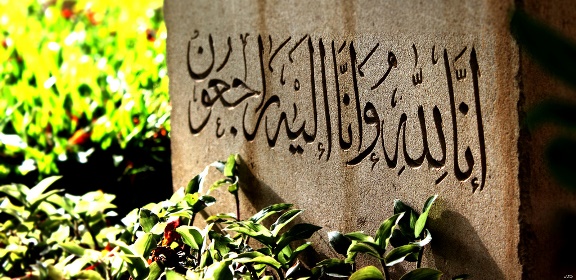
3: The headstone should be a simple one,[3] devoid of any decoration and inscription of Quranic verses, Hadeeth etc. Simply, the deceaseโ€™s full name, date of birth and date of death would suffice for identification purpose.


[Allรฃh Knows Best]

Written by (Mufti) Abdul Waheed

Answer Attested by Shaykh Mufti Saiful Islam

JKN Fatawa Department

[1] Fatฤwa Hindiyyah, Book of Karahiyyat p.404 vol 5

ู†ูŽุธูŽุฑู ุงู„ู’ู…ูŽุฑู’ุฃูŽุฉู ุฅู„ูŽู‰ ุงู„ุฑู‘ูŽุฌูู„ู ุงู„ู’ุฃูŽุฌู’ู†ูŽุจููŠู‘ู ูƒูŽู†ูŽุธูŽุฑู ุงู„ุฑู‘ูŽุฌูู„ู ุฅู„ูŽู‰ ุงู„ุฑู‘ูŽุฌูู„ู ุชูŽู†ู’ุธูุฑู ุฅู„ูŽู‰ ุฌูŽู…ููŠุนู ุฌูŽุณูŽุฏูู‡ู ุฅู„ู‘ูŽุง ู…ูŽุง ุจูŽูŠู’ู†ูŽ ุณูุฑู‘ูŽุชูู‡ู ุญูŽุชู‘ูŽู‰ ูŠูุฌูŽุงูˆูุฒูŽ ุฑููƒู’ุจูŽุชูŽู‡ูุŒ ูˆูŽู…ูŽุง ุฐูŽูƒูŽุฑู’ู†ูŽุง ู…ูู†ู’ ุงู„ู’ุฌูŽูˆูŽุงุจู ูููŠู…ูŽุง ุฅุฐูŽุง ูƒูŽุงู†ูŽุชู’ ุงู„ู’ู…ูŽุฑู’ุฃูŽุฉู ุชูŽุนู’ู„ูŽู…ู ู‚ูŽุทู’ุนู‹ุง ูˆูŽูŠูŽู‚ููŠู†ู‹ุง ุฅู†ู‘ูŽู‡ูŽุง ู„ูŽูˆู’ ู†ูŽุธูŽุฑูŽุชู’ ุฅู„ูŽู‰ ุจูŽุนู’ุถู ู…ูŽุง ุฐูŽูƒูŽุฑู’ู†ูŽุง ู…ูู†ู’ ุงู„ุฑู‘ูŽุฌูู„ู ู„ูŽุง ูŠูŽู‚ูŽุนู ูููŠ ู‚ูŽู„ู’ุจูู‡ูŽุง ุดูŽู‡ู’ูˆูŽุฉูŒุŒ ูˆูŽุฃูŽู…ู‘ูŽุง ุฅุฐูŽุง ุนูŽู„ูู…ูŽุชู’ ุฃูŽู†ู‘ูŽู‡ู ุชูŽู‚ูŽุนู ูููŠ ู‚ูŽู„ู’ุจูู‡ูŽุง ุดูŽู‡ู’ูˆูŽุฉูŒ ุฃูŽูˆู’ ุดูŽูƒู‘ูŽุชู’ ูˆูŽู…ูŽุนู’ู†ูŽู‰ ุงู„ุดู‘ูŽูƒู‘ู ุงุณู’ุชููˆูŽุงุกู ุงู„ุธู‘ูŽู†ู‘ูŽูŠู’ู†ู ููŽุฃูŽุญูŽุจู‘ู ุฅู„ูŽูŠู‘ูŽ ุฃูŽู†ู’ ุชูŽุบูุถู‘ูŽ ุจูŽุตูŽุฑูŽู‡ูŽุง ู…ูู†ู’ู‡ูุŒ

[2] Fatฤwa Hindiyyah, Book of Karahiyyat p,406, vol 5

ูˆูŽุฃูŽู…ู‘ูŽุง ุงู„ู†ู‘ูŽุธูŽุฑู ุฅู„ูŽู‰ ุงู„ู’ุฃูŽุฌู’ู†ูŽุจููŠู‘ูŽุงุชู ููŽู†ูŽู‚ููˆู„ู: ูŠูŽุฌููˆุฒู ุงู„ู†ู‘ูŽุธูŽุฑู ุฅู„ูŽู‰ ู…ูŽูˆูŽุงุถูุนู ุงู„ุฒู‘ููŠู†ูŽุฉู ุงู„ุธู‘ูŽุงู‡ูุฑูŽุฉู ู…ูู†ู’ู‡ูู†ู‘ูŽ ูˆูŽุฐูŽู„ููƒูŽ ุงู„ู’ูˆูŽุฌู’ู‡ู ูˆูŽุงู„ู’ูƒูŽูู‘ู ูููŠ ุธูŽุงู‡ูุฑู ุงู„ุฑู‘ููˆูŽุงูŠูŽุฉูุŒ ูƒูŽุฐูŽุง ูููŠ ุงู„ุฐู‘ูŽุฎููŠุฑูŽุฉู. ูˆูŽุฅูู†ู’ ุบูŽู„ูŽุจูŽ ุนูŽู„ูŽู‰ ุธูŽู†ู‘ูู‡ู ุฃูŽู†ู‘ูŽู‡ู ูŠูŽุดู’ุชูŽู‡ููŠ ููŽู‡ููˆูŽ ุญูŽุฑูŽุงู…ูŒุŒ ูƒูŽุฐูŽุง ูููŠ ุงู„ู’ูŠูŽู†ูŽุงุจููŠุนู. ุงู„ู†ู‘ูŽุธูŽุฑู ุฅู„ูŽู‰ ูˆูŽุฌู’ู‡ู ุงู„ู’ุฃูŽุฌู’ู†ูŽุจููŠู‘ูŽุฉู ุฅุฐูŽุง ู„ูŽู…ู’ ูŠูŽูƒูู†ู’ ุนูŽู†ู’ ุดูŽู‡ู’ูˆูŽุฉู ู„ูŽูŠู’ุณูŽ ุจูุญูŽุฑูŽุงู…ู ู„ูŽูƒูู†ู‘ูŽู‡ู ู…ูŽูƒู’ุฑููˆู‡ูŒุŒ ูƒูŽุฐูŽุง ูููŠ ุงู„ุณู‘ูุฑูŽุงุฌููŠู‘ูŽุฉู

[3] See Kitabul Fatawa, Shaykh Khalid Saifullah Rahmani, p. 231, vol 3

Kaffarh for Multiple Fasts Broken

Kaffarh for Multiple Fasts Broken

12th November 2013

ย 

ุงู„ุณู„ุงู… ุนู„ูŠูƒู… ูˆ ุฑุญู…ุฉ ุงู„ู„ู‡ ูˆ ุจุฑูƒุงุชู‡

ย Question: I acknowledge the ruling that when you break multiple fasts intentionally during Ramadhฤn then you must pay Kaffarah for it either by fasting sixty days consecutively or feeding sixty poor people. However, if you have missed many fasts intentionally in the month of Ramadhฤn I know that you are allowed to just fast sixty days consecutively for the whole month, rather than fast sixty days for each fast missed. What I would like to know is whether that also applies to feeding poor people too? Can I feed sixty poor people just once even though I missed many fasts when I was younger in Ramadhฤn or must I feed sixty poor people per fast I have missed? By doing that, it would prove to be almost impossible – money-wise. Fasting sixty days in a row is not impossible but at the moment I am not in a position to fast sixty days in a row as I still live at home and it would be difficult to explain to my parents or family members.

ุงู„ุฌูˆุงุจ ุญุงู…ุฏุงูŽู‹ ูˆ ู…ุตู„ูŠุงูŽู‹

In the name of Allah, the Most Gracious, the Most Merciful

ย 

Answer

In respect to the obligation of Kaffarah – legal penalty, just to clarify an important point that Kaffarah is not necessary for missing a Ramadhฤn fast even if it was intentional, rather just Qadha is necessary as well as sincere repentance as an atonement for the sin of intentionally missing a fast. Kaffarah is only necessary if a Muslim deliberately breaks a Ramadhฤn fast without a valid sharโ€™ee excuse, after making the intention to keep it, during the hours of fasting from the break of dawn (Subhu Sadiq) until sunset (time of maghrib) by eating or drinking something that is considered nourishing or by engaging in actual intimate relationship with oneโ€™s spouse.[1] In such a case, the person must make Qadha for each fast broken in addition to Kaffarah.

According to a sound hadeeth, the sequence of priority in relation to Kaffarah is to primarily emancipate a slave. If he is unable to emancipate then to observe sixty days of consecutive fasting and if unable to do so whereby all hope is lost in fasting due to some genuine reason, only then can he feed sixty poor people. This sequence of priority is compulsory.[2]

In light of the above explanation, you must now determine as to whether the ruling of Kaffarah applies to you or not. If Kaffarah does apply and you are able to fast then you must fast for sixty days consecutively. Resorting to feeding the poor is not allowed. If someone breaches a number of fasts in a single Ramadhฤn by eating or drinking intentionally then one Kaffarah would suffice regardless of how many days and Ramadhฤn months this occurred. But if it was breached intentionally through intercourse multiple times during a single Ramadhฤn then only one Kaffarah is sufficient but if this happened in two or more Ramadhฤns, then one Kaffarah per Ramadhฤn becomes necessary.[3]

ย 

[Allฤh Knows Best]

Written by (Mufti) Abdul Waheed

Answer Attested by Shaykh Mufti Saiful Islam

JKN Fatawa Department

[1] Bahrur Raโ€™iq, Chapter on those things that break the fast and those that donโ€™t, p.482, vol 2

(ู‚ูŽูˆู’ู„ูู‡ู ูˆูŽู…ูŽู†ู’ ุฌูŽุงู…ูŽุนูŽ ุฃูŽูˆู’ ุฌููˆู…ูุนูŽ ุฃูŽูˆู’ ุฃูŽูƒูŽู„ูŽ ุฃูŽูˆู’ ุดูŽุฑูุจูŽ ุนูŽู…ู’ุฏู‹ุง ุบูุฐูŽุงุกู‹ ุฃูŽูˆู’ ุฏูŽูˆูŽุงุกู‹ ู‚ูŽุถูŽู‰ ูˆูŽูƒูŽูู‘ูŽุฑูŽ ูƒูŽูƒูŽูู‘ูŽุงุฑูŽุฉู ุงู„ุธู‘ูู‡ูŽุงุฑู) ุฃูŽู…ู‘ูŽุง ุงู„ู’ู‚ูŽุถูŽุงุกู ููŽู„ูุงุณู’ุชูุฏู’ุฑูŽุงูƒู ุงู„ู’ู…ูŽุตู’ู„ูŽุญูŽุฉู ุงู„ู’ููŽุงุฆูุชูŽุฉูุŒ ูˆูŽุฃูŽู…ู‘ูŽุง ุงู„ู’ูƒูŽูู‘ูŽุงุฑูŽุฉู ููŽู„ูุชูŽูƒูŽุงู…ูู„ู ุงู„ู’ุฌูู†ูŽุงูŠูŽุฉู ุฃูŽุทู’ู„ูŽู‚ูŽู‡ู ููŽุดูŽู…ูู„ูŽ ู…ูŽุง ุฅุฐูŽุง ู„ูŽู…ู’ ูŠูู†ู’ุฒูู„ู

[2] Bahrur Raโ€™iq, Chapter on those things that break the fast and those that donโ€™t, p.484, vol 2

ูˆูŽุฃูŽููŽุงุฏูŽ ุจูุงู„ุชู‘ูŽุดู’ุจููŠู‡ู ุฃูŽู†ู‘ูŽ ู‡ูŽุฐูู‡ู ุงู„ู’ูƒูŽูู‘ูŽุงุฑูŽุฉูŽ ู…ูุฑูŽุชู‘ูŽุจูŽุฉูŒ ููŽุงู„ู’ูˆูŽุงุฌูุจู ุงู„ู’ุนูุชู’ู‚ูุŒ ููŽุฅูู†ู’ ู„ูŽู…ู’ ูŠูŽุฌูุฏู’ ููŽุนูŽู„ูŽูŠู’ู‡ู ุตููŠูŽุงู…ู ุดูŽู‡ู’ุฑูŽูŠู’ู†ู ู…ูุชูŽุชูŽุงุจูุนูŽูŠู’ู†ูุŒ ููŽุฅูู†ู’ ู„ูŽู…ู’ ูŠูŽุณู’ุชูŽุทูุนู’ ููŽุฅูุทู’ุนูŽุงู…ู ุณูุชู‘ููŠู†ูŽ ู…ูุณู’ูƒููŠู†ู‹ุง ู„ูุญูŽุฏููŠุซู ุงู„ู’ุฃูŽุนู’ุฑูŽุงุจููŠู‘ู ุงู„ู’ู…ูŽุฑู’ูˆููŠู‘ู ูููŠ ุงู„ู’ูƒูุชูุจู ุงู„ุณู‘ูุชู‘ูŽุฉู

[3] Durrul Mukhtar, Chapter on those things that break the fast and those that donโ€™t, p.391, vol 3

ูˆูŽู„ูŽูˆู’ ุชูŽูƒูŽุฑู‘ูŽุฑูŽ ููุทู’ุฑูู‡ู ูˆูŽู„ูŽู…ู’ ูŠููƒูŽูู‘ูุฑู’ ู„ูู„ู’ุฃูŽูˆู‘ูŽู„ู ูŠูŽูƒู’ูููŠู‡ ูˆูŽุงุญูุฏูŽุฉูŒ ูˆูŽู„ูŽูˆู’ ูููŠ ุฑูŽู…ูŽุถูŽุงู†ูŽูŠู’ู†ู ุนูู†ู’ุฏูŽ ู…ูุญูŽู…ู‘ูŽุฏู ูˆูŽุนูŽู„ูŽูŠู’ู‡ู ุงู„ูุงุนู’ุชูู…ูŽุงุฏู ุจูŽุฒู‘ูŽุงุฒููŠู‘ูŽุฉูŒ ูˆูŽู…ูุฌู’ุชูŽุจูŽู‰ ูˆูŽุบูŽูŠู’ุฑูู‡ูู…ูŽุง ูˆูŽุงุฎู’ุชูŽุงุฑูŽ ุจูŽุนู’ุถูู‡ูู…ู’ ู„ูู„ู’ููŽุชู’ูˆูŽู‰ ุฃูŽู†ู‘ูŽ ุงู„ู’ููุทู’ุฑูŽ ุจูุบูŽูŠู’ุฑู ุงู„ู’ุฌูู…ูŽุงุนู ุชูŽุฏูŽุงุฎูŽู„ูŽ ูˆูŽุฅูู„ู‘ูŽุง ู„ูŽุง

Lead Jumuโ€™ah Salฤh and thereafter Read Khutbah Jumuโ€™ah Elsewhere

7th November 2013

ุงู„ุณู„ุงู… ุนู„ูŠูƒู… ูˆ ุฑุญู…ุฉ ุงู„ู„ู‡ ูˆ ุจุฑูƒุงุชู‡

Question: Is it permissible for an Imam who has already prayed or led the first Jumu’ah in a Masjid, to read the Khutbah of the second Jumu’ah there?

ุงู„ุฌูˆุงุจ ุญุงู…ุฏุงูŽู‹ ูˆ ู…ุตู„ูŠุงูŽู‹

In the name of Allฤh, the Most Gracious, the Most Merciful

Answer

There are two important factors to note so to understand this matter properly. Firstly, The Jumuโ€™ah Khutbฤh followed by the two Rakโ€™ฤt Salฤh together comprises of the performance of Jumuโ€™ah. Both of their respective rulings are different. In other words, some of the essential rulings pertaining to the two Rakโ€™ฤt Salฤh do not necessarily equally apply to the Khutbฤh. What may invalidate the Salฤh will not necessarily invalidate the Khutbฤh. For instance, facing the Qiblฤh during Salฤh is essential, but not recommended for the Khateeb during the khutbah. Similarly, conversing during Salฤh invalidates the Salฤh, but not necessarily invalidates the Khutbฤh. Moreover, performing Salฤh during the state of Hadath (without wudhu) is not permissible and thus, invalidates the Salฤh, whereas to deliver the Khutbฤh in the state of Hadath does not invalidate it.[1] Thus, the rulings of the Khutbฤh and the Salฤh are different from each other although both are essential for the Jumuโ€™ah to be complete.

Secondly, according to Hanafi Jurists, it is permissible for one person to deliver the Khutbah whilst another to lead the Salฤh, though it is preferable for the same Imฤm to carry out both. It is not compulsory for the khateeb to fulfil all of the criteria of Salฤh either, so if the Imฤm appointed a minor child to deliver the Khutbah whilst the Imฤm himself lead the Salฤh then the Jumuโ€™ah is valid.[2]

That being said, if a child, in whose respect Salฤh is Nafil, delivers the Khutbฤh whilst the Imฤm leads the Salฤh will not invalidate the entire Jumuโ€™ah, then in the similar light, an Imฤm from a different Masjid who has already performed his Jumuโ€™ah Salฤh delivers the Jumuโ€™ah Khutbฤh (without leading the Salฤh) in another Masjid then that would be permissible and the Jumuโ€™ah will be valid.

ย 

[Allรฃh Knows Best]

ย 

Written by (Mufti) Abdul Waheedย ย  ย ย ย ย ย ย ย ย ย ย 

Answer Attested by Shaykh Mufti Saiful Islam

JKN Fatawa Department

[1] Al-Mabsoot Imam Sarakhsi, The conditions of Jumuโ€™ah, p.24, vol 2

(ู‚ูŽุงู„ูŽ) ุจูŽุนู’ุถู ู…ูŽุดูŽุงูŠูุฎูู†ูŽุง: ุงู„ู’ุฎูุทู’ุจูŽุฉู ุชูŽู‚ููˆู…ู ู…ูŽู‚ูŽุงู…ูŽ ุฑูŽูƒู’ุนูŽุชูŽูŠู’ู†ู ูˆูŽู„ูู‡ูŽุฐูŽุง ู„ูŽุง ุชูŽุฌููˆุฒู ุฅู„ู‘ูŽุง ุจูŽุนู’ุฏูŽ ุฏูุฎููˆู„ู ุงู„ู’ูˆูŽู‚ู’ุชู ูˆูŽุงู„ู’ุฃูŽุตูŽุญู‘ู ุฃูŽู†ู‘ูŽู‡ูŽุง ู„ูŽุง ุชูŽู‚ููˆู…ู ู…ูŽู‚ูŽุงู…ูŽ ุดูŽุทู’ุฑู ุงู„ุตู‘ูŽู„ูŽุงุฉู ููŽุฅูู†ู‘ูŽ ุงู„ู’ุฎูุทู’ุจูŽุฉูŽ ู„ูŽุง ูŠูŽุณู’ุชูŽู‚ู’ุจูู„ู ุงู„ู’ู‚ูุจู’ู„ูŽุฉูŽ ูููŠ ุฃูŽุฏูŽุงุฆูู‡ูŽุง ูˆูŽู„ูŽุง ูŠูŽู‚ู’ุทูŽุนูู‡ูŽุง ุงู„ู’ูƒูŽู„ูŽุงู…ู ูˆูŽูŠูุนู’ุชูŽุฏู‘ู ุจูู‡ูŽุง ูˆูŽุฅูู†ู’ ุฃูŽุฏู‘ูŽุงู‡ูŽุง ูˆูŽู‡ููˆูŽ ู…ูุญู’ุฏูุซูŒ ุฃูŽูˆู’ ุฌูู†ูุจูŒ ููŽุจูู‡ู ุชูŽุจูŽูŠู‘ูŽู†ูŽ ุถูŽุนู’ูู ู‚ูŽูˆู’ู„ูู‡ู ุฃูŽู†ู‘ูŽู‡ูŽุง ุจูู…ูŽู†ู’ุฒูู„ูŽุฉู ุดูŽุทู’ุฑู ุงู„ุตู‘ูŽู„ูŽุงุฉู

[2] Ibn ฤ€bideen Shami, Chapter on Jumuโ€™ah, p.190, vol 3

ูููŠ ุงู„ู’ุจูŽุญู’ุฑู ุนูŽู†ู’ ุงู„ู’ู…ูุฌู’ุชูŽุจูŽู‰ ูŠูุดู’ุชูŽุฑูŽุทู ูููŠ ุงู„ู’ุฎูŽุทููŠุจู ุฃูŽู†ู’ ูŠูŽุชูŽุฃูŽู‡ู‘ูŽู„ูŽ ู„ูู„ู’ุฅูู…ูŽุงู…ูŽุฉู ูููŠ ุงู„ู’ุฌูู…ูุนูŽุฉู ุงู‡ู€ ู„ูŽูƒูู†ู’ ุฐูŽูƒูŽุฑูŽ ู‚ูŽุจู’ู„ูŽู‡ู ู…ูŽุง ูŠูุฎูŽุงู„ูููู‡ู ุญูŽูŠู’ุซู ู‚ูŽุงู„ูŽ ูˆูŽู‚ูŽุฏู’ ุนูู„ูู…ูŽ ู…ูู†ู’ ุชูŽููŽุงุฑููŠุนูู‡ูู…ู’ ุฃูŽู†ู‘ูŽู‡ู ู„ูŽุง ูŠูุดู’ุชูŽุฑูŽุทู ูููŠ ุงู„ู’ุฅูู…ูŽุงู…ู ุฃูŽู†ู’ ูŠูŽูƒููˆู†ูŽ ู‡ููˆูŽ ุงู„ู’ุฎูŽุทููŠุจูŽ ูˆูŽู‚ูŽุฏู’ ุตูŽุฑู‘ูŽุญูŽ ูููŠ ุงู„ู’ุฎูู„ูŽุงุตูŽุฉู ุจูุฃูŽู†ู‘ูŽู‡ู ู„ูŽูˆู’ ุฎูŽุทูŽุจูŽ ุตูŽุจููŠู‘ูŒ ุจูุฅูุฐู’ู†ู ุงู„ุณู‘ูู„ู’ุทูŽุงู†ู ูˆูŽุตูŽู„ู‘ูŽู‰ ุงู„ู’ุฌูู…ูุนูŽุฉูŽ ุฑูŽุฌูู„ูŒ ุจูŽุงู„ูุบูŒ ูŠูŽุฌููˆุฒู. ูˆูŽุณูŽูŠูŽุฐู’ูƒูุฑู ุงู„ุดู‘ูŽุงุฑูุญู ุฃูŽู†ู‘ูŽ ู‡ูŽุฐูŽุง ู‡ููˆูŽ ุงู„ู’ู…ูุฎู’ุชูŽุงุฑู