Raising the Finger in the Shahadatain after Wudhu

30th April 2018

السلام عليكم ورحمة الله وبركاته 

Question: Many people raise their finger when reciting the shahadatain after completing their wudhu. Does this have any significance?


الجواب حامداً ومصلياً

In the name of Allah, the Most Gracious, the Most Merciful


Answer:

With reference to your particular case, it is not a Sunnah to raise the finger when reciting the shahdatain upon completing wudhu. The ahadith mention about looking up towards the sky when reading but do not mention raising the fingers.[1]


[Allãh Knows Best]


Written by:  Maulana Anas Mullah     Reviewed by: Mufti Abdul Waheed

Attested by: Shaykh Mufti Saiful Islam

JKN Fatawa Department


[1]  قَوْلُهُ: أَيْ بَعْدَ الْوُضُوءِ) فَسَّرَ الضَّمِيرَ بِذَلِكَ مَعَ تَبَادُرِ مَا فِي الزَّيْلَعِيِّ لِأَنَّ الْمُصَنِّفَ فِي شَرْحِهِ فَسَّرَهُ بِذَلِكَ وَهُوَ أَدْرَى بِمُرَادِهِ (قَوْلُهُ: وَأَنْ يَقُولَ بَعْدَهُ) زَادَ فِي الْمُنْيَةِ وَغَيْرِهَا أَوْ فِي خِلَالِهِ، لَكِنْ قَالَ فِي الْحِلْيَةِ: إنَّ الْوَارِدَ فِي السُّنَّةِ بَعْدَهُ مُتَّصِلًا بِمَا تَقَدَّمَ مِنْ ذِكْرِ الشَّهَادَتَيْنِ كَمَا هُوَ فِي رِوَايَةِ التِّرْمِذِيِّ. اهـ. وَزَادَ فِي الْمُنْيَةِ: وَأَنْ يَقُولَ بَعْدَ فَرَاغِهِ «سُبْحَانَك اللَّهُمَّ وَبِحَمْدِك، أَشْهَدُ أَنْ لَا إلَهَ إلَّا أَنْتَ، أَسْتَغْفِرُك وَأَتُوبُ إلَيْك، وَأَشْهَدُ أَنَّ مُحَمَّدًا عَبْدُك وَرَسُولُك نَاظِرًا إلَى السَّمَاءِ»

(رد المحتار علي الدر المختار، كتاب الطهارة، سنن الوضوء، جلد ١، ص١٢٨)


وَأَنْ تَقُولَ: بَعْدَ الْفَرَاغِ مِنْ الْوُضُوءِ سُبْحَانَك اللَّهُمَّ وَبِحَمَدِك أَشْهَدُ أَنْ لَا إلَهَ إلَّا أَنْتَ أَسْتَغْفِرُك وَأَتُوبُ إلَيْك وَأَشْهَدُ أَنْ لَا إلَهَ إلَّا اللَّهُ وَأَشْهَدُ أَنَّ مُحَمَّدًا عَبْدُهُ وَرَسُولُهُ وَأَنْ لَا يَمْسَحَ سَائِرَ أَعْضَائِهِ بِالْخِرْقَةِ الَّتِي يَمْسَحُ بِهَا مَوْضِعَ الِاسْتِنْجَاءِ، وَأَنْ يَسْتَقْبِلَ الْقِبْلَةَ عِنْدَ الْوُضُوءِ بَعْدَ الْفَرَاغِ مِنْ الِاسْتِنْجَاءِ، وَأَنْ يَقُولَ بَعْدَ الْفَرَاغِ مِنْ الْوُضُوءِ أَوْ فِي خِلَالِ الْوُضُوءِ: اللَّهُمَّ اجْعَلْنِي مِنْ التَّوَّابِينَ وَاجْعَلْنِي مِنْ الْمُتَطَهِّرِينَ، وَأَنْ يُصَلِّيَ رَكْعَتَيْنِ بَعْدَ الْفَرَاغِ مِنْ الْوُضُوءِ

(الفتاوي الهندية، كتاب الطهارة، الفصل الثالث في المستحبات، جلد ١، ص ٨)


وَمِنْهَا) : أَنْ يَدْعُوَ عِنْدَ كُلِّ فِعْلٍ مِنْ أَفْعَالِ الْوُضُوءِ بِالدَّعَوَاتِ الْمَأْثُورَةِ الْمَعْرُوفَةِ، وَأَنْ يَشْرَبَ فَضْلَ وُضُوئِهِ قَائِمًا، إذَا لَمْ يَكُنْ صَائِمًا، ثُمَّ يَسْتَقْبِلَ الْقِبْلَةَ، وَيَقُولَ: أَشْهَدُ أَنْ لَا إلَهَ إلَّا اللَّهُ، وَأَشْهَدُ أَنَّ مُحَمَّدًا رَسُولُ اللَّهِ،

(بدائع الصنائع في ترتيب الشرائع، كتاب الطهارة، فصل آداب الوضوء، جلد١، ص٢٣)

 

Performing Masah of the Nape

Performing Masah of the Nape

30th April 2018

السلام عليكم ورحمة الله وبركاته 

Question: Is there any evidence of performing masah of the nape in wudhu?


الجواب حامداً ومصلياً

In the name of Allah, the Most Gracious, the Most Merciful


Answer: 

Thank you for your query. The masah of the nape is reported from the Noble Prophet sallallahu alayhi wasallam which the classical scholars have accepted. The most correct view is that it is mustahab (desirable) to do so.[1]


[Allãh Knows Best]


Written by:  Maulana Anas Mullah      Reviewed by:  Mufti Abdul Waheed

Attested by: Shaykh Mufti Saiful Islam

 JKN Fatawa Department


قَوْلُهُ: وَمَسَحَ رَقَبَتَهُ) يَعْنِي بِظَهْرِ الْيَدَيْنِ لِعَدَمِ اسْتِعْمَالِ بِلَّتِهِمَا، وَقَدْ اُخْتُلِفَ فِيهِ فَقِيلَ بِدْعَةٌ وَقِيلَ سُنَّةٌ، وَهُوَ قَوْلُ الْفَقِيهِ أَبِي جَعْفَرٍ وَبِهِ أَخَذَ كَثِيرٌ مِنْ الْعُلَمَاءِ كَذَا فِي شَرْحِ مِسْكِينٍ، وَفِي الْخُلَاصَةِ الصَّحِيحُ أَنَّهُ أَدَبٌ، وَهُوَ بِمَعْنَى الْمُسْتَحَبِّ كَمَا قَدَّمْنَاهُ، وَأَمَّا مَسْحُ الْحُلْقُومِ فَبِدْعَةٌ وَاسْتَدَلَّ فِي فَتْحِ الْقَدِيرِ عَلَى اسْتِحْبَابِ مَسْحِ الرَّقَبَةِ «أَنَّهُعَلَيْهِ السَّلَامُمَسَحَ ظَاهِرَ رَقَبَتِهِ مَعَ مَسْحِ الرَّأْسِ» فَانْدَفَعَ بِهِ قَوْلُ مَنْ زَعَمَ أَنَّهُ بِدْعَةٌ،

(البحر الرائق، كتاب الطهارة، سنن الوضوء، جلد١، ص٥٦، دار الكتب العلمية)


.وَالثَّانِي مَسْحُ الرَّقَبَةِ) وَهُوَ بِظَهْرِ الْيَدَيْنِ وَأَمَّا مَسْحُ الْحُلْقُومِ فَبِدْعَةٌ. كَذَا فِي الْبَحْرِ الرَّائِقِ

(الفتاوي الهندية، كتاب الطهارة، الفصل الثالث في المستحبات، جلد ١، ص ٨)


مَطْلَبُ مَسْحِ الرَّقَبَةِ (وَأَمَّا) مَسْحُ الرَّقَبَةِ فَقَدْ اخْتَلَفَ الْمَشَايِخُ فِيهِ، قَالَ أَبُو بَكْرٍ الْأَعْمَشُ: إنَّهُ سُنَّةٌ وَقَالَ أَبُو بَكْرٍ الْإِسْكَافُ إنَّهُ أَدَ

(بدائع الصنائع في ترتيب الشرائع، كتاب الطهارة، فصل آداب الوضوء، جلد١، ص٢٣)[1]

Ghusl with Lipstick

30th April 2018 

السلام عليكم ورحمة الله وبركاته 

Question:

If a woman does not remove her lipstick for a Fardh Ghusl, will the ghusl be valid?


الجواب حامداً ومصلياً

In the name of Allah, the Most Gracious, the Most Merciful

Answer:

Thank you for your above question, with reference to your particular case if a woman does not remove her lipstick, her ghusl will not be completed, as water has to reach all body parts for ghusl to be completed. Lipstick is impermeable and forms a thick layer over the lips which does not allow water to reach the lips, therefore the lips will remain unwashed hence ghusl not done.[1]

[Allãh Knows Best]

Written by:  Apa Sajeda      Reviewed by: Mufti Abdul Waheed

Attested by: Shaykh Mufti Saiful Islam

JKN Fatawa Department

[1]  )الْبَابُ الثَّانِي فِي الْغُسْلِ) (وَفِيهِ ثَلَاثَةُ فُصُولٍ) (الْفَصْلُ الْأَوَّلُ فِي فَرَائِضِهِ) وَهِيَ ثَلَاثَةٌ: الْمَضْمَضَةُ، وَالِاسْتِنْشَاقُ، وَغَسْلُ جَمِيعِ الْبَدَنِ

وَإِنْ كَانَ عَلَى ظَاهِرِ بَدَنِهِ جِلْدُ سَمَكٍ أَوْ خُبْزٌ مَمْضُوغٌ قَدْ جَفَّ فَاغْتَسَلَ وَلَمْ يَصِلْ الْمَاءُ إلَى مَا تَحْتَهُ لَا يَجُوزُ

  Al Fatawa al Hindiyya ,Kitab al-tahara , Baab al-ghusl . v1 pg. 16

 )قَوْلُهُ: وَفَرْضُ الْغُسْلِ غَسْلُ فَمِهِ وَأَنْفَهُ وَبَدَنِهِ(

وَأَمَّا رُكْنُهُ فَهُوَ إسَالَةُ الْمَاءِ عَلَى جَمِيعِ مَا يُمْكِنُ إسَالَتُهُ عَلَيْهِ مِنْ الْبَدَنِ مِنْ غَيْرِ حَرَجٍ مَرَّةً وَاحِدَةً حَتَّى لَوْ بَقِيَتْ لُمْعَةٌ لَمْ يُصِبْهَا الْمَاءُ لَمْ يَجُزْ الْغُسْلُ،

  Al Bahr al Raiq ,Kitab al-tahara , Ahkaam al-ghusl . V1 pg. 48-49

)وَأَمَّا) رُكْنُهُ فَهُوَ إسَالَةُ الْمَاءِ عَلَى جَمِيعِ مَا يُمْكِنُ إسَالَتُهُ عَلَيْهِ مِنْ الْبَدَنِ مِنْ غَيْرِ حَرَجٍ مَرَّةً وَاحِدَةً حَتَّى لَوْ بَقِيَتْ لُمْعَةٌ لَمْ يُصِبْهَا الْمَاءُ لَمْ يَجُزْ الْغُسْلُ،

  Bada’ia al Sana’ia ,Kitab al-tahara , Fasl al-ghusl . V1 pg. 34

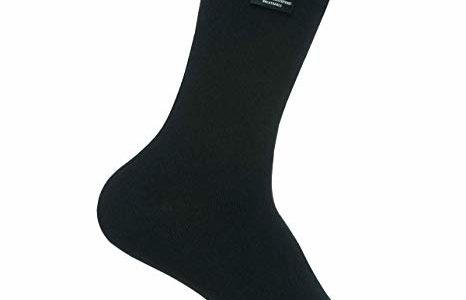
Wiping over Durable Wudhu Socks

Wiping over Durable Wudhu Socks

25th April 2018             

السلام عليكم و رحمة الله و بركاته

Question: Certain socks have been manufactured which are claimed to be durable and fully waterproof. This is due to the fact that it has multiple layers of skins. Is it permissible to make Masah over such socks during Wudhu?

الجواب حامداً و مصلياً

In the name of Allāh, the Most Gracious, the Most Merciful

Answer

The classical fuqahā (jurists) have outlined the following basic criteria for the permissibility of wiping wet hands over non-leather socks;

  1. Should cover the ankles
  2. Remain firm onto the foreleg without the need of tying it
  3. Durable enough to walk in them between 1-3 miles
  4. Water is not penetrable into the socks
  5. Not torn to the extent of three small toes
  6. To be worn after completing the wudhu or at least washing the feet

From personal experience and discussion with other senior scholars, the durable wudhu socks you are referring to fulfil the above criteria thus, Masah over them is permissible.

[Allãh Knows Best]

Written by (Mufti) Abdul Waheed

Answer Attested by Shaykh Mufti Saiful Islam

JKN Fatawa Department

Using Stoma Bag and Purity

29th May 2015                                                                       

السلام عليكم و رحمة الله و بركاته

Question: My question is regarding people who use a stoma bag due to which their excretion is collected in an external bag that is attached to them. They have no control over their excretion as to when it comes out. Many times it is not even known that something has come out. The actual bag is very durable not emitting any smell and there’s a very low chance of it ripping. Usually, it has a small vent which lets out the air/gas from the bag. The vent lets out a minimal amount of air/gas which is not felt nor smelt. Some people have a permanent stoma and others have a temporary one (it can be reversed by operation) my question is;

  1. Would this person be classed as an excused person (ma’zur) or would he treat the bag like an internal organ?
  2. Is this person allowed in the masjid?

الجواب حامداً و مصلياً

In the name of Allāh, the Most Gracious, the Most Merciful

Answer

  1. In principle, the stoma bag will be treated as something external to the body like any other bag attached to the body wherein stool is collected. This is based on it being detachable from the body requiring no surgical operation. You stated that a person with a stoma bag has no control over his excretion, suggesting that it proves difficult to know when one’s excrement passes into the bag. If it is continuous, allowing very little time for wudhu and Salāh [even the Fardh only] then the laws of Ma’zoor can be considered otherwise not. For the purpose of clarity, a Shar’ee Ma’zoor (genuinely excused) is that individual who suffers from the continuous discharge of stool, urine, blood or any other breakers of wudhu. The condition is that the continuous discharge during the first time around must encompass an entire Fardh Salāh time, not allowing sufficient time to perform wudhu and Salāh. If this happens, then one qualifies as a Ma’zoor. One remains a Ma’zoor even if the discharge occurs only once in every subsequent Fardh Salāh time and not continuous as formerly as long as it transpires from the same illness.[1] A Ma’zoor person must perform wudhu once before every Fardh Salāh time. During then he can perform as many Salāhs as he wishes with this same wudhu until its end time provided that no other factors breaching the wudhu occurs. The wudhu remains intact and then automatically breaks upon the expiry of every Fardh Salāh time due to the discharge, which by then wudhu must be renewed for the next Salāh.[2] Once this is clear then you must assess whether this is the case with yourself and if so then the laws of Ma’zoor would apply to you otherwise not. Your overwhelming conjecture (ghalib Zann) on this matter is sufficient to determine your condition. Another Mas’alah that affects your condition is the issue of carrying Najasat during Salāh. The Hanafi Fuqaha (jurists) have rendered the Salāh invalid if a person carries impurity (because it being similar to clothes stained with Najis) whilst performing Salāh, provided it is bigger than the quantity of a Dirham (e.g. £2 coin or so).[3] In your case, however, if the continuous excretion doesn’t allow you sufficient time to empty the excrement or replace the bag before making wudhu and perform Salāh then you can perform your Salāh in this state and empty the bag when necessary otherwise, the excretion collected must be removed before reading Salāh.[4] It must be made clear that a Ma’zoor person cannot lead others in prayer due to his illness.
  2. Yes, it is permissible to enter the Masjid. However, care must be taken that the Masjid is not soiled such as unnoticed leakage.


[Allãh Knows Best]

Written by (Mufti) Abdul Waheed

Answer Attested by Shaykh Mufti Saiful Islam

JKN Fatawa Department

[1] Durrul Mukhtar Kitabut Tahārat, matlab fi Ahkāmil Ma’zoor, p.45

(وَصَاحِبُ عُذْرٍ مَنْ بِهِ سَلَسٌ) بَوْلٍ لَا يُمْكِنُهُ إمْسَاكُهُ (أَوْ اسْتِطْلَاقُ بَطْنٍ أَوْ انْفِلَاتُ رِيحٍ أَوْ اسْتِحَاضَةٌ) أَوْ بِعَيْنِهِ رَمَدٌ أَوْ عَمَشٌ أَوْ غَرَبٌ، وَكَذَا كُلُّ مَا يَخْرُجُ بِوَجَعٍ وَلَوْ مِنْ أُذُنٍ وَثَدْيٍ وَسُرَّةٍ (إنْ اسْتَوْعَبَ عُذْرُهُ تَمَامَ وَقْتِ صَلَاةٍ مَفْرُوضَةٍ) بِأَنْ لَا يَجِدَ فِي جَمِيعِ وَقْتِهَا زَمَنًا يَتَوَضَّأُ وَيُصَلِّي فِيهِ خَالِيًا عَنْ الْحَدَثِ (وَلَوْ حُكْمًا) لِأَنَّ الِانْقِطَاعَ الْيَسِيرَ مُلْحَقٌ بِالْعَدَمِ (وَهَذَا شَرْطُ) الْعُذْرِ (فِي حَقِّ الِابْتِدَاءِ، وَفِي) حَقِّ (الْبَقَاءِ كَفَى وُجُودُهُ فِي جُزْءٍ مِنْ الْوَقْتِ) وَلَوْ مَرَّةً (وَفِي) حَقِّ الزَّوَالِ يُشْتَرَطُ (اسْتِيعَابُ الِانْقِطَاعِ) تَمَامَ الْوَقْتِ (حَقِيقَةً) لِأَنَّهُ الِانْقِطَاعُ الْكَامِلُ

[2] Ibid

(وَحُكْمُهُ الْوُضُوءُ) لَا غَسْلُ ثَوْبِهِ وَنَحْوِهِ (لِكُلِّ فَرْضٍ) اللَّامُ لِلْوَقْتِ كَمَا فِي – {لِدُلُوكِ الشَّمْسِ} [الإسراء: 78]- (ثُمَّ يُصَلِّي) بِهِ (فِيهِ فَرْضًا وَنَفْلًا) فَدَخَلَ الْوَاجِبُ بِالْأَوْلَى (فَإِذَا خَرَجَ الْوَقْتُ بَطَلَ) أَيْ: ظَهَرَ حَدَثُهُ السَّابِقُ

[3] Durrul Mukhtaar & Ibn Abideen ash-Shaami Book of Salāh, baab Shuroot as-Salāh,p.73-74 vol 2

(وَخَبَثٍ) مَانِعٍ كَذَلِكَ (وَثَوْبِهِ) وَكَذَا مَا يَتَحَرَّك بِحَرَكَتِهِ أَوْ يُعَدُّ حَامِلًا لَهُ

(قَوْلُهُ وَكَذَا مَا) أَيْ شَيْءٌ مُتَّصِلٌ بِهِ يَتَحَرَّكُ بِحَرَكَتِهِ كَمِنْدِيلٍ طَرَفُهُ عَلَى عُنُقِهِ وَفِي الْآخَرِ نَجَاسَةٌ مَانِعَةٌ إنْ تَحَرَّكَ مَوْضِعُ النَّجَاسَةِ بِحَرَكَاتِ الصَّلَاةِ مَنَعَ وَإِلَّا لَا

[4] Durrul Mukhtaar p. 506 vol 1

(وَإِنْ سَالَ عَلَى ثَوْبِهِ) فَوْقَ الدِّرْهَمِ (جَازَ لَهُ أَنْ لَا يَغْسِلَهُ إنْ كَانَ لَوْ غَسَلَهُ تَنَجَّسَ قَبْلَ الْفَرَاغِ مِنْهَا) أَيْ: الصَّلَاةِ (وَإِلَّا) يَتَنَجَّسْ قَبْلَ فَرَاغِهِ (فَلَا) يَجُوزُ تَرْكُ غَسْلِهِ، هُوَ الْمُخْتَارُ لِلْفَتْوَى

Dry Cleaners

23rd March 2015

السلام عليكم و رحمة الله و بركاته

Question:  Does dry cleaning procedure purify impure stains on the clothes?

الجواب حامداً و مصلياً

In the name of Allāh, the Most Gracious, the Most Merciful

Answer

In reference to your query, dry cleaning is a process of cleaning clothes through the use of chemical detergents known as solvents before drying. In dry cleaning, giving the apparent impression of no usage of any liquid, clothes are actually washed in solvent liquid before being jet steamed or pressed with an iron. The dry cleaning method is used to clean delicate fabrics clothes that are unable to withstand normal washing machines that could potentially damage the clothes. The procedure is that dry cleaners place the clothes into a huge rotating dry cleaning drum (similar but bigger than the standard washing machine). Solvent chemicals are then added in which the clothes are washed to a certain temperature. During the process, the solvent passes through a filtering tank and then poured back into the drum for distillation to remove any impurities on the clothes. After the washing cycle, the clothes are then dried in the same chamber before they are taken out and thereafter, steamed and pressed. The solvent is recycled and refined before every wash of new batch of clothes.

From the Islamic viewpoint, to use anything that is pure and has the capacity to remove impurity from the clothes whether it is water or any other liquid substance is permissible. The jurists state a person’s clothes becomes pure if he uses vinegar to remove an impure stain because it is a detergent substance.[1] The similar case can be applied to the solvent chemicals used in dry cleaning also in that, the clothes become pure if the effect of the impure stain, i.e. colour or smell, don’t remain on to the clothes.                

 [Allãh Knows Best]

Written by (Mufti) Abdul Waheed

Answer Attested by Shaykh Mufti Saiful Islam

JKN Fatawa Department

[1] Haskafi, Durrul Mukhtar Kitabut Taharat, Babul Anjas p. 46

يَجُوزُ رَفْعُ نَجَاسَةٍ حَقِيقِيَّةٍ عَنْ مَحَلِّهَا) وَلَوْ إنَاءً أَوْ مَأْكُولًا عُلِمَ مَحَلُّهَا أَوْ لَا (بِمَاءٍ لَوْ مُسْتَعْمَلًا) بِهِ يُفْتَى (وَبِكُلِّ مَائِعٍ طَاهِرٍ قَالِعٍ) لِلنَّجَاسَةِ يَنْعَصِرُ بِالْعَصْرِ (كَخَلٍّ وَمَاءِ وَرْدٍ) حَتَّى الرِّيقُ

Ibn Nujaym, Bahr Raiq Kitabut Taharat, Babul Anjas, vol 1, p.384

(قَوْلُهُ: وَبِمَائِعٍ مُزِيلٍ كَالْخَلِّ وَمَاءِ الْوَرْدِ) قِيَاسًا عَلَى إزَالَتِهَا بِالْمَاءِ بِنَاءً عَلَى أَنَّ الطَّهَارَةَ بِالْمَاءِ مَعْلُولَةٌ بِعِلَّةِ كَوْنِهِ قَالِعًا لِتِلْكَ النَّجَاسَةِ وَالْمَائِعُ قَالِعٌ فَهُوَ مُحَصِّلُ ذَلِكَ الْمَقْصُودِ فَتَحْصُلُ بِهِ الطَّهَارَةُ